
Positioning Charts
Positioning Charts - Marketing positioning is the process of establishing a clear and distinctive image of a product or service in the minds of consumers. Positioning in marketing is a crucial concept that allows brands to create a distinct image in the minds of consumers. It aims to differentiate the offering from competitors by emphasizing key. Positioning is a strategy used to create a distinct identity for a product or service in the minds of potential customers. Positioning refers to the place that a brand occupies in the minds of customers and how it is distinguished from the products of the competitors. Positioning is the process of creating a distinct mental position or image of a product or a service in the mind of the customers as compared to other brands in the market. Market positioning refers to the ability to influence consumer perception regarding a brand or product relative to competitors. It involves defining the unique attributes. It is different from the concept of brand. The goal of a positioning strategy is to influence consumer perception by effectively communicating a brand’s competitive advantage. Positioning is the process of creating a distinct mental position or image of a product or a service in the mind of the customers as compared to other brands in the market. Learn how to improve your positioning in marketing. We cover the benefits of positioning, types of positioning, examples, how to create a positioning strategy. The goal of a positioning strategy is to influence consumer perception by effectively communicating a brand’s competitive advantage. At its core, positioning in marketing is about perception—how your brand, product, or service is viewed in the minds of your target audience. It involves defining the unique attributes. The concept of positioning rose in. This article provides an overview of five different positioning strategies for your company to consider, as well as provides tips for developing your positioning strategy, and. Market positioning refers to the ability to influence consumer perception regarding a brand or product relative to competitors. Positioning refers to the place that a brand occupies in the minds of customers and how it is distinguished from the products of the competitors. Marketing positioning is the process of establishing a clear and distinctive image of a product or service in the minds of consumers. The concept of positioning rose in. This comprehensive guide aims to demystify positioning, highlighting its. Positioning is the process of creating a distinct mental position or image of a product or a service in the mind of the. Positioning refers to the place that a brand occupies in the minds of customers and how it is distinguished from the products of the competitors. Positioning is a strategy used to create a distinct identity for a product or service in the minds of potential customers. Positioning is the process of creating a distinct mental position or image of a. It is different from the concept of brand. Positioning in marketing is a crucial concept that allows brands to create a distinct image in the minds of consumers. Positioning is the process of creating a distinct mental position or image of a product or a service in the mind of the customers as compared to other brands in the market.. At its core, positioning in marketing is about perception—how your brand, product, or service is viewed in the minds of your target audience. It aims to differentiate the offering from competitors by emphasizing key. Positioning refers to the place that a brand occupies in the minds of customers and how it is distinguished from the products of the competitors. Positioning. It aims to differentiate the offering from competitors by emphasizing key. The goal of a positioning strategy is to influence consumer perception by effectively communicating a brand’s competitive advantage. Positioning in marketing is a crucial concept that allows brands to create a distinct image in the minds of consumers. Positioning refers to the place that a brand occupies in the. Positioning refers to the place that a brand occupies in the minds of customers and how it is distinguished from the products of the competitors. Market positioning refers to the ability to influence consumer perception regarding a brand or product relative to competitors. The concept of positioning rose in. It is different from the concept of brand. This article provides. At its core, positioning in marketing is about perception—how your brand, product, or service is viewed in the minds of your target audience. Marketing positioning is the process of establishing a clear and distinctive image of a product or service in the minds of consumers. Positioning is the process of creating a distinct mental position or image of a product. It aims to differentiate the offering from competitors by emphasizing key. Marketing positioning is the process of establishing a clear and distinctive image of a product or service in the minds of consumers. Positioning in marketing is a crucial concept that allows brands to create a distinct image in the minds of consumers. At its core, positioning in marketing is. The goal of a positioning strategy is to influence consumer perception by effectively communicating a brand’s competitive advantage. Positioning is the process of creating a distinct mental position or image of a product or a service in the mind of the customers as compared to other brands in the market. Marketing positioning is the process of establishing a clear and. This article provides an overview of five different positioning strategies for your company to consider, as well as provides tips for developing your positioning strategy, and. The concept of positioning rose in. At its core, positioning in marketing is about perception—how your brand, product, or service is viewed in the minds of your target audience. We cover the benefits of. Positioning is the process of creating a distinct mental position or image of a product or a service in the mind of the customers as compared to other brands in the market. Positioning is a strategy used to create a distinct identity for a product or service in the minds of potential customers. It aims to differentiate the offering from competitors by emphasizing key. It goes beyond the tangible features. The goal of a positioning strategy is to influence consumer perception by effectively communicating a brand’s competitive advantage. This article provides an overview of five different positioning strategies for your company to consider, as well as provides tips for developing your positioning strategy, and. Learn how to improve your positioning in marketing. This comprehensive guide aims to demystify positioning, highlighting its. At its core, positioning in marketing is about perception—how your brand, product, or service is viewed in the minds of your target audience. Positioning in marketing is a crucial concept that allows brands to create a distinct image in the minds of consumers. Positioning refers to the place that a brand occupies in the minds of customers and how it is distinguished from the products of the competitors. It is different from the concept of brand. It involves defining the unique attributes.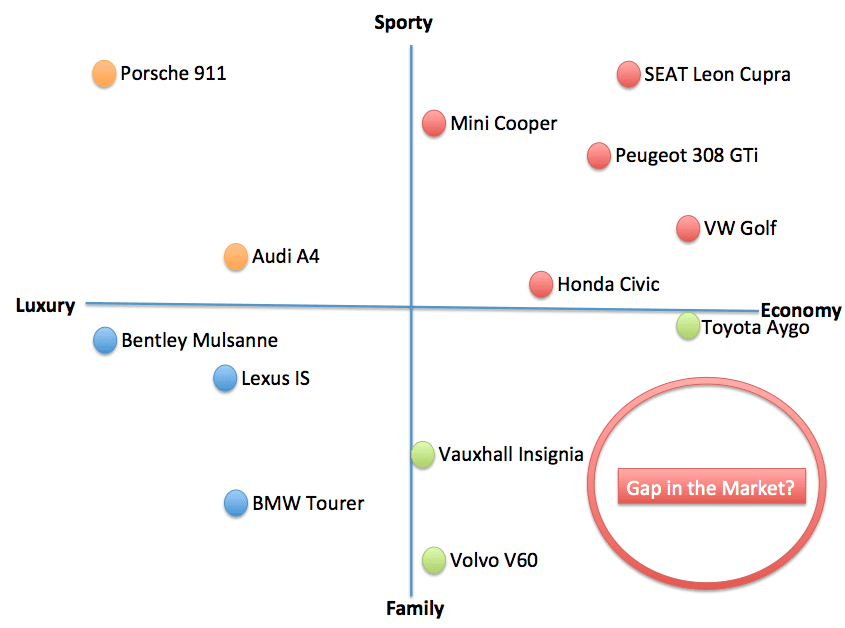
Positioning Map Template
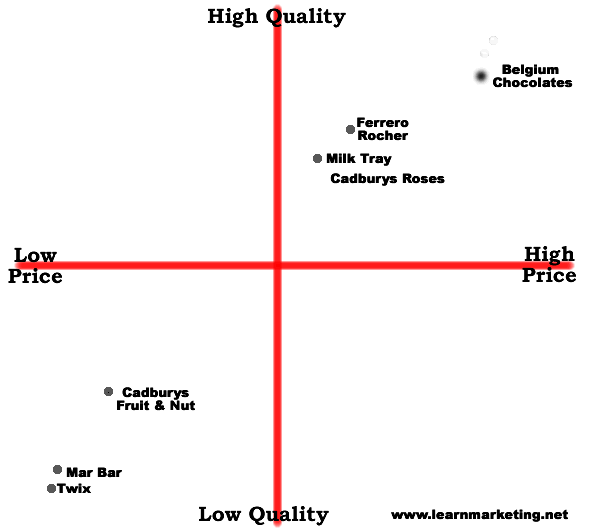
Positioning Chart Marketing A Visual Reference of Charts Chart Master
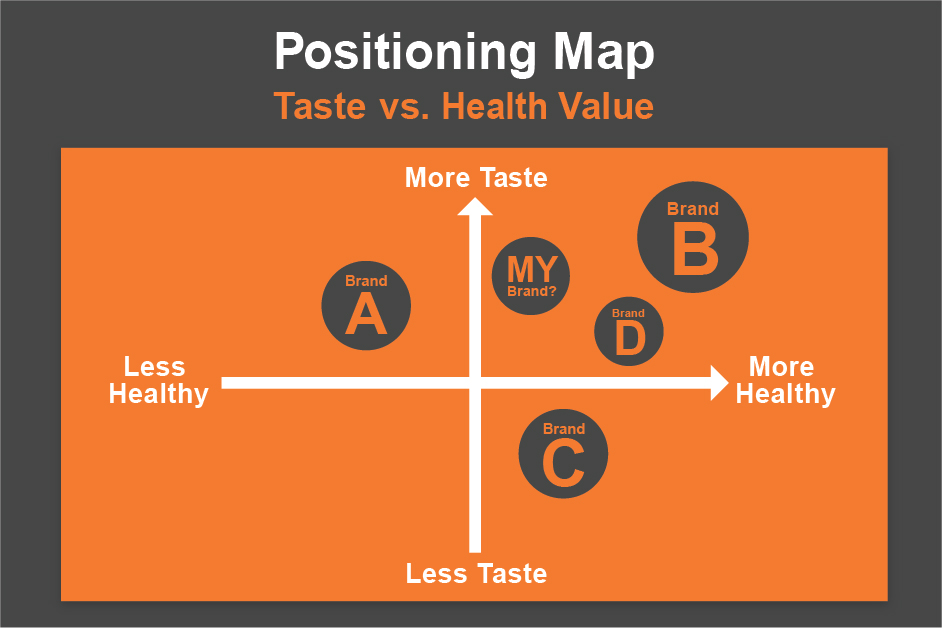
Positioning Map Can Reveal Your Competitive Advantage » Innis Maggiore
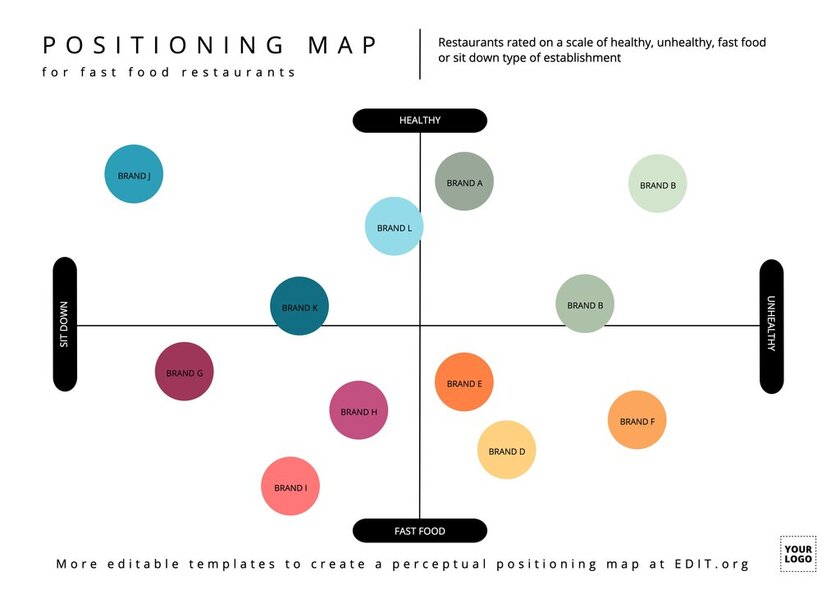
Editable templates to create a perceptual positioning map
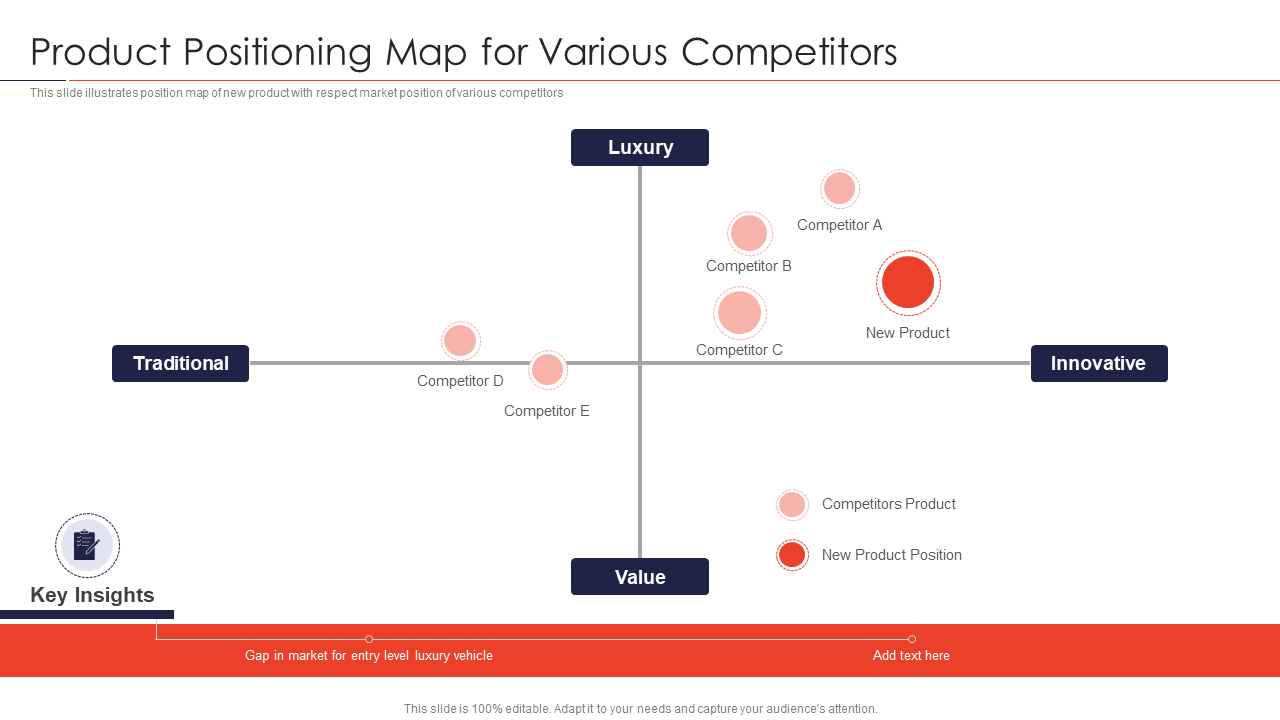
Top 10 Product Positioning Map Templates with Samples and Examples
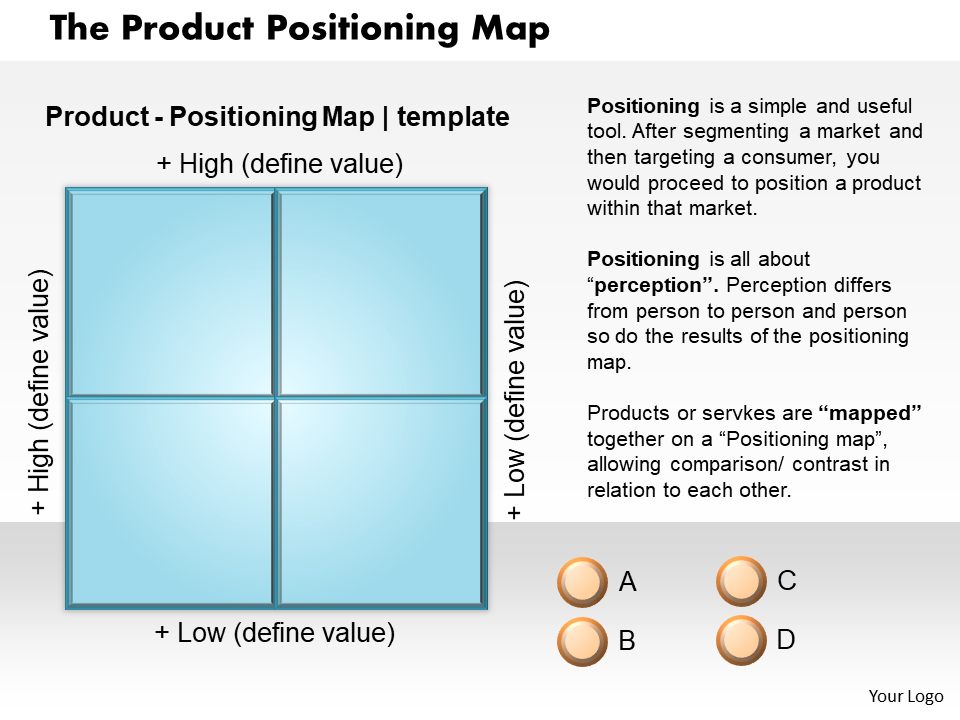
Top 10 Product Positioning Map Templates with Samples and Examples

Top 10 Product Positioning Map Templates with Samples and Examples
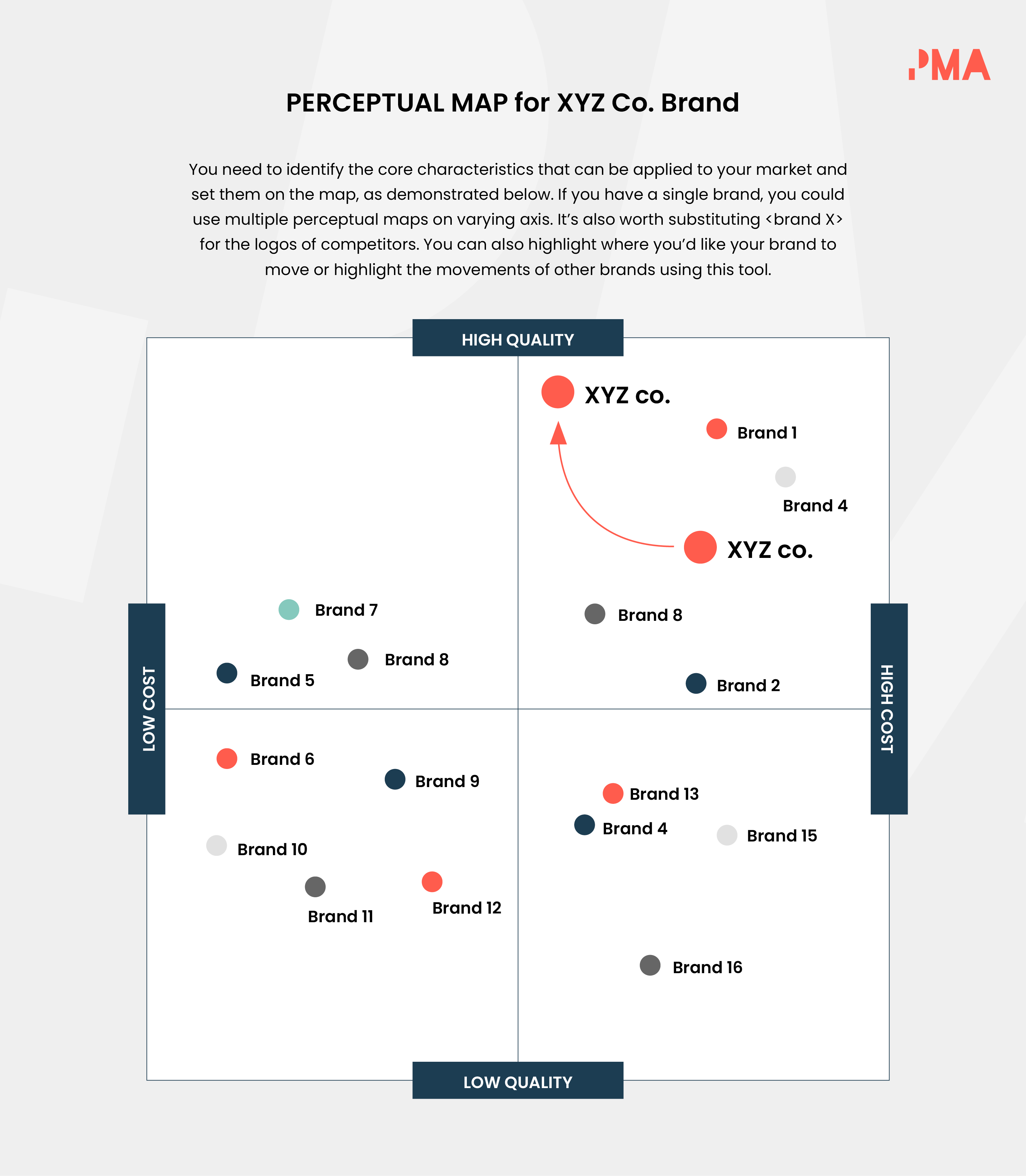
Global Positioning Map

Brand Positioning How to Build a Winning Strategy
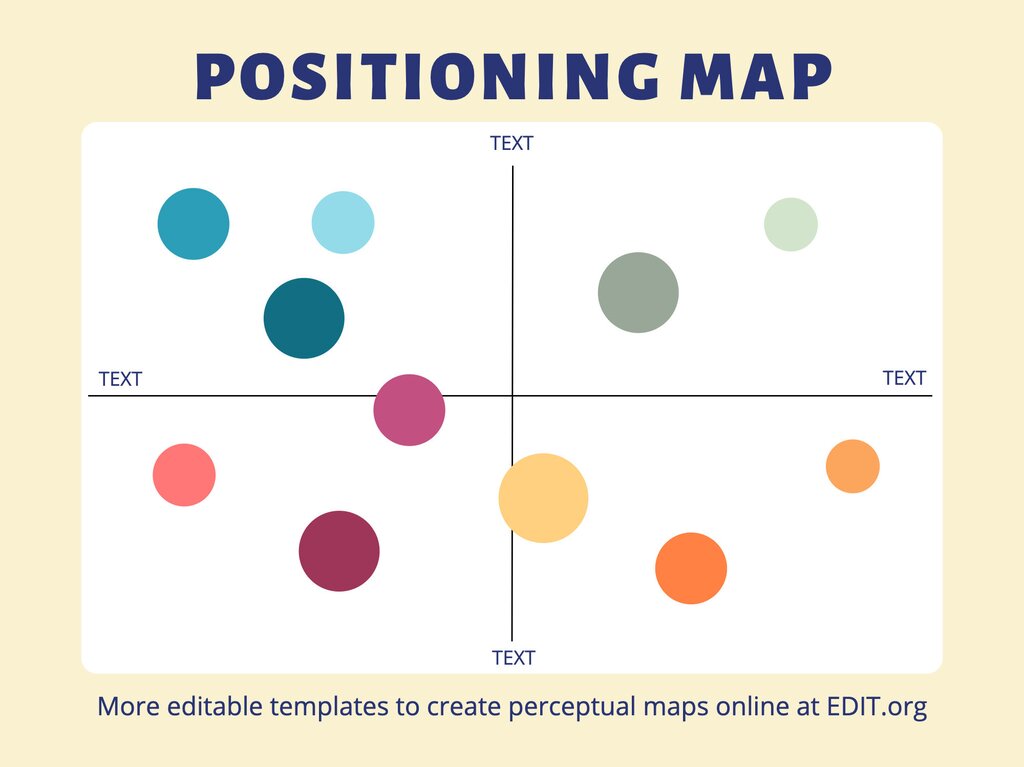
Positioning Map Marketing Template
Market Positioning Refers To The Ability To Influence Consumer Perception Regarding A Brand Or Product Relative To Competitors.
We Cover The Benefits Of Positioning, Types Of Positioning, Examples, How To Create A Positioning Strategy.
The Concept Of Positioning Rose In.
Marketing Positioning Is The Process Of Establishing A Clear And Distinctive Image Of A Product Or Service In The Minds Of Consumers.
Related Post: