
Our Favorite People Seating Chart
Our Favorite People Seating Chart - We use pronouns to refer to possession and ‘belonging’. Our parents are good to us. Our nearest planet is venus. It suggests a sense of belonging. Of, belonging to, or associated in some way with us: Our is a possessive pronoun used to indicate ownership or association with a group of people that includes the speaker and one or more other individuals. Belonging to or associated with all people or people in general: Of, belonging to, made by, or done by us. You use our to indicate that something belongs or relates both to yourself and to one or more other people. Possessive pronouns and possessive determiners. Of, belonging to, or associated in some way with us: We use pronouns to refer to possession and ‘belonging’. We use possessive determiners before a noun. We're expecting our first baby. Of, belonging to, made by, or done by us. You use our to indicate that something belongs or relates both to yourself and to one or more other people. Our is a possessive pronoun used to indicate ownership or association with a group of people that includes the speaker and one or more other individuals. (northern england, scotland) used before a person's. The meaning of our is of or relating to us or ourselves or ourself especially as possessors or possessor, agents or agent, or objects or object of an action. Our nearest planet is venus. Our nearest planet is venus. Possessive pronouns and possessive determiners. How to use our in a sentence. (northern england, scotland) used before a person's. Of, from, or belonging to the nation, region, or language of the speaker. Belonging to or associated with all people or people in general: The meaning of our is of or relating to us or ourselves or ourself especially as possessors or possessor, agents or agent, or objects or object of an action. Our nearest planet is venus. (northern england, scotland) used before a person's. We're expecting our first baby. We use possessive determiners before a noun. Of, belonging to, made by, or done by us. The meaning of our is of or relating to us or ourselves or ourself especially as possessors or possessor, agents or agent, or objects or object of an action. How to use our in a sentence. Of, from, or belonging to the nation, region,. Of, belonging to, or associated in some way with us: Our is a possessive pronoun used to indicate ownership or association with a group of people that includes the speaker and one or more other individuals. We use pronouns to refer to possession and ‘belonging’. Of, from, or belonging to the nation, region, or language of the speaker. The meaning. How to use our in a sentence. You use our to indicate that something belongs or relates both to yourself and to one or more other people. The meaning of our is of or relating to us or ourselves or ourself especially as possessors or possessor, agents or agent, or objects or object of an action. It suggests a sense. We use possessive determiners before a noun. Of, belonging to, or associated in some way with us: We use pronouns to refer to possession and ‘belonging’. How to use our in a sentence. You use our to indicate that something belongs or relates both to yourself and to one or more other people. Of, from, or belonging to the nation, region, or language of the speaker. The meaning of our is of or relating to us or ourselves or ourself especially as possessors or possessor, agents or agent, or objects or object of an action. Possessive pronouns and possessive determiners. Our is a possessive pronoun used to indicate ownership or association with a. We use possessive determiners before a noun. Of, from, or belonging to the nation, region, or language of the speaker. (northern england, scotland) used before a person's. It suggests a sense of belonging. We're expecting our first baby. Belonging to or associated with all people or people in general: How to use our in a sentence. Possessive pronouns and possessive determiners. Of, from, or belonging to the nation, region, or language of the speaker. We're expecting our first baby. How to use our in a sentence. You use our to indicate that something belongs or relates both to yourself and to one or more other people. Our parents are good to us. Possessive pronouns and possessive determiners. (northern england, scotland) used before a person's. It suggests a sense of belonging. (northern england, scotland) used before a person's. You use our to indicate that something belongs or relates both to yourself and to one or more other people. Our parents are good to us. Of, belonging to, or associated in some way with us: Of, belonging to, made by, or done by us. How to use our in a sentence. Our is a possessive pronoun used to indicate ownership or association with a group of people that includes the speaker and one or more other individuals. Belonging to or associated with all people or people in general: We use possessive determiners before a noun. We're expecting our first baby. Of, from, or belonging to the nation, region, or language of the speaker.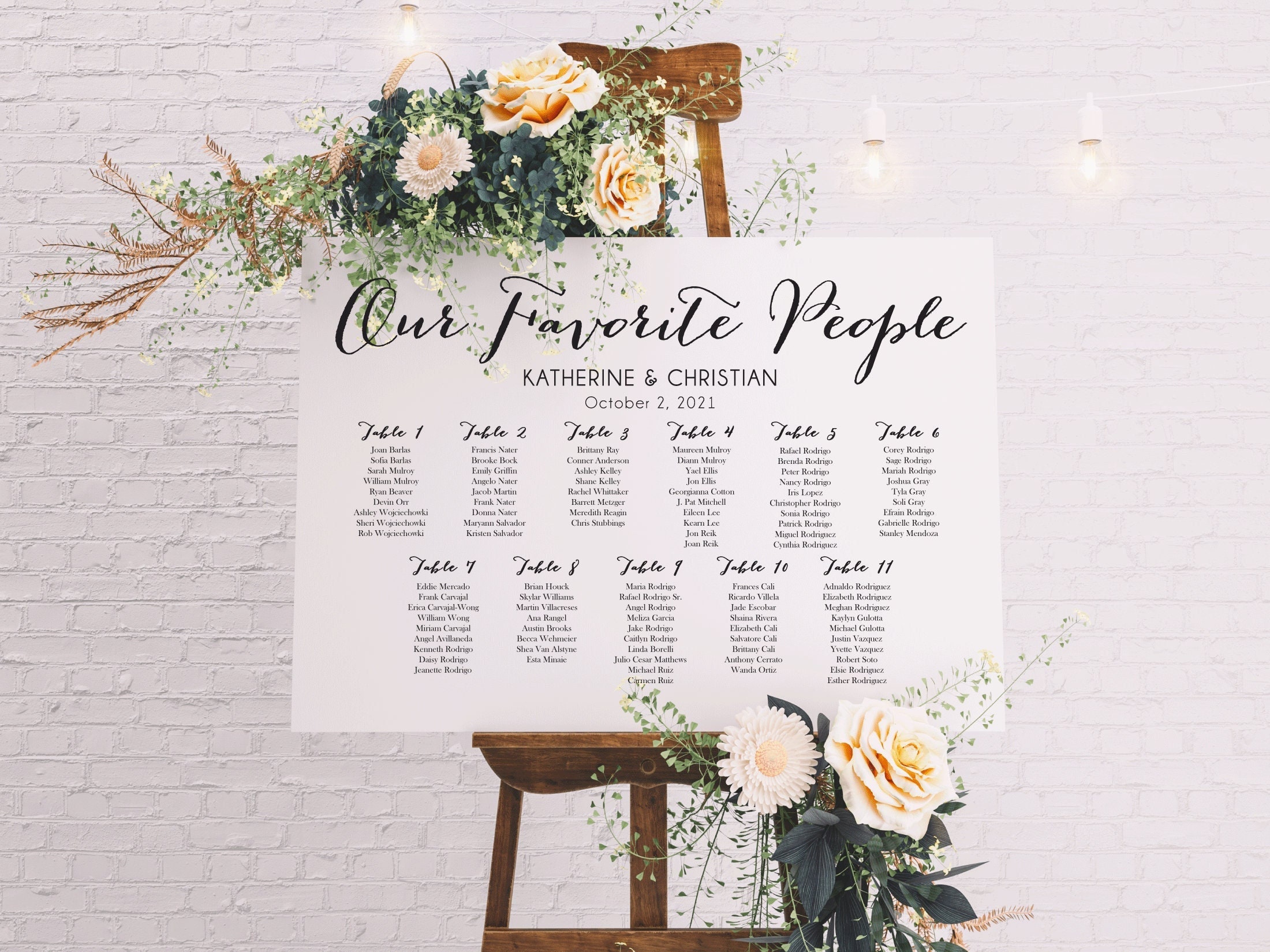
Our Favorite People Seating Chart Acrylic Seating Chart Etsy

"Our FAVORITE PEOPLE Wedding SEATING Chart Poster 30\" x 42\" Custom Digital … Wedding

Our Favorite People Wedding Seating Chart Poster Zazzle Seating chart wedding, Wedding

Our Favorite People Wedding Seating Chart Svg Etsy

Our Favorite People Oversized Wedding Seating Chart Modern and Clean Wedding Seating

Our Favorite People Your Seat Awaits Wedding Seating Chart Header Decal for Mirror Our Favorite

Our Favorite People Wedding Seating Chart Template Download We Do Bou
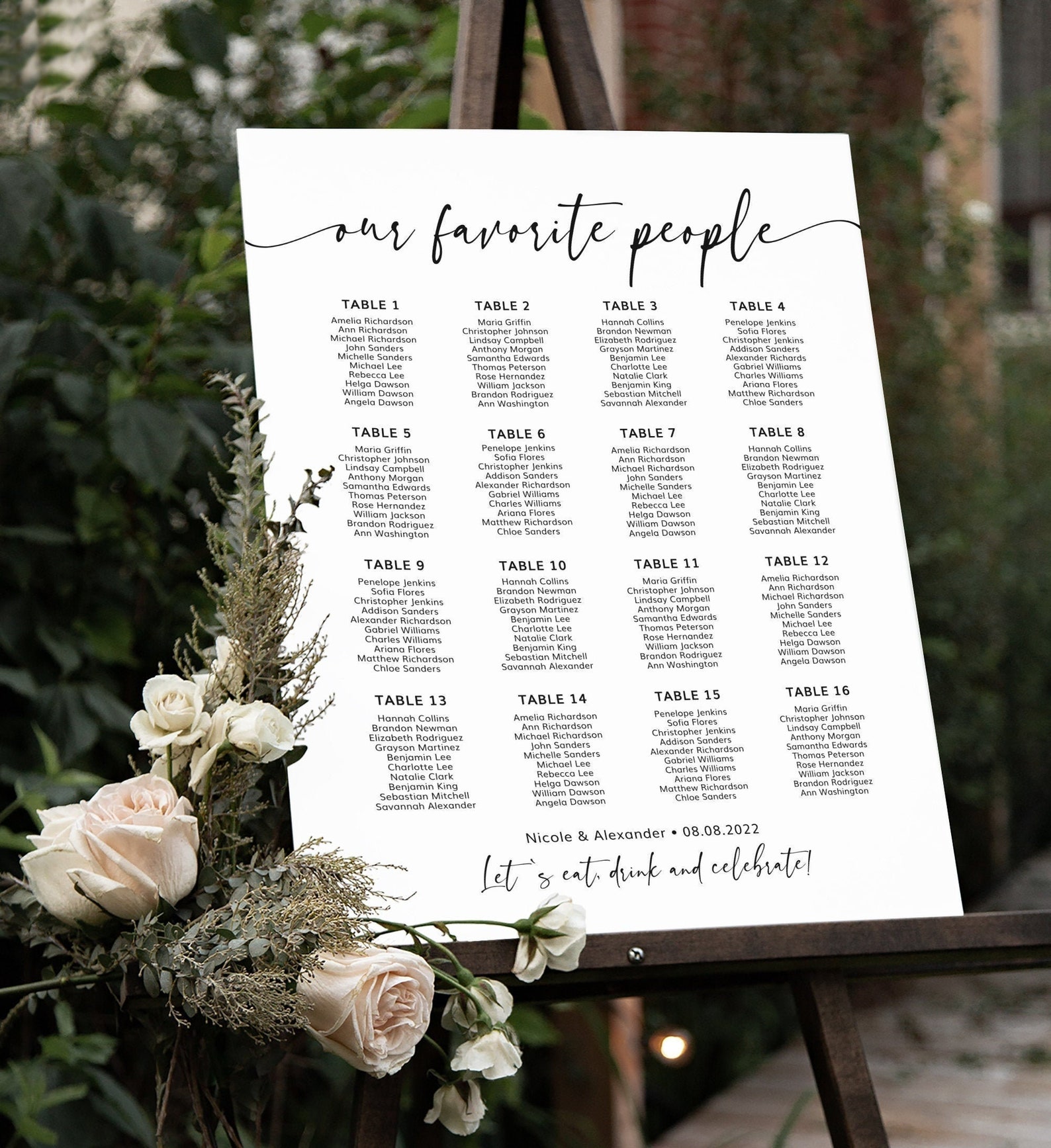
Our Favorite People Seating Chart Poster Template Printable Etsy
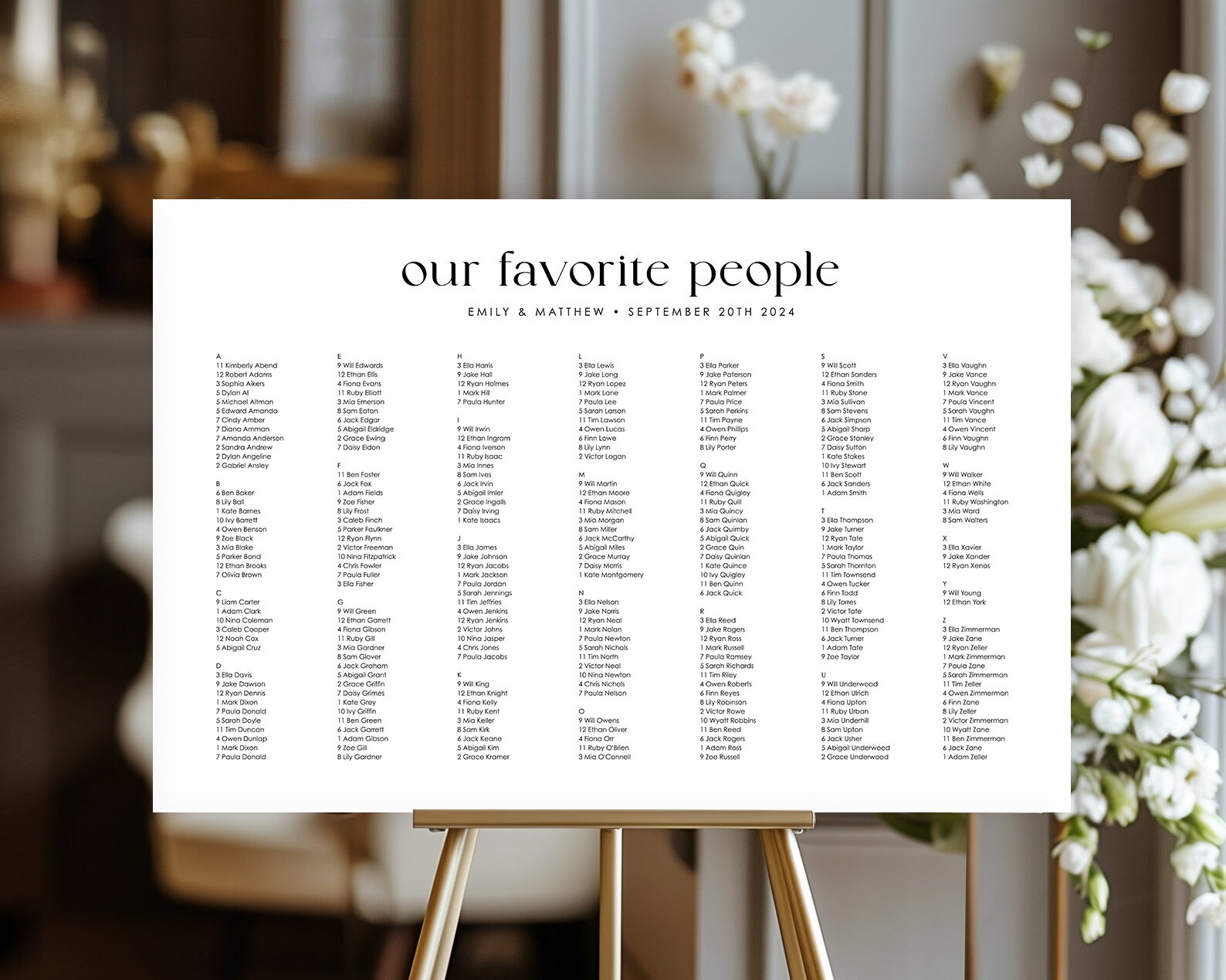
EDITABLE Wedding Seating Chart Template, Alphabetical Seating Plan Template, Wedding Seating
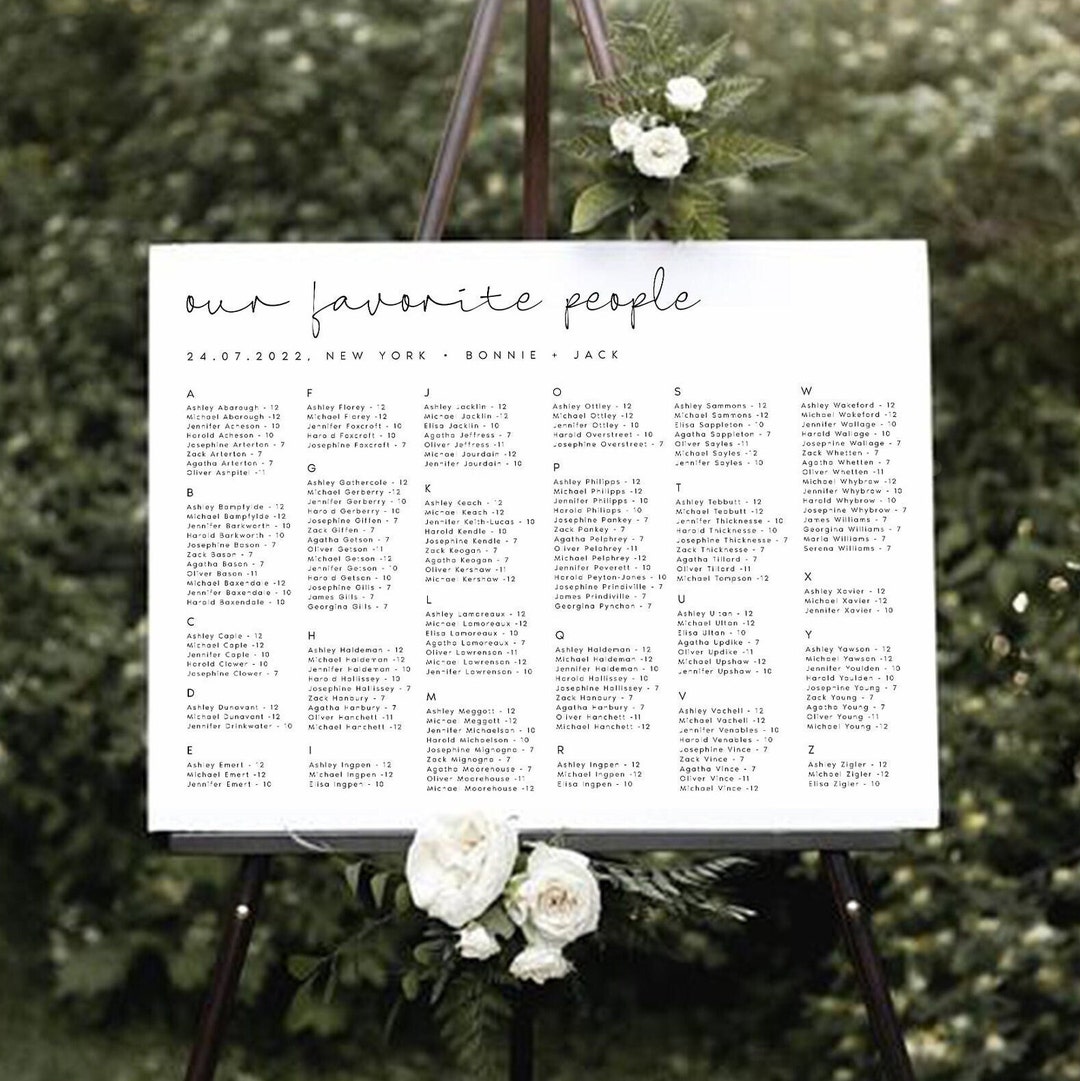
Our Favorite People Printable Seating Chart Sign, Editable Modern Seating Chart Template
The Meaning Of Our Is Of Or Relating To Us Or Ourselves Or Ourself Especially As Possessors Or Possessor, Agents Or Agent, Or Objects Or Object Of An Action.
Possessive Pronouns And Possessive Determiners.
Our Nearest Planet Is Venus.
We Use Pronouns To Refer To Possession And ‘Belonging’.
Related Post: