
Feel Chart
Feel Chart - A.) collagen b.) keratin c.) melanin d.) pepsin,. This is a key protein that makes up the outer layer of the skin, hair, and nails. Identify the first integumentary structure through which the needle will pass. Keratin is crucial for the skin's protective barrier, providing strength and waterproofing properties. A pigment that gives skin its color and protects against uv radiation. These cells are responsible for producing keratin, a protein that provides strength and waterproofing. The stratum basale also contains melanocytes, cells that produce melanin, the pigment primarily responsible for giving skin its color. The substance responsible for waterproofing the skin is keratin. Melanin is transferred to keratinocytes in the stratum. Study with quizlet and memorize flashcards containing terms like which protein is produced by epidermal cells to help waterproof our skin? Study with quizlet and memorize flashcards containing terms like which protein is produced by epidermal cells to help waterproof our skin? Melanin is transferred to keratinocytes in the stratum. Keratin is crucial for the skin's protective barrier, providing strength and waterproofing properties. A pigment that gives skin its color and protects against uv radiation. The substance responsible for waterproofing the skin is keratin. Which epidermal component possesses a waterproofing glycolipid that functions in preventing water loss?. Its surface layer, consisting of dead cells, is rich in keratin, a protein which renders it dry and more or less waterproof, thus resisting surface evaporation and preventing excessive water loss. These cells are responsible for producing keratin, a protein that provides strength and waterproofing. Identify the first integumentary structure through which the needle will pass. The epidermis also contains melanocytes, which produce melanin—the pigment responsible for. A.) collagen b.) keratin c.) melanin d.) pepsin,. Keratinocytes are the most abundant cells in the epidermis and are responsible for producing keratin, a tough protein that helps provide strength and waterproofing to the skin. Its surface layer, consisting of dead cells, is rich in keratin, a protein which renders it dry and more or less waterproof, thus resisting surface. The epidermis is responsible for producing keratin, a protein that helps to waterproof and strengthen the skin, while the dermis cntains collagen and elastin fibers that provide elasticity and firmness. Study with quizlet and memorize flashcards containing terms like which protein is produced by epidermal cells to help waterproof our skin? A vitamin produced in the skin upon sun exposure;. The substance responsible for waterproofing the skin is keratin. Study with quizlet and memorize flashcards containing terms like which protein is produced by epidermal cells to help waterproof our skin? Identify the first integumentary structure through which the needle will pass. A.) collagen b.) keratin c.) melanin d.) pepsin,. Its surface layer, consisting of dead cells, is rich in keratin,. A vitamin produced in the skin upon sun exposure; These cells are responsible for producing keratin, a protein that provides strength and waterproofing. The stratum basale also contains melanocytes, cells that produce melanin, the pigment primarily responsible for giving skin its color. Its surface layer, consisting of dead cells, is rich in keratin, a protein which renders it dry and. The epidermis is responsible for producing keratin, a protein that helps to waterproof and strengthen the skin, while the dermis cntains collagen and elastin fibers that provide elasticity and firmness. A pigment that gives skin its color and protects against uv radiation. The epidermis also contains melanocytes, which produce melanin—the pigment responsible for. The substance responsible for waterproofing the skin. Melanin is transferred to keratinocytes in the stratum. A vitamin produced in the skin upon sun exposure; A pigment that gives skin its color and protects against uv radiation. Study with quizlet and memorize flashcards containing terms like which protein is produced by epidermal cells to help waterproof our skin? Explanation the skin is the largest organ of the body. Keratin is crucial for the skin's protective barrier, providing strength and waterproofing properties. The epidermis also contains melanocytes, which produce melanin—the pigment responsible for. Identify the first integumentary structure through which the needle will pass. Melanin is transferred to keratinocytes in the stratum. Explanation the skin is the largest organ of the body and serves many functions, one of which. Its surface layer, consisting of dead cells, is rich in keratin, a protein which renders it dry and more or less waterproof, thus resisting surface evaporation and preventing excessive water loss. The stratum basale also contains melanocytes, cells that produce melanin, the pigment primarily responsible for giving skin its color. Which epidermal component possesses a waterproofing glycolipid that functions in. Which epidermal component possesses a waterproofing glycolipid that functions in preventing water loss?. Keratinocytes are the most abundant cells in the epidermis and are responsible for producing keratin, a tough protein that helps provide strength and waterproofing to the skin. Keratin is crucial for the skin's protective barrier, providing strength and waterproofing properties. The epidermis also contains melanocytes, which produce. This is a key protein that makes up the outer layer of the skin, hair, and nails. These cells are responsible for producing keratin, a protein that provides strength and waterproofing. The substance responsible for waterproofing the skin is keratin. A vitamin produced in the skin upon sun exposure; The epidermis is responsible for producing keratin, a protein that helps. Keratin is crucial for the skin's protective barrier, providing strength and waterproofing properties. Identify the first integumentary structure through which the needle will pass. Which epidermal component possesses a waterproofing glycolipid that functions in preventing water loss?. A.) collagen b.) keratin c.) melanin d.) pepsin,. The epidermis is responsible for producing keratin, a protein that helps to waterproof and strengthen the skin, while the dermis cntains collagen and elastin fibers that provide elasticity and firmness. The stratum basale also contains melanocytes, cells that produce melanin, the pigment primarily responsible for giving skin its color. Explanation the skin is the largest organ of the body and serves many functions, one of which is to provide a Its surface layer, consisting of dead cells, is rich in keratin, a protein which renders it dry and more or less waterproof, thus resisting surface evaporation and preventing excessive water loss. The epidermis also contains melanocytes, which produce melanin—the pigment responsible for. These cells are responsible for producing keratin, a protein that provides strength and waterproofing. Melanin is transferred to keratinocytes in the stratum. Study with quizlet and memorize flashcards containing terms like which protein is produced by epidermal cells to help waterproof our skin? A pigment that gives skin its color and protects against uv radiation.
Child Feelings Chart

Free Printable Feelings Chart

How Using An Emotions Chart Helped My Toddler—and Me
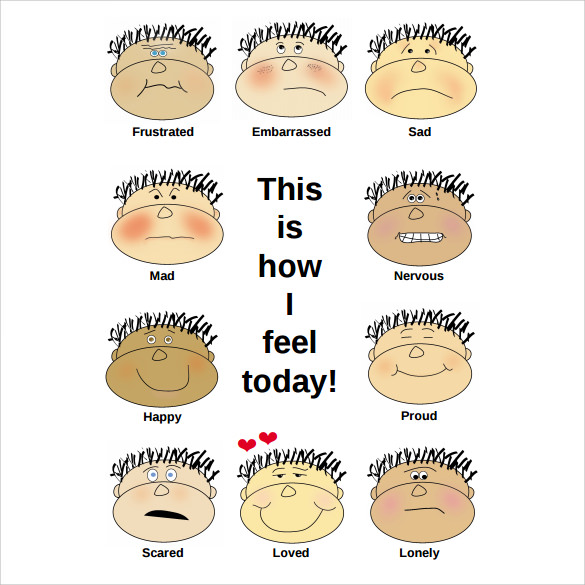
FREE 14+ Sample Feelings Chart Templates in PDF

Feelings Chart 20 Free PDF Printables Printablee

Emotions Chart Feelings Chart Toddlers, Preschoolers, Feeling Chart Today I Feel

Feelings Chart

50 Great Feelings Charts (for Kids & Adults) PrintableTemplates

7 Best Printable Feelings Chart This Unruly

Free Printable Feelings Chart Printable And Enjoyable Learning
This Is A Key Protein That Makes Up The Outer Layer Of The Skin, Hair, And Nails.
A Vitamin Produced In The Skin Upon Sun Exposure;
Keratinocytes Are The Most Abundant Cells In The Epidermis And Are Responsible For Producing Keratin, A Tough Protein That Helps Provide Strength And Waterproofing To The Skin.
The Substance Responsible For Waterproofing The Skin Is Keratin.
Related Post: