
Ear Piercing Chart
Ear Piercing Chart - The ear is the sensory organ for hearing and balance and it is anatomically divided into 3 parts: Your ears have two main functions: This is the outside part of the ear. When sound waves enter your ear canal, your tympanic membrane (eardrum). Human ear, organ of hearing and equilibrium that detects and analyzes sound by transduction and maintains the sense of balance. Understanding the parts of the ear — and the role of each in processing sounds — can help you better understand hearing loss. These parts include the outer ear, the middle ear and the inner ear. The ear is the organ of hearing and balance. They are divided into three portions: The parts of the ear include: When sound waves enter your ear canal, your tympanic membrane (eardrum). External auditory canal or tube. The external, middle and internal ear. In humans, the ear is described as having three parts: They all have different, but important, features that facilitate hearing and balance. Anatomically, the ear has three. This is the outside part of the ear. The parts of the ear include: The ear has three main parts: These parts include the outer ear, the middle ear and the inner ear. Human ear, organ of hearing and equilibrium that detects and analyzes sound by transduction and maintains the sense of balance. Your ears have two main functions: Find out about the parts of the ear and what each part does. The outer ear, the middle ear, and the inner ear. What is the main function of the ear? This is the outside part of the ear. In humans, the ear is described as having three parts: In vertebrates, an ear is the organ that enables hearing and (in mammals) body balance using the vestibular system. These parts include the outer ear, the middle ear and the inner ear. Human ear, organ of hearing and equilibrium that detects and. What is the main function of the ear? This is the outside part of the ear. Understanding the parts of the ear — and the role of each in processing sounds — can help you better understand hearing loss. The ear is the sensory organ for hearing and balance and it is anatomically divided into 3 parts: Find out about. These parts include the outer ear, the middle ear and the inner ear. When sound waves enter your ear canal, your tympanic membrane (eardrum). They all have different, but important, features that facilitate hearing and balance. The ear has three main parts. Learn how the ear works, explore its anatomy, functions, and disorders, and download free ear diagrams, worksheets, and. The external, middle and internal ear. The outer ear, the middle ear, and the inner ear. The ear is the sensory organ for hearing and balance and it is anatomically divided into 3 parts: The ear is the organ of hearing and balance. The ear has three main parts. Understanding the parts of the ear — and the role of each in processing sounds — can help you better understand hearing loss. The ears are a pair of sensory organs whose primary functions are hearing and balance. The ear is the sensory organ for hearing and balance and it is anatomically divided into 3 parts: The outer ear, the. The parts of the ear include: The ear is the organ of hearing and balance. They are divided into three portions: What is the main function of the ear? Human ear, organ of hearing and equilibrium that detects and analyzes sound by transduction and maintains the sense of balance. Anatomically, the ear has three. The ear has three main parts: In vertebrates, an ear is the organ that enables hearing and (in mammals) body balance using the vestibular system. The ear has three main parts. They are divided into three portions: The ear is the sensory organ for hearing and balance and it is anatomically divided into 3 parts: Understanding the parts of the ear — and the role of each in processing sounds — can help you better understand hearing loss. These parts include the outer ear, the middle ear and the inner ear. The ear has three main parts:. Anatomically, the ear has three. In humans, the ear is described as having three parts: The ear is the sensory organ for hearing and balance and it is anatomically divided into 3 parts: The ear has three main parts: Understanding the parts of the ear — and the role of each in processing sounds — can help you better understand. Find out about the parts of the ear and what each part does. The parts of the ear include: External auditory canal or tube. The ears are a pair of sensory organs whose primary functions are hearing and balance. This is the outside part of the ear. Anatomically, the ear has three. In humans, the ear is described as having three parts: The ear has three main parts: In vertebrates, an ear is the organ that enables hearing and (in mammals) body balance using the vestibular system. Your ears have two main functions: The ear has three main parts. The external, middle and internal ear. They all have different, but important, features that facilitate hearing and balance. External ear, middle ear and inner ear. When sound waves enter your ear canal, your tympanic membrane (eardrum). Human ear, organ of hearing and equilibrium that detects and analyzes sound by transduction and maintains the sense of balance.
Types Of Ear Piercing Chart Ear Piercing Chart For Different

ear piercings chart Ear chart piercings piercing different pain types helix tragus von me lobe

Types of ear piercings best ear piercing chart and guide Artofit

Ear Piercing Names Diagram Piercing Ear Chart Piercings Diag
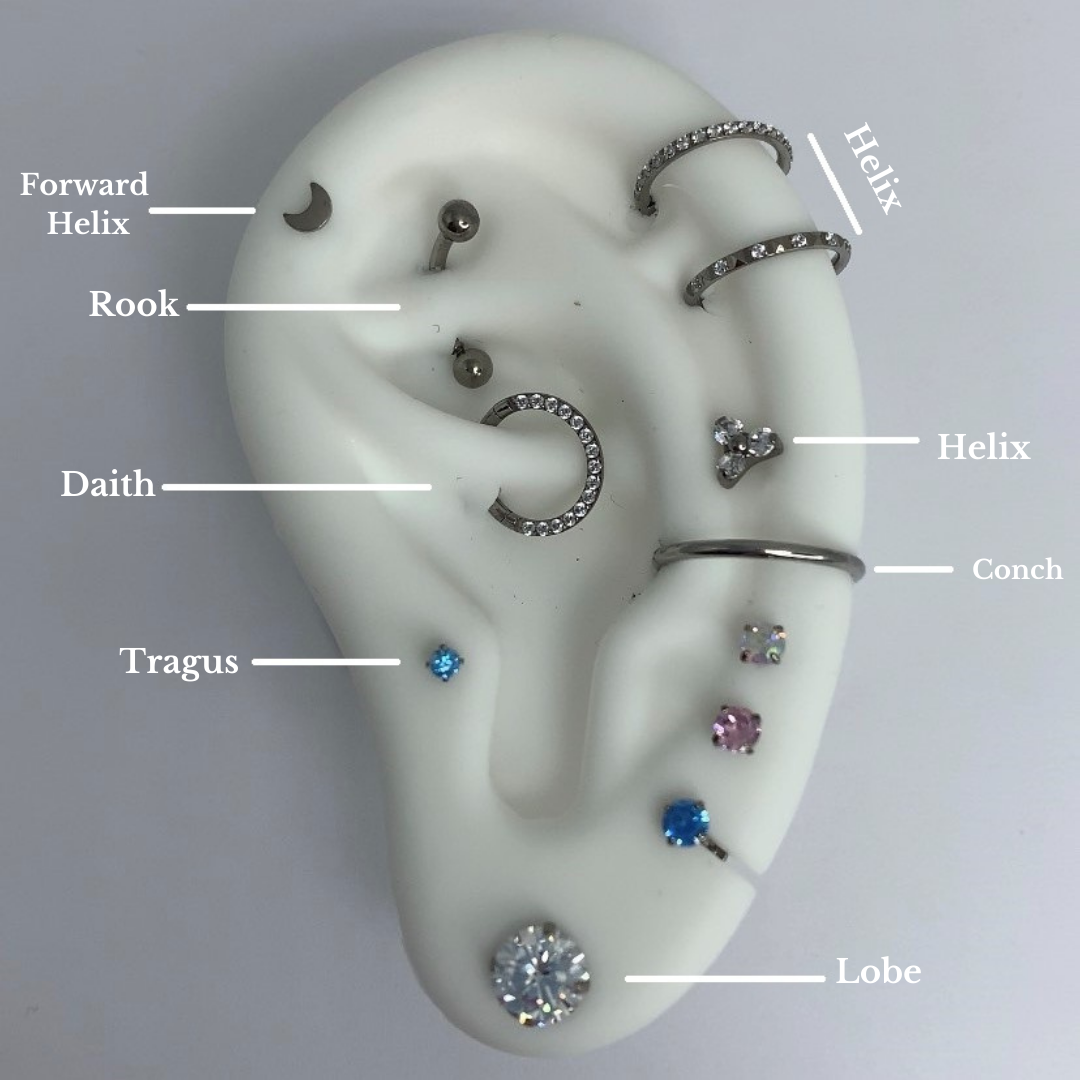
Finding The Perfect Ear Piercing A Guide To Jewelry Stores Near You Precision Jewellery Tools
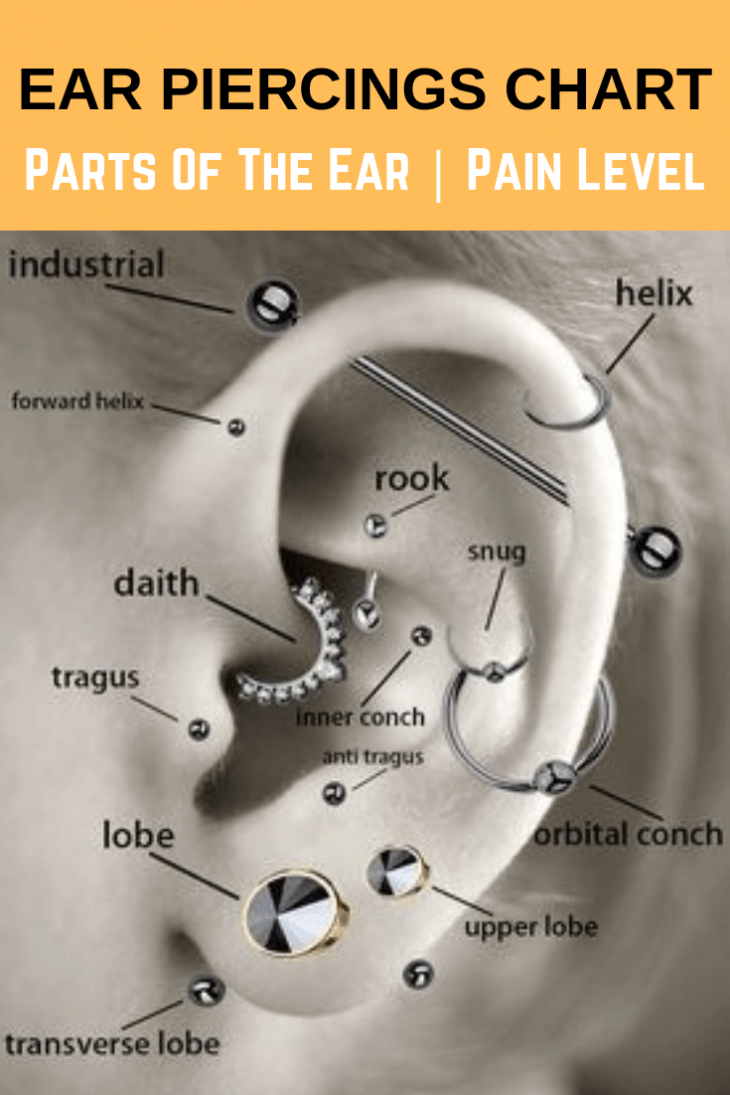
Ear Piercings Chart Ear Piercings for Men and Women

Ear piercing chart Artofit
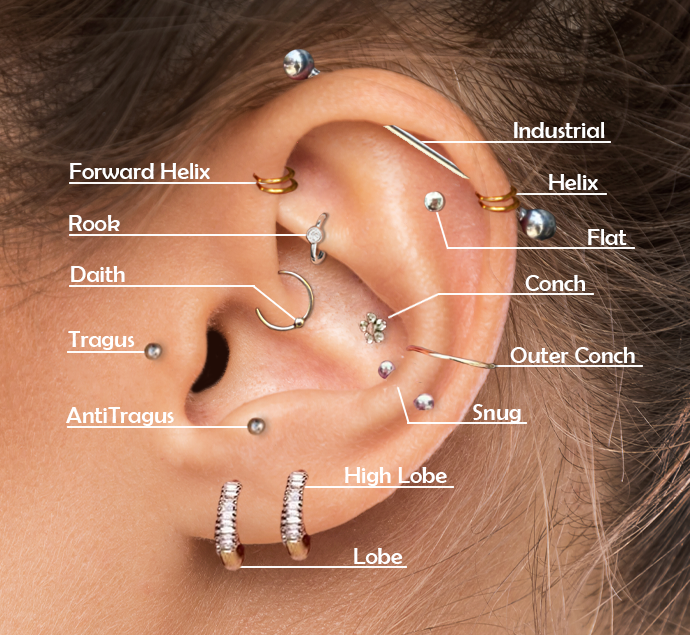
Ear Piercings Chart
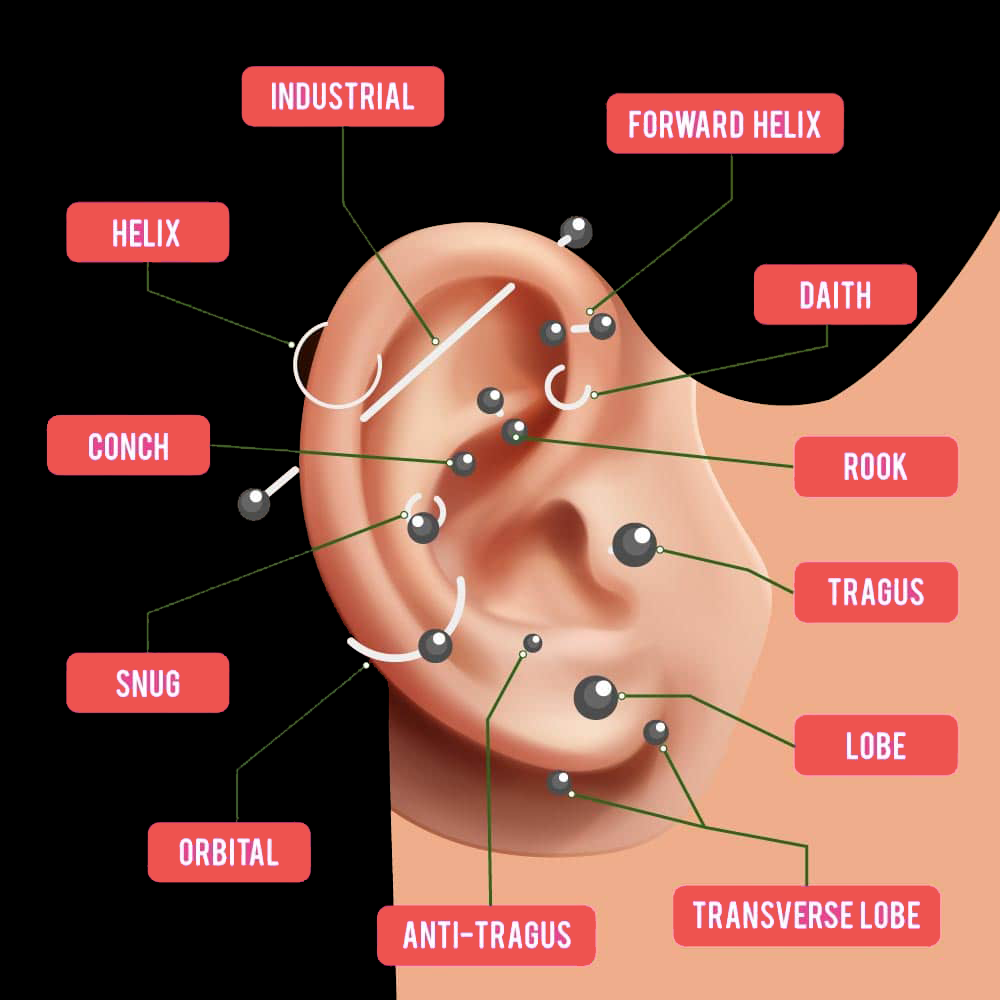
Ear Piercing Names Diagram Piercing Ear Chart Piercings Diag

Diagram Of Ear Piercings
Learn How The Ear Works, Explore Its Anatomy, Functions, And Disorders, And Download Free Ear Diagrams, Worksheets, And A Glossary.
What Is The Main Function Of The Ear?
Understanding The Parts Of The Ear — And The Role Of Each In Processing Sounds — Can Help You Better Understand Hearing Loss.
The Ear Is The Sensory Organ For Hearing And Balance And It Is Anatomically Divided Into 3 Parts:
Related Post: