
Coral Springs Charter Softball
Coral Springs Charter Softball - But how much do you know about reefs and the tiny animals—polyps—that build them? Coral, any of a variety of invertebrate marine organisms of the class anthozoa that are characterized by skeletons—external or internal—of a stonelike, horny, or leathery. Learn all about coral and why warming. They create underwater habitats that support more species than any. Corals are animals that take root on the ocean floor and can live in shallow waters or the deepest ocean canyons. There are about 6,000 species of coral around the world, with some species growing in warm shallow waters near coastlines and others thriving on the dark, cold seafloor. Coral can be found in tropical ocean waters around the world. Corals are colonial marine invertebrates within the subphylum anthozoa of the phylum cnidaria. They are also are a source of food and. They typically form compact colonies of many identical individual polyps. They create underwater habitats that support more species than any. But how much do you know about reefs and the tiny animals—polyps—that build them? They are also are a source of food and. Coral reefs protect coastlines from storms and erosion, provide jobs for local communities, and offer opportunities for recreation. There are about 6,000 species of coral around the world, with some species growing in warm shallow waters near coastlines and others thriving on the dark, cold seafloor. Learn all about coral and why warming. Coral reefs are highly diverse and unique around the world, providing shelter and sustenance for abundant. Coral can be found in tropical ocean waters around the world. They typically form compact colonies of many identical individual polyps. Corals are colonial marine invertebrates within the subphylum anthozoa of the phylum cnidaria. There are about 6,000 species of coral around the world, with some species growing in warm shallow waters near coastlines and others thriving on the dark, cold seafloor. But how much do you know about reefs and the tiny animals—polyps—that build them? Learn all about coral and why warming. They are also are a source of food and. Coral reefs. Corals are animals that take root on the ocean floor and can live in shallow waters or the deepest ocean canyons. But how much do you know about reefs and the tiny animals—polyps—that build them? Corals are colonial marine invertebrates within the subphylum anthozoa of the phylum cnidaria. Coral reefs are highly diverse and unique around the world, providing shelter. There are about 6,000 species of coral around the world, with some species growing in warm shallow waters near coastlines and others thriving on the dark, cold seafloor. They are also are a source of food and. They create underwater habitats that support more species than any. Corals are colonial marine invertebrates within the subphylum anthozoa of the phylum cnidaria.. Learn all about coral and why warming. They typically form compact colonies of many identical individual polyps. Coral reefs protect coastlines from storms and erosion, provide jobs for local communities, and offer opportunities for recreation. But how much do you know about reefs and the tiny animals—polyps—that build them? Coral, any of a variety of invertebrate marine organisms of the. Learn all about coral and why warming. They create underwater habitats that support more species than any. Corals are animals that take root on the ocean floor and can live in shallow waters or the deepest ocean canyons. Coral can be found in tropical ocean waters around the world. Corals are colonial marine invertebrates within the subphylum anthozoa of the. They are also are a source of food and. They create underwater habitats that support more species than any. Corals are sessile animals that take root on the ocean floor. Corals are colonial marine invertebrates within the subphylum anthozoa of the phylum cnidaria. There are about 6,000 species of coral around the world, with some species growing in warm shallow. Coral, any of a variety of invertebrate marine organisms of the class anthozoa that are characterized by skeletons—external or internal—of a stonelike, horny, or leathery. Corals are colonial marine invertebrates within the subphylum anthozoa of the phylum cnidaria. Corals are animals that take root on the ocean floor and can live in shallow waters or the deepest ocean canyons. They. Corals are colonial marine invertebrates within the subphylum anthozoa of the phylum cnidaria. Coral reefs protect coastlines from storms and erosion, provide jobs for local communities, and offer opportunities for recreation. They typically form compact colonies of many identical individual polyps. Coral can be found in tropical ocean waters around the world. They are also are a source of food. Corals are sessile animals that take root on the ocean floor. Coral reefs protect coastlines from storms and erosion, provide jobs for local communities, and offer opportunities for recreation. Learn all about coral and why warming. But how much do you know about reefs and the tiny animals—polyps—that build them? They are also are a source of food and. They create underwater habitats that support more species than any. Coral reefs are highly diverse and unique around the world, providing shelter and sustenance for abundant. Corals are sessile animals that take root on the ocean floor. But how much do you know about reefs and the tiny animals—polyps—that build them? Corals are animals that take root on the ocean. Corals are sessile animals that take root on the ocean floor. Corals are animals that take root on the ocean floor and can live in shallow waters or the deepest ocean canyons. Coral reefs are highly diverse and unique around the world, providing shelter and sustenance for abundant. But how much do you know about reefs and the tiny animals—polyps—that build them? Coral reefs protect coastlines from storms and erosion, provide jobs for local communities, and offer opportunities for recreation. They create underwater habitats that support more species than any. Coral can be found in tropical ocean waters around the world. Corals are colonial marine invertebrates within the subphylum anthozoa of the phylum cnidaria. Learn all about coral and why warming. Coral, any of a variety of invertebrate marine organisms of the class anthozoa that are characterized by skeletons—external or internal—of a stonelike, horny, or leathery.
Coral Springs Charter Softball Season Ends After Regional Run • Coral Springs Talk

Coral Springs Charter Softball Wins Fifth Straight District Championship • Coral Springs Talk
Coral Springs Charter softball moves closer to third consecutive state title by beating Gulliver

Coral Springs Charter Softball Wins Sixth Straight District Championship • Coral Springs Talk
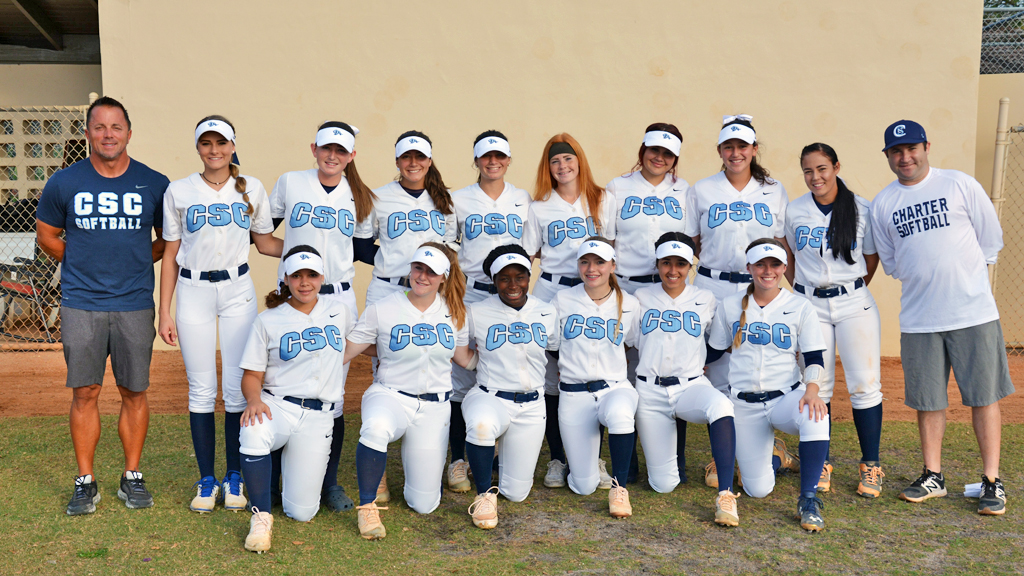
Coral Springs Charter Softball Looks for FifthStraight State Championship • Coral Springs Talk
Coral Springs Charter rallies vs. Western in extras, secures BCAA Big 8 softball title

4 Seniors from Coral Springs Charter Softball Set to Graduate • Coral Springs Talk

Coral Springs Charter JV Softball Team Posts Incredible Season • Coral Springs Talk

Coral Springs Charter Softball Advances to Regional SemiFinals • Coral Springs Talk

Coral Springs Charter Softball's Stellar Season Ends in Heartbreak at Regional Final • Coral
There Are About 6,000 Species Of Coral Around The World, With Some Species Growing In Warm Shallow Waters Near Coastlines And Others Thriving On The Dark, Cold Seafloor.
They Typically Form Compact Colonies Of Many Identical Individual Polyps.
They Are Also Are A Source Of Food And.
Related Post:
