
Comet Finder Charts
Comet Finder Charts - Comet 2p/encke is a small comet. This comet takes about 6.6 years to orbit the sun once. 9, 2017 at a blistering speed of 196,000 miles per hour. C/2012 s1 (ison) was the subject of the most coordinated comet observing campaign in history. While originally classified as a comet, observations revealed no signs of cometary activity after it slingshotted past the sun on sept. Occasionally, giant molecular clouds, stars passing nearby, or tidal interactions with the milky way’s disc disturb the orbit of one of these bodies in the outer region of the oort cloud,. Halley's backward, or retrograde, motion is unusual among. This is about five times. Comet halley moves backward (opposite to earth's motion) around the sun in a plane tilted 18 degrees to that of the earth's orbit. Its nucleus measures approximately 2.98 miles (4.8 kilometers) in diameter, which is about a third of the size of the object hypothesized to have. This comet takes about 6.6 years to orbit the sun once. Comet halley moves backward (opposite to earth's motion) around the sun in a plane tilted 18 degrees to that of the earth's orbit. Halley's backward, or retrograde, motion is unusual among. This is about five times. Comet 2p/encke is a small comet. Occasionally, giant molecular clouds, stars passing nearby, or tidal interactions with the milky way’s disc disturb the orbit of one of these bodies in the outer region of the oort cloud,. C/2012 s1 (ison) was the subject of the most coordinated comet observing campaign in history. While originally classified as a comet, observations revealed no signs of cometary activity after it slingshotted past the sun on sept. 9, 2017 at a blistering speed of 196,000 miles per hour. Its nucleus measures approximately 2.98 miles (4.8 kilometers) in diameter, which is about a third of the size of the object hypothesized to have. Comet halley moves backward (opposite to earth's motion) around the sun in a plane tilted 18 degrees to that of the earth's orbit. Comet 2p/encke is a small comet. This is about five times. Halley's backward, or retrograde, motion is unusual among. This comet takes about 6.6 years to orbit the sun once. Occasionally, giant molecular clouds, stars passing nearby, or tidal interactions with the milky way’s disc disturb the orbit of one of these bodies in the outer region of the oort cloud,. While originally classified as a comet, observations revealed no signs of cometary activity after it slingshotted past the sun on sept. 9, 2017 at a blistering speed of 196,000. Its nucleus measures approximately 2.98 miles (4.8 kilometers) in diameter, which is about a third of the size of the object hypothesized to have. This comet takes about 6.6 years to orbit the sun once. This is about five times. 9, 2017 at a blistering speed of 196,000 miles per hour. Halley's backward, or retrograde, motion is unusual among. C/2012 s1 (ison) was the subject of the most coordinated comet observing campaign in history. While originally classified as a comet, observations revealed no signs of cometary activity after it slingshotted past the sun on sept. Comet 2p/encke is a small comet. Halley's backward, or retrograde, motion is unusual among. Its nucleus measures approximately 2.98 miles (4.8 kilometers) in diameter,. 9, 2017 at a blistering speed of 196,000 miles per hour. C/2012 s1 (ison) was the subject of the most coordinated comet observing campaign in history. This is about five times. Occasionally, giant molecular clouds, stars passing nearby, or tidal interactions with the milky way’s disc disturb the orbit of one of these bodies in the outer region of the. This comet takes about 6.6 years to orbit the sun once. Halley's backward, or retrograde, motion is unusual among. Comet 2p/encke is a small comet. Comet halley moves backward (opposite to earth's motion) around the sun in a plane tilted 18 degrees to that of the earth's orbit. While originally classified as a comet, observations revealed no signs of cometary. Occasionally, giant molecular clouds, stars passing nearby, or tidal interactions with the milky way’s disc disturb the orbit of one of these bodies in the outer region of the oort cloud,. Comet halley moves backward (opposite to earth's motion) around the sun in a plane tilted 18 degrees to that of the earth's orbit. This comet takes about 6.6 years. 9, 2017 at a blistering speed of 196,000 miles per hour. Comet halley moves backward (opposite to earth's motion) around the sun in a plane tilted 18 degrees to that of the earth's orbit. Halley's backward, or retrograde, motion is unusual among. C/2012 s1 (ison) was the subject of the most coordinated comet observing campaign in history. This comet takes. This comet takes about 6.6 years to orbit the sun once. Comet halley moves backward (opposite to earth's motion) around the sun in a plane tilted 18 degrees to that of the earth's orbit. Occasionally, giant molecular clouds, stars passing nearby, or tidal interactions with the milky way’s disc disturb the orbit of one of these bodies in the outer. This comet takes about 6.6 years to orbit the sun once. Occasionally, giant molecular clouds, stars passing nearby, or tidal interactions with the milky way’s disc disturb the orbit of one of these bodies in the outer region of the oort cloud,. This is about five times. C/2012 s1 (ison) was the subject of the most coordinated comet observing campaign. Comet 2p/encke is a small comet. Occasionally, giant molecular clouds, stars passing nearby, or tidal interactions with the milky way’s disc disturb the orbit of one of these bodies in the outer region of the oort cloud,. C/2012 s1 (ison) was the subject of the most coordinated comet observing campaign in history. Comet halley moves backward (opposite to earth's motion) around the sun in a plane tilted 18 degrees to that of the earth's orbit. Its nucleus measures approximately 2.98 miles (4.8 kilometers) in diameter, which is about a third of the size of the object hypothesized to have. This comet takes about 6.6 years to orbit the sun once. Halley's backward, or retrograde, motion is unusual among. While originally classified as a comet, observations revealed no signs of cometary activity after it slingshotted past the sun on sept.
12P/PonsBrooks How and when to see the 'Devil Comet' The Royal Astronomical Society

This LongTailed Comet Is Poised to Put On a Good Show in October How to See It

Comet TsuchinshanATLAS Climbs, Brightens and Delights! Sky & Telescope
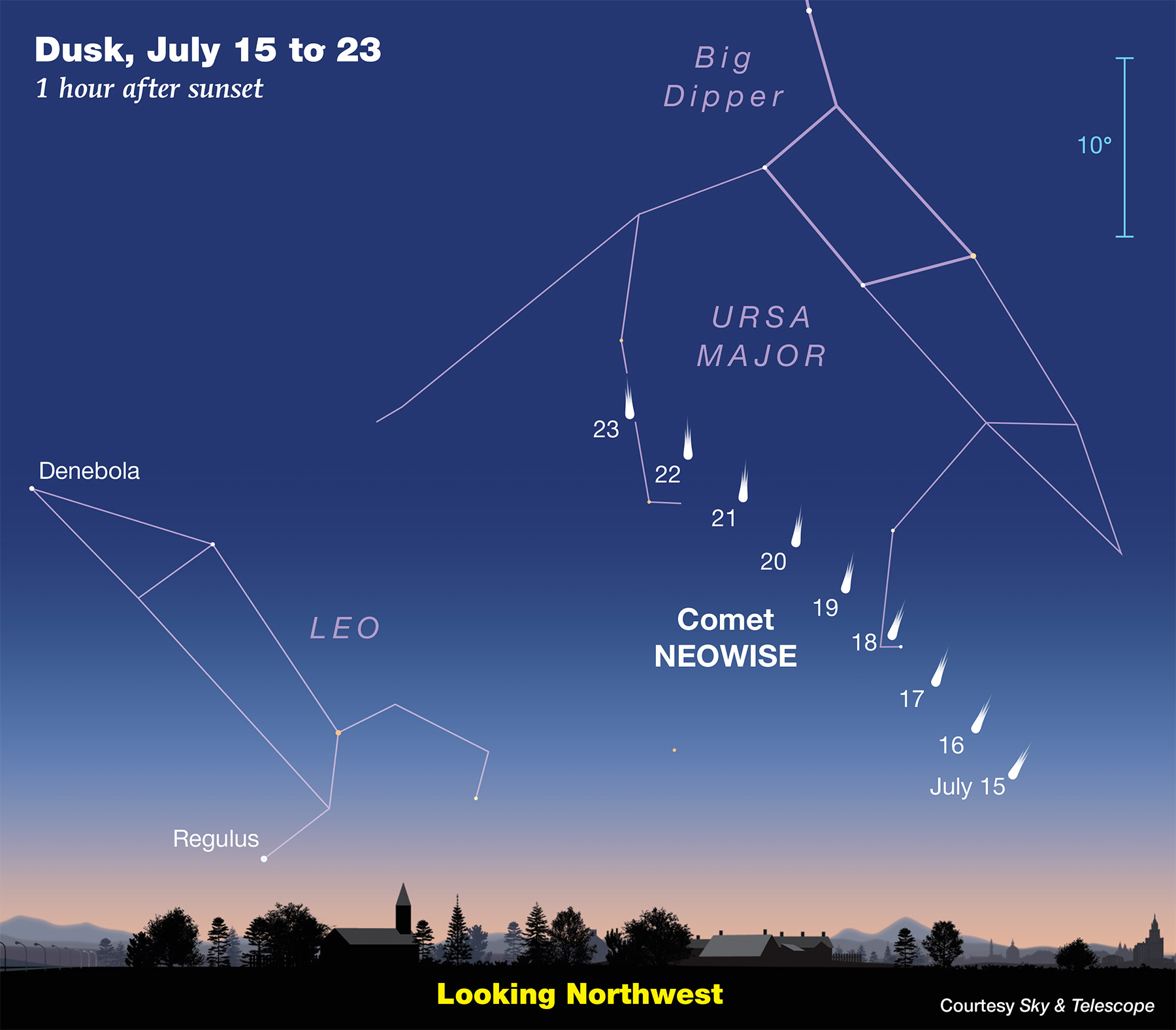
This Week's Sky at a Glance, July 17 25 Sky & Telescope
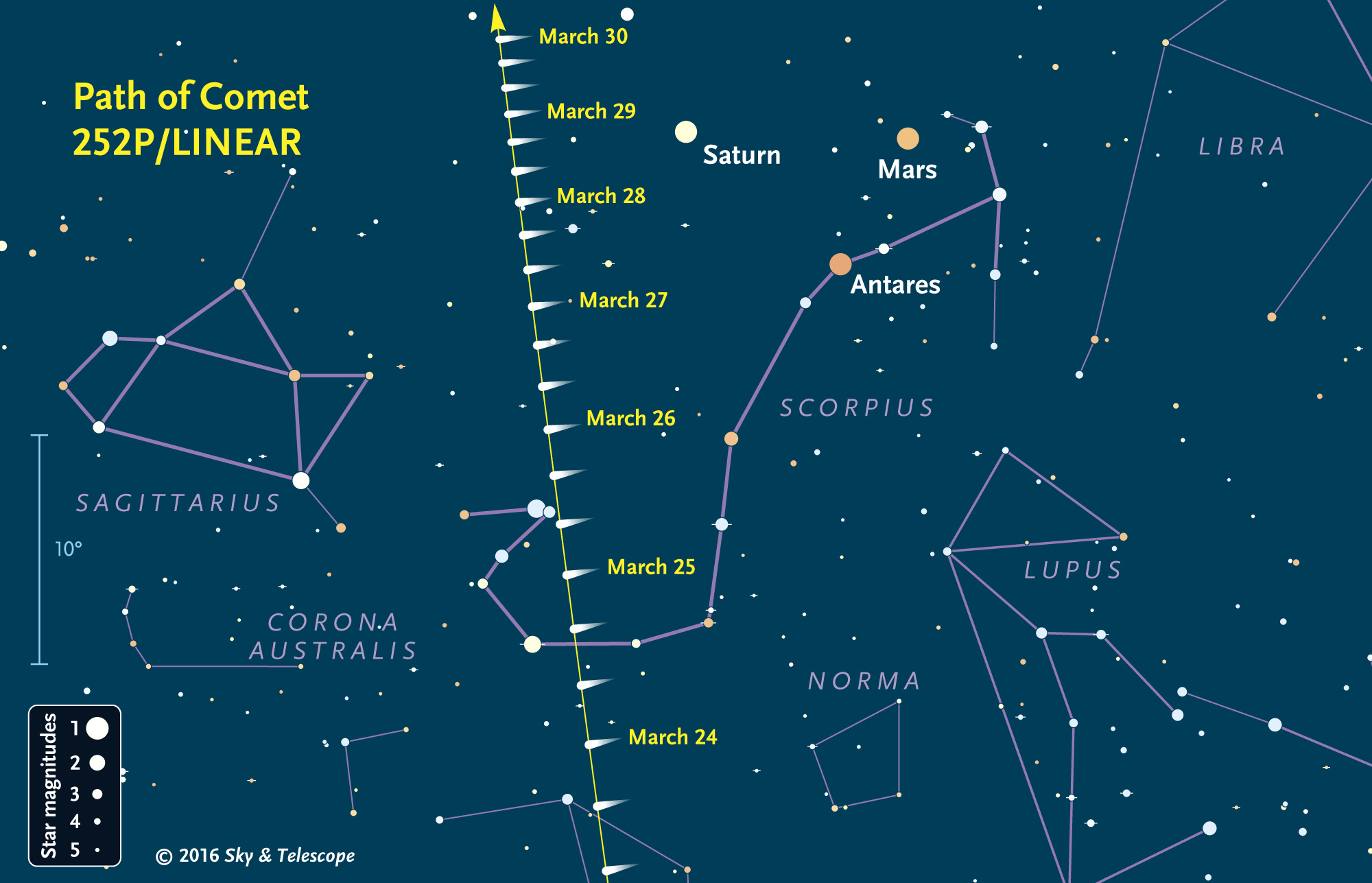
Comet 252P/LINEAR Soars Into Predawn View This Week Sky & Telescope

What's Up NASA Science
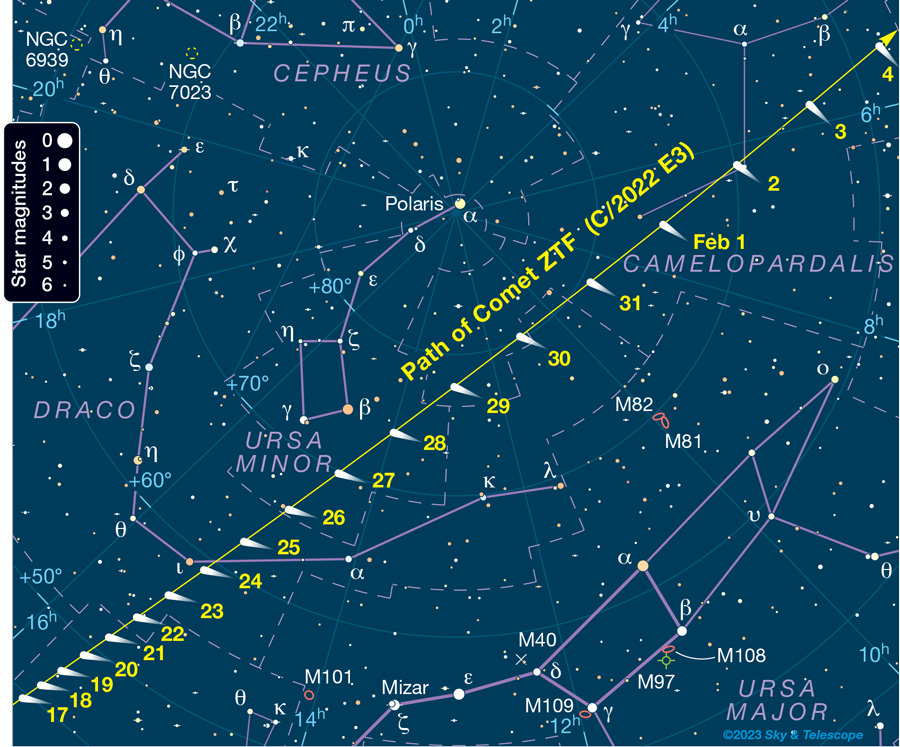
Comet 2025 How To See Benny Zorana
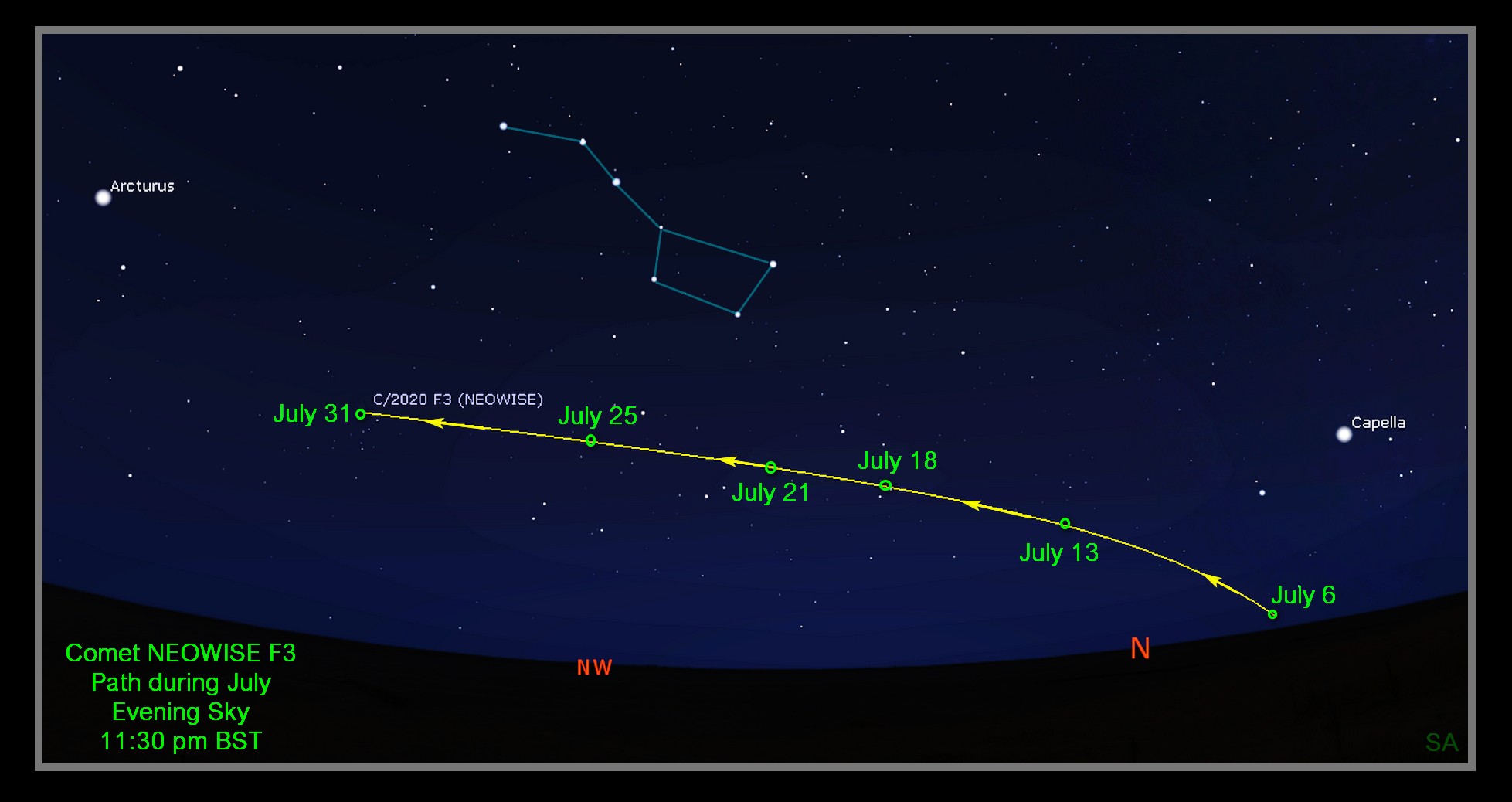
Look out for Comet NEOWISE! The Royal Astronomical Society
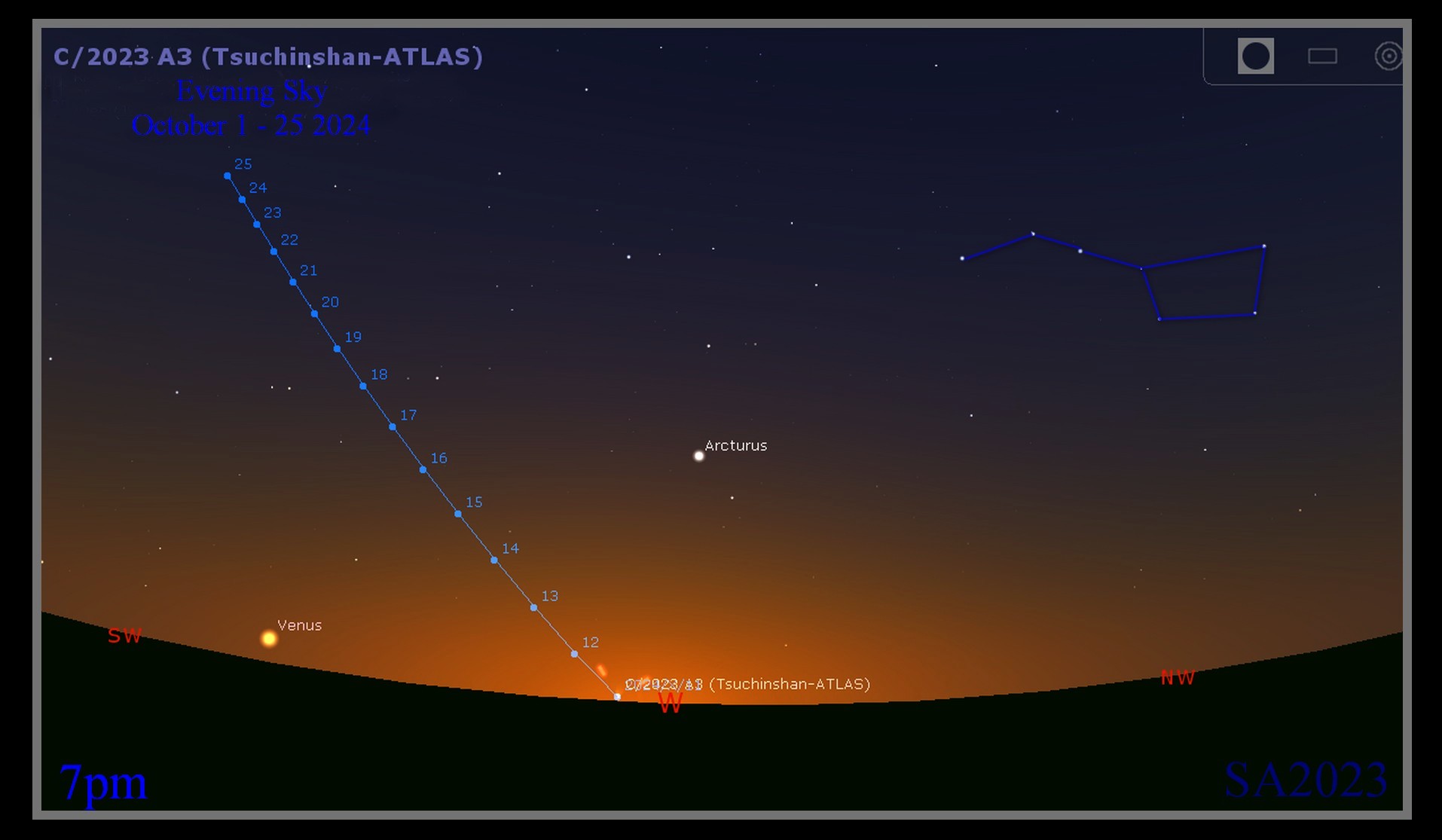
Comet A3 How and when to see TsuchinshanATLAS The Royal Astronomical Society
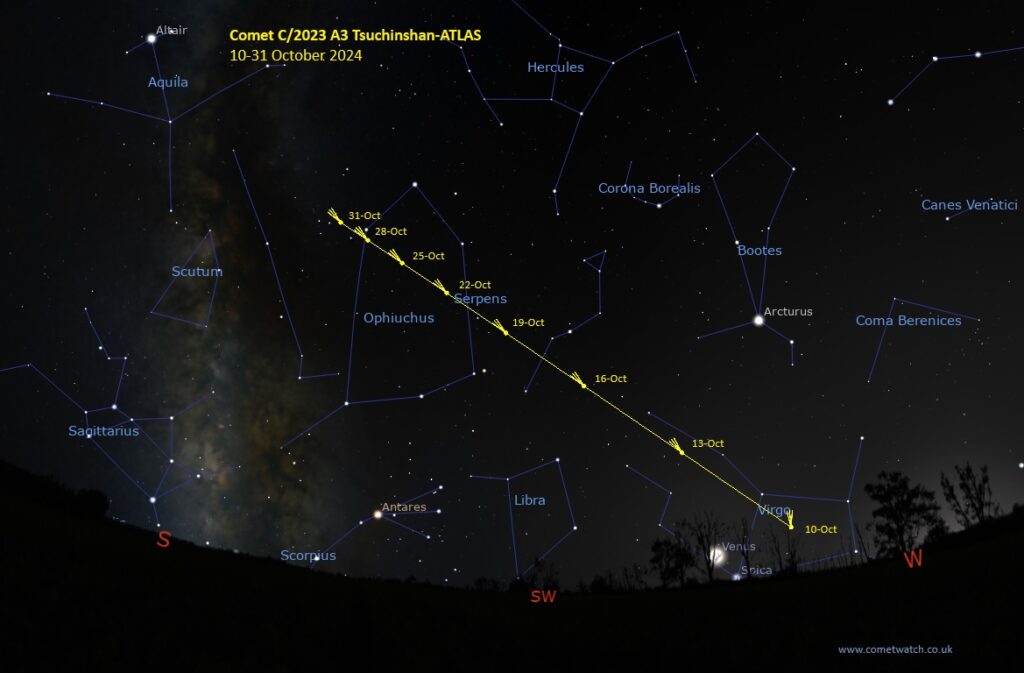
How to observe Comet TsuchinshanATLAS CometWatch
This Is About Five Times.
9, 2017 At A Blistering Speed Of 196,000 Miles Per Hour.
Related Post: