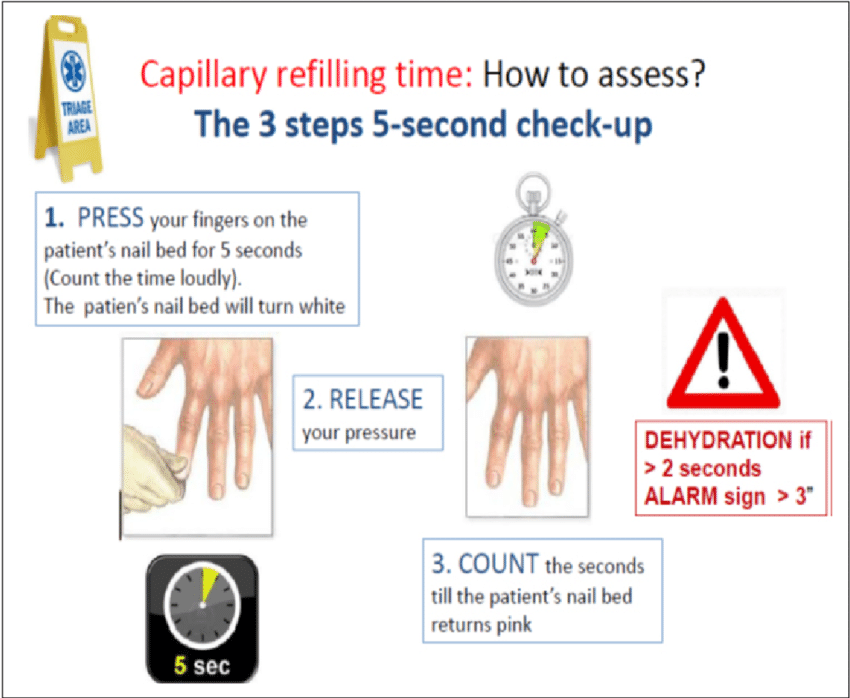
Capillary Refill Charting
Capillary Refill Charting - Capillary, in human physiology, any of the minute blood vessels that form networks throughout the bodily tissues; They help to connect your arteries and veins in addition to facilitating. It is a fragile but essential part of the circulatory system. Capillaries transport blood between arteries and veins. A capillary is a small blood vessel, from 5 to 10 micrometres in diameter, and is part of the microcirculation system. In the circulatory system, one of the minute vessels connecting arterioles and venules, the walls of which act as a semipermeable membrane for. Capillaries are very tiny blood vessels — so small that a single red blood cell can barely fit through them. A capillary is a microvessel, as are its immediate neighbors the arterioles and venules; They deliver oxygen and nutrients to cells while removing. Capillaries are delicate blood vessels that deliver nutrients and oxygen to cells throughout your body. It is through the capillaries that oxygen, nutrients, and wastes are exchanged. Capillaries are microvessels and the smallest blood vessels in the body. In the circulatory system, one of the minute vessels connecting arterioles and venules, the walls of which act as a semipermeable membrane for. Capillaries are delicate blood vessels that deliver nutrients and oxygen to cells throughout your body. Arteries are the largest blood vessels with the thickest walls, and capillaries are the smallest. A capillary is a microvessel, as are its immediate neighbors the arterioles and venules; They also remove carbon dioxide and other waste from your cells. They deliver oxygen and nutrients to cells while removing. A capillary is a small blood vessel, from 5 to 10 micrometres in diameter, and is part of the microcirculation system. It is a fragile but essential part of the circulatory system. It is a fragile but essential part of the circulatory system. They help to connect your arteries and veins in addition to facilitating. In the circulatory system, one of the minute vessels connecting arterioles and venules, the walls of which act as a semipermeable membrane for. Capillaries transport blood between arteries and veins. Capillary, in human physiology, any of the. How to use capillary in a sentence. Capillaries are very tiny blood vessels — so small that a single red blood cell can barely fit through them. Pertaining to or resembling a hair. They also remove carbon dioxide and other waste from your cells. It is through the capillaries that oxygen, nutrients, and wastes are exchanged. It is through the capillaries that oxygen, nutrients, and wastes are exchanged. A capillary is a microvessel, as are its immediate neighbors the arterioles and venules; Capillaries connect arterioles and venules and enable the exchange of water, oxygen, carbon dioxide, and many other nutrients and waste substances between blood and surrounding. They also remove carbon dioxide and other waste from. Arteries are the largest blood vessels with the thickest walls, and capillaries are the smallest. Capillaries are microvessels and the smallest blood vessels in the body. A capillary is a small blood vessel, from 5 to 10 micrometres in diameter, and is part of the microcirculation system. A capillary is a microvessel, as are its immediate neighbors the arterioles and. Capillaries are the smallest blood vessels in the body, connecting the smallest arteries to the smallest veins. It is a fragile but essential part of the circulatory system. They deliver oxygen and nutrients to cells while removing. Capillaries are very tiny blood vessels — so small that a single red blood cell can barely fit through them. In the circulatory. Capillaries transport blood between arteries and veins. The meaning of capillary is resembling a hair especially in slender elongated form. They deliver oxygen and nutrients to cells while removing. It is a fragile but essential part of the circulatory system. How to use capillary in a sentence. Capillaries are the smallest blood vessels in the body, connecting the smallest arteries to the smallest veins. How to use capillary in a sentence. Capillaries are delicate blood vessels that deliver nutrients and oxygen to cells throughout your body. Capillaries transport blood between arteries and veins. It is through the capillaries that oxygen, nutrients, and wastes are exchanged. Capillaries are microvessels and the smallest blood vessels in the body. Capillaries connect arterioles and venules and enable the exchange of water, oxygen, carbon dioxide, and many other nutrients and waste substances between blood and surrounding. A capillary is a microvessel, as are its immediate neighbors the arterioles and venules; It is a fragile but essential part of the circulatory. They help to connect your arteries and veins in addition to facilitating. Capillaries connect arterioles and venules and enable the exchange of water, oxygen, carbon dioxide, and many other nutrients and waste substances between blood and surrounding. Capillaries are very tiny blood vessels — so small that a single red blood cell can barely fit through them. A capillary is. Arteries are the largest blood vessels with the thickest walls, and capillaries are the smallest. Capillaries are very tiny blood vessels — so small that a single red blood cell can barely fit through them. They also remove carbon dioxide and other waste from your cells. Capillaries are the smallest blood vessels in the body, connecting the smallest arteries to. Capillaries are the smallest blood vessels in the body, connecting the smallest arteries to the smallest veins. How to use capillary in a sentence. Capillaries are microvessels and the smallest blood vessels in the body. Pertaining to or resembling a hair. They deliver oxygen and nutrients to cells while removing. Capillaries are delicate blood vessels that deliver nutrients and oxygen to cells throughout your body. A capillary is a small blood vessel, from 5 to 10 micrometres in diameter, and is part of the microcirculation system. It is a fragile but essential part of the circulatory system. It is through the capillaries that oxygen, nutrients, and wastes are exchanged. Capillaries connect arterioles and venules and enable the exchange of water, oxygen, carbon dioxide, and many other nutrients and waste substances between blood and surrounding. Capillaries transport blood between arteries and veins. Capillary, in human physiology, any of the minute blood vessels that form networks throughout the bodily tissues; Arteries are the largest blood vessels with the thickest walls, and capillaries are the smallest. They also remove carbon dioxide and other waste from your cells. They help to connect your arteries and veins in addition to facilitating.
What Is A Capillary Refill at Morton Agee blog
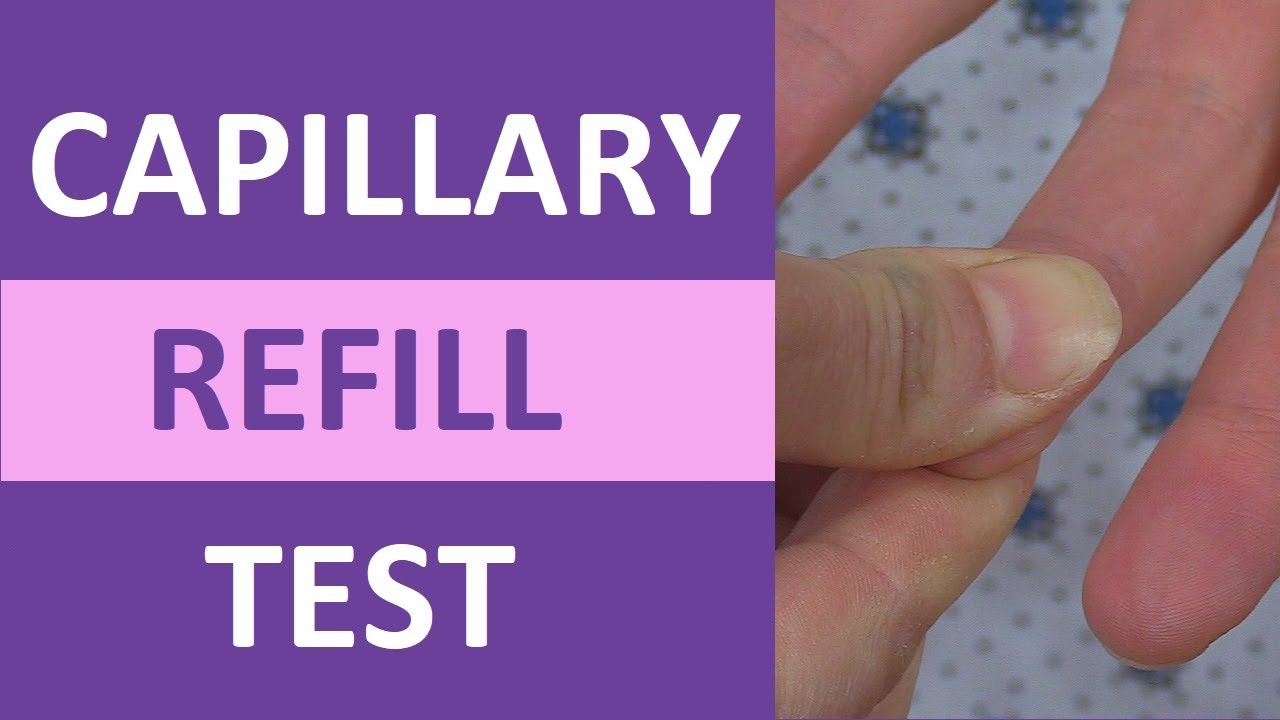
Capillary Refill Time Test Normal vs Abnormal Nursing Clinical Skills YouTube

How to measure capillary refill time in patients who are acutely ill Nursing Times
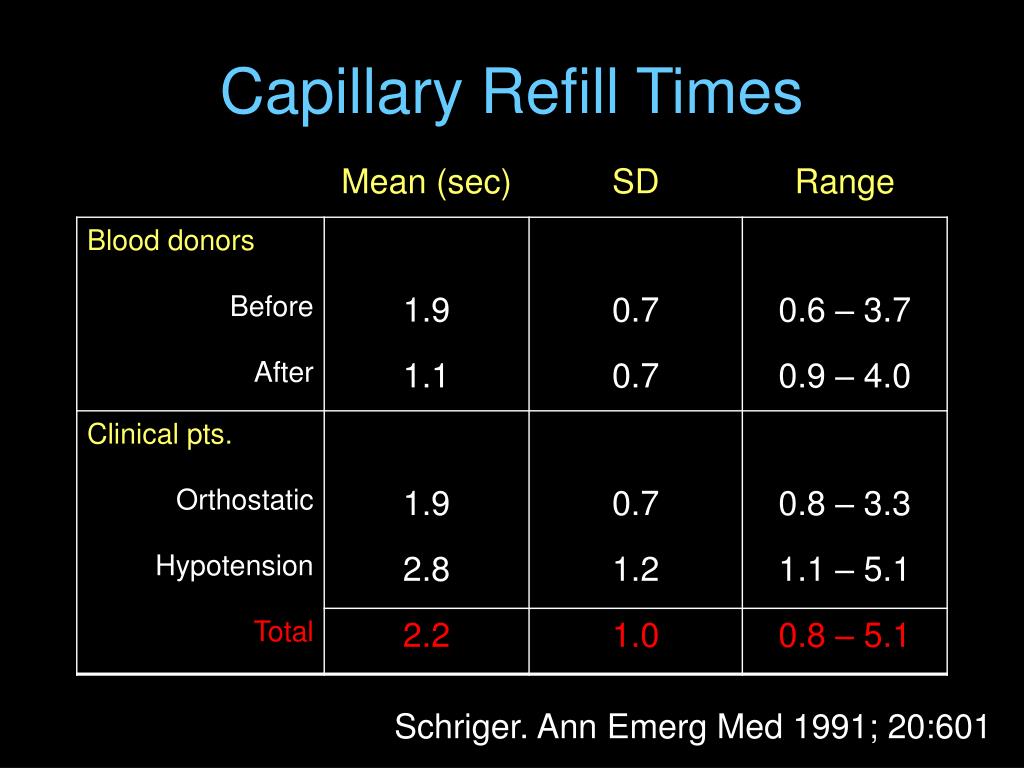
PPT How useful and sensitive are clinical findings in the diagnosis of shock? PowerPoint
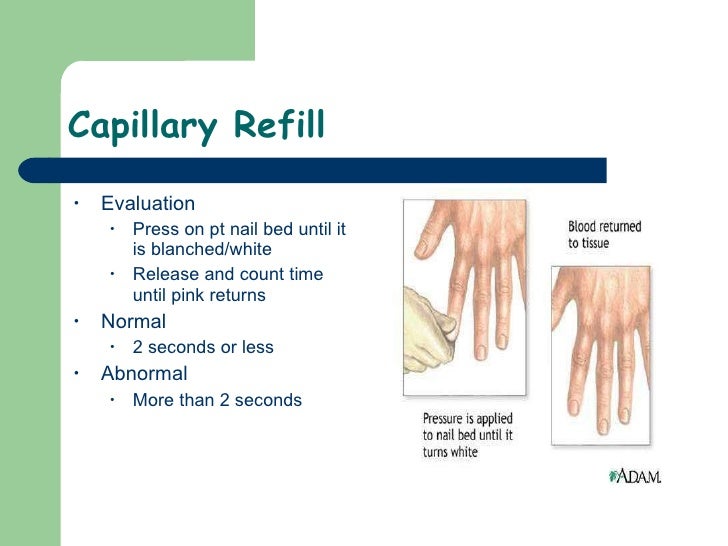
7)Baseline Vital Signs And Sample History
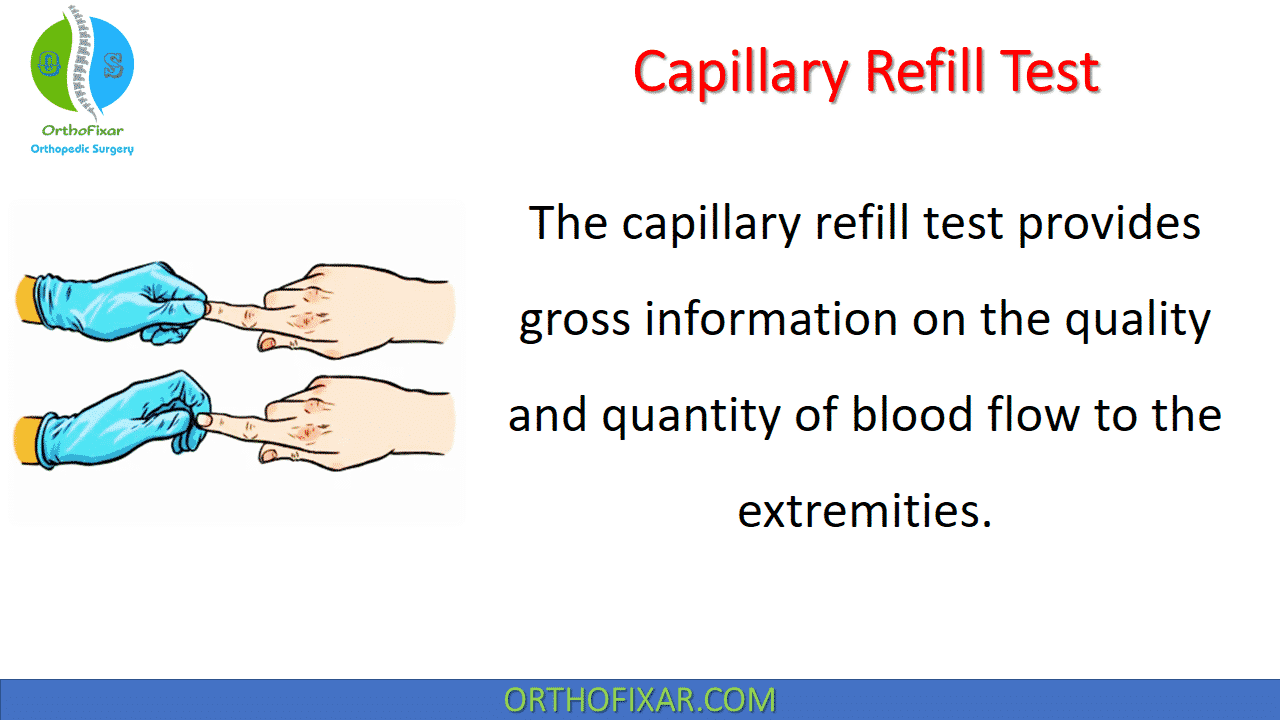
Capillary Refill Test & Time Easy Explained OrthoFixar 2025
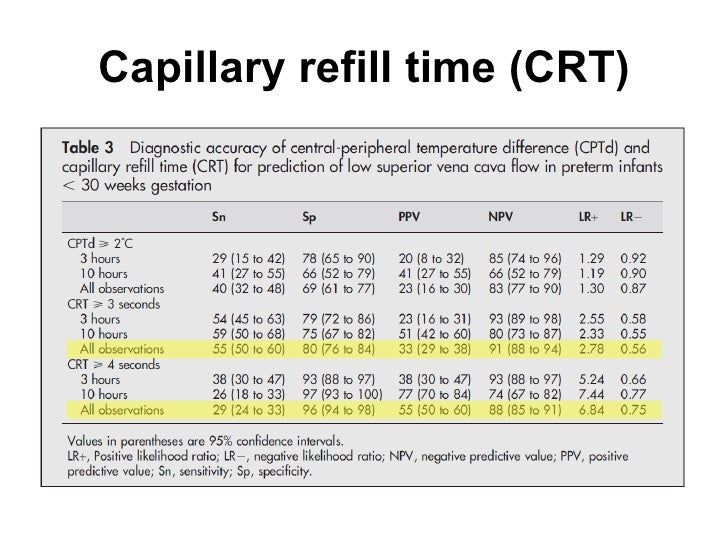
Monitoring of Neonatal Haemodynamics

Normal.capillary Refill at John Mellon blog
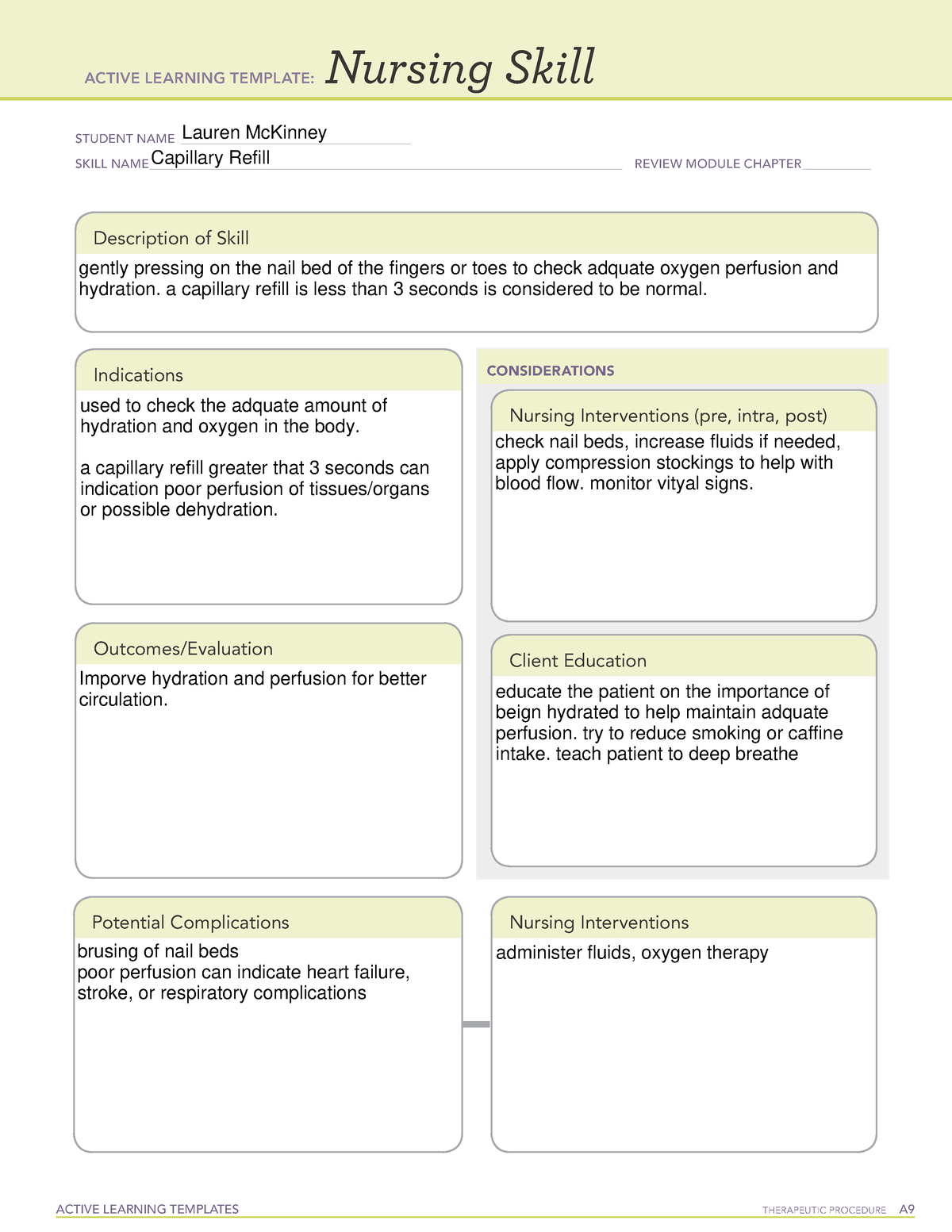
Capillary refillActive Learning Template Nursing Skill form ACTIVE LEARNING TEMPLATES
Significance of Capillary Refill Time MEDizzy
A Capillary Is A Microvessel, As Are Its Immediate Neighbors The Arterioles And Venules;
Capillaries Are Very Tiny Blood Vessels — So Small That A Single Red Blood Cell Can Barely Fit Through Them.
The Meaning Of Capillary Is Resembling A Hair Especially In Slender Elongated Form.
In The Circulatory System, One Of The Minute Vessels Connecting Arterioles And Venules, The Walls Of Which Act As A Semipermeable Membrane For.
Related Post: