
Binoculars Size Chart
Binoculars Size Chart - The magnification number on a pair of. For example, one of the most common magnification and objective sizes is the 10×42 (spoken. Choose the right size and magnification to enhance your outdoor experience. The numbers on binoculars indicate the magnification and size of the objective lens. Next, we’ll cover the best specifications for different hobbies (like bird watching or stargazing) and. The exact size can be measured by dividing the objective lens by the magnification of the binoculars. A 10×50, for example, would have an exit pupil of 5 and a 7 x 42 binocular would. Magnification charts compare and contrast the different sizes of binoculars and their lenses to determine which pairs are the most useful for which hobbies. Explore our binoculars size chart to find the perfect fit for your needs. In 8x42 binoculars, for example, 8 is the magnification power and. A 10×50, for example, would have an exit pupil of 5 and a 7 x 42 binocular would. The numbers on binoculars indicate the magnification and size of the objective lens. The exact size can be measured by dividing the objective lens by the magnification of the binoculars. The magnification number on a pair of. Next, we’ll cover the best specifications for different hobbies (like bird watching or stargazing) and. Magnification charts compare and contrast the different sizes of binoculars and their lenses to determine which pairs are the most useful for which hobbies. Model numbers on binoculars essentially tell you their strength (magnification power) and size (objective lens diameter). Binocular magnification is the degree to which an object appears larger when viewed through a pair of binoculars compared to the naked eye. Choose the right size and magnification to enhance your outdoor experience. In 8x42 binoculars, for example, 8 is the magnification power and. The exact size can be measured by dividing the objective lens by the magnification of the binoculars. In 8x42 binoculars, for example, 8 is the magnification power and. Binocular magnification is the degree to which an object appears larger when viewed through a pair of binoculars compared to the naked eye. Explore our binoculars size chart to find the perfect. The magnification number on a pair of. In 8x42 binoculars, for example, 8 is the magnification power and. Choose the right size and magnification to enhance your outdoor experience. Binocular magnification is the degree to which an object appears larger when viewed through a pair of binoculars compared to the naked eye. The exact size can be measured by dividing. Next, we’ll cover the best specifications for different hobbies (like bird watching or stargazing) and. The numbers on binoculars indicate the magnification and size of the objective lens. In this guide, we’ll talk about the ins and outs of binocular strength and size. Magnification charts compare and contrast the different sizes of binoculars and their lenses to determine which pairs. Model numbers on binoculars essentially tell you their strength (magnification power) and size (objective lens diameter). Binocular magnification is the degree to which an object appears larger when viewed through a pair of binoculars compared to the naked eye. Choose the right size and magnification to enhance your outdoor experience. In 8x42 binoculars, for example, 8 is the magnification power. The numbers on binoculars indicate the magnification and size of the objective lens. The magnification number on a pair of. Next, we’ll cover the best specifications for different hobbies (like bird watching or stargazing) and. A 10×50, for example, would have an exit pupil of 5 and a 7 x 42 binocular would. Binocular magnification is the degree to which. Magnification charts compare and contrast the different sizes of binoculars and their lenses to determine which pairs are the most useful for which hobbies. A 10×50, for example, would have an exit pupil of 5 and a 7 x 42 binocular would. In 8x42 binoculars, for example, 8 is the magnification power and. Choose the right size and magnification to. Model numbers on binoculars essentially tell you their strength (magnification power) and size (objective lens diameter). Explore our binoculars size chart to find the perfect fit for your needs. The magnification number on a pair of. In this guide, we’ll talk about the ins and outs of binocular strength and size. The exact size can be measured by dividing the. A 10×50, for example, would have an exit pupil of 5 and a 7 x 42 binocular would. In this guide, we’ll talk about the ins and outs of binocular strength and size. The numbers on binoculars indicate the magnification and size of the objective lens. Choose the right size and magnification to enhance your outdoor experience. Binocular magnification is. Model numbers on binoculars essentially tell you their strength (magnification power) and size (objective lens diameter). Magnification charts compare and contrast the different sizes of binoculars and their lenses to determine which pairs are the most useful for which hobbies. The magnification number on a pair of. The exact size can be measured by dividing the objective lens by the. For example, one of the most common magnification and objective sizes is the 10×42 (spoken. Binocular magnification is the degree to which an object appears larger when viewed through a pair of binoculars compared to the naked eye. Explore our binoculars size chart to find the perfect fit for your needs. In this guide, we’ll talk about the ins and. Magnification charts compare and contrast the different sizes of binoculars and their lenses to determine which pairs are the most useful for which hobbies. In 8x42 binoculars, for example, 8 is the magnification power and. In this guide, we’ll talk about the ins and outs of binocular strength and size. Choose the right size and magnification to enhance your outdoor experience. The numbers on binoculars indicate the magnification and size of the objective lens. A 10×50, for example, would have an exit pupil of 5 and a 7 x 42 binocular would. The exact size can be measured by dividing the objective lens by the magnification of the binoculars. Binocular magnification is the degree to which an object appears larger when viewed through a pair of binoculars compared to the naked eye. For example, one of the most common magnification and objective sizes is the 10×42 (spoken. The magnification number on a pair of.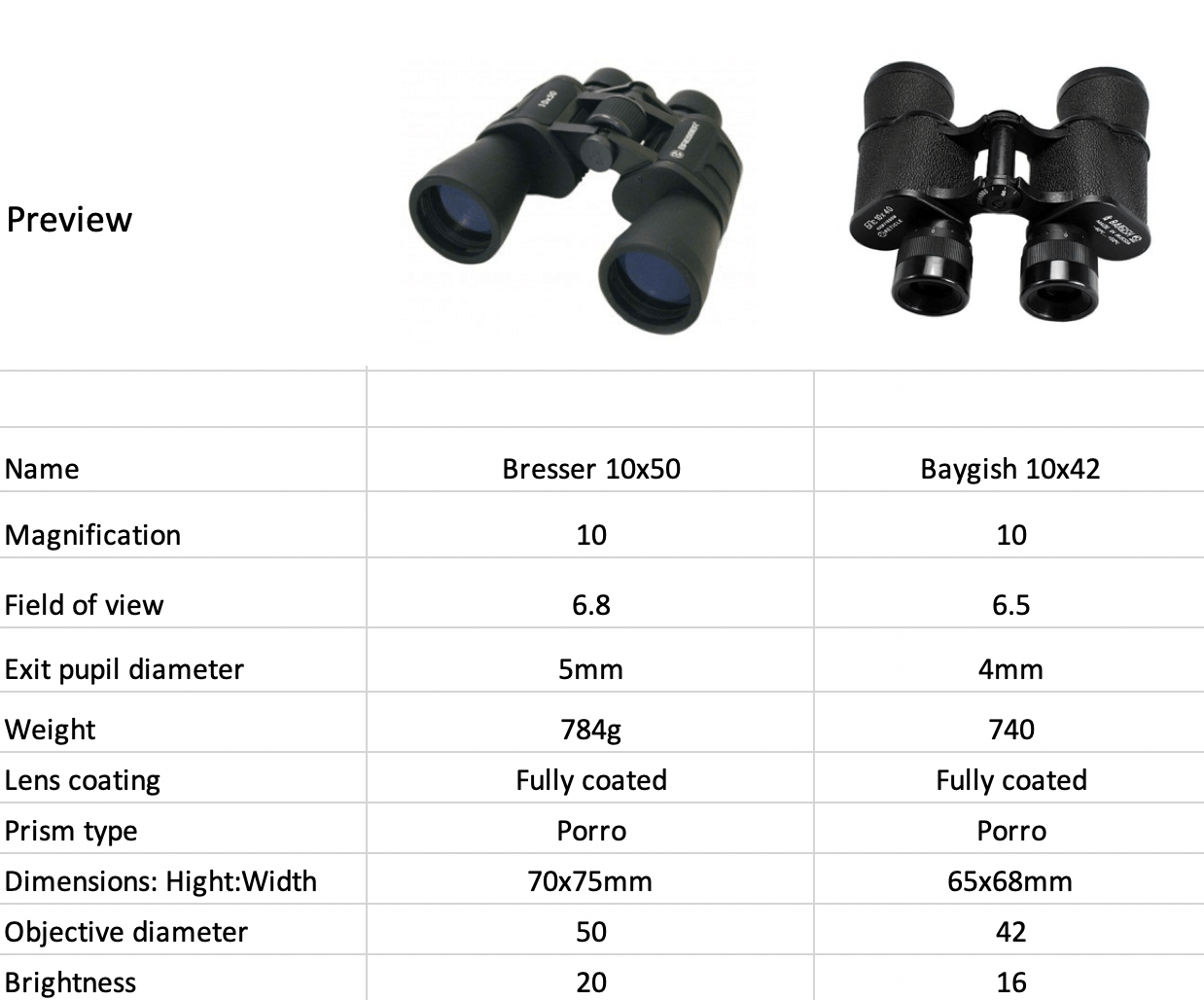
10×42 vs 10×50 Binoculars. Which is Best? BINOCULARS GUIDES
![Vortex Diamondback 10x42 Review [Top Selling High Quality Binoculars]](https://www.targettamers.com/wp-content/uploads/2016/09/Vortex_Diamondback_10x42_Comparisons.png)
Vortex Diamondback 10x42 Review [Top Selling High Quality Binoculars]
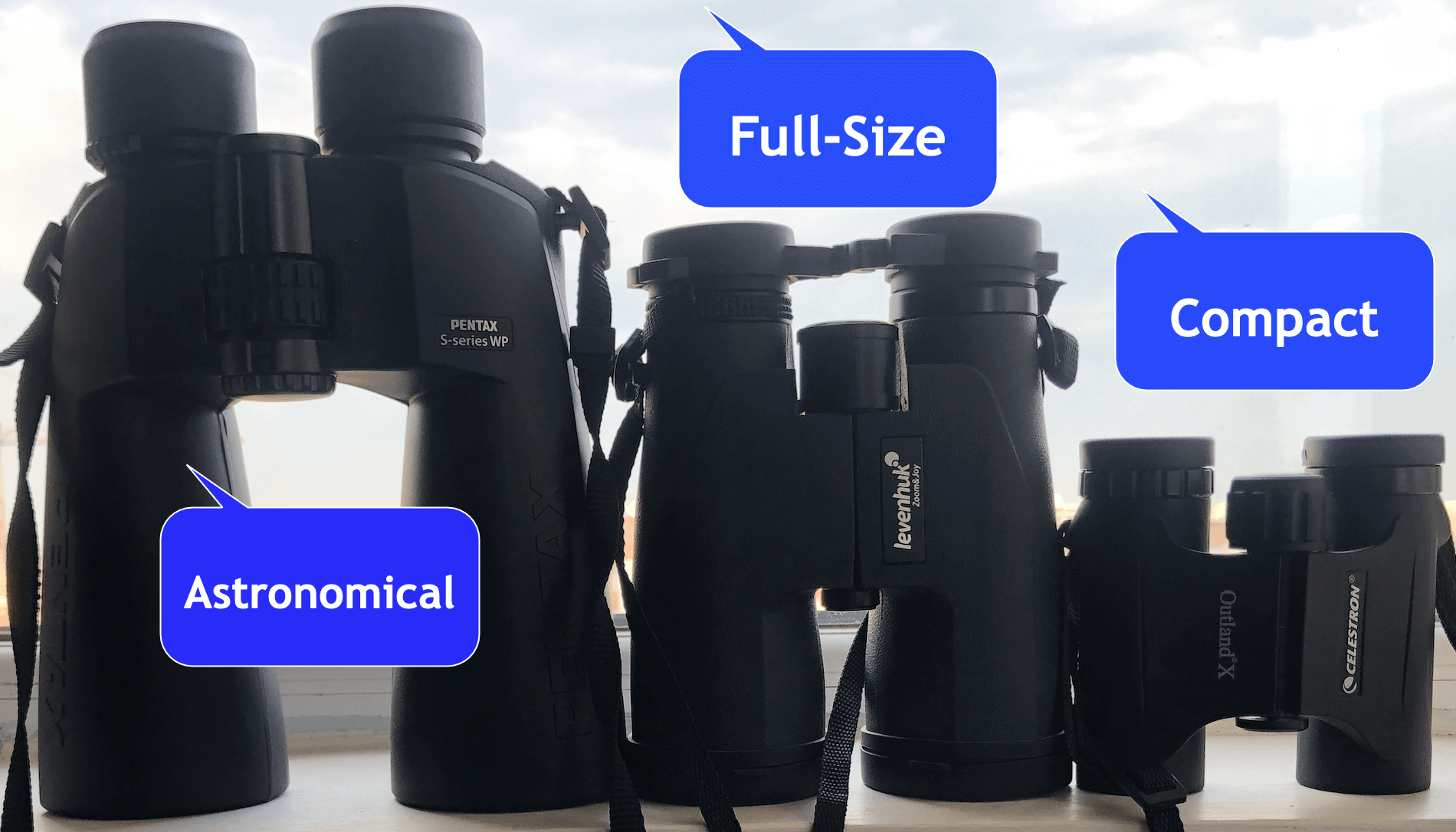
Compact vs Full Size Binoculars Definitive Guide BINOCULARS GUIDES

How To Choose Binoculars Confidently Buy The Right Binoculars For You
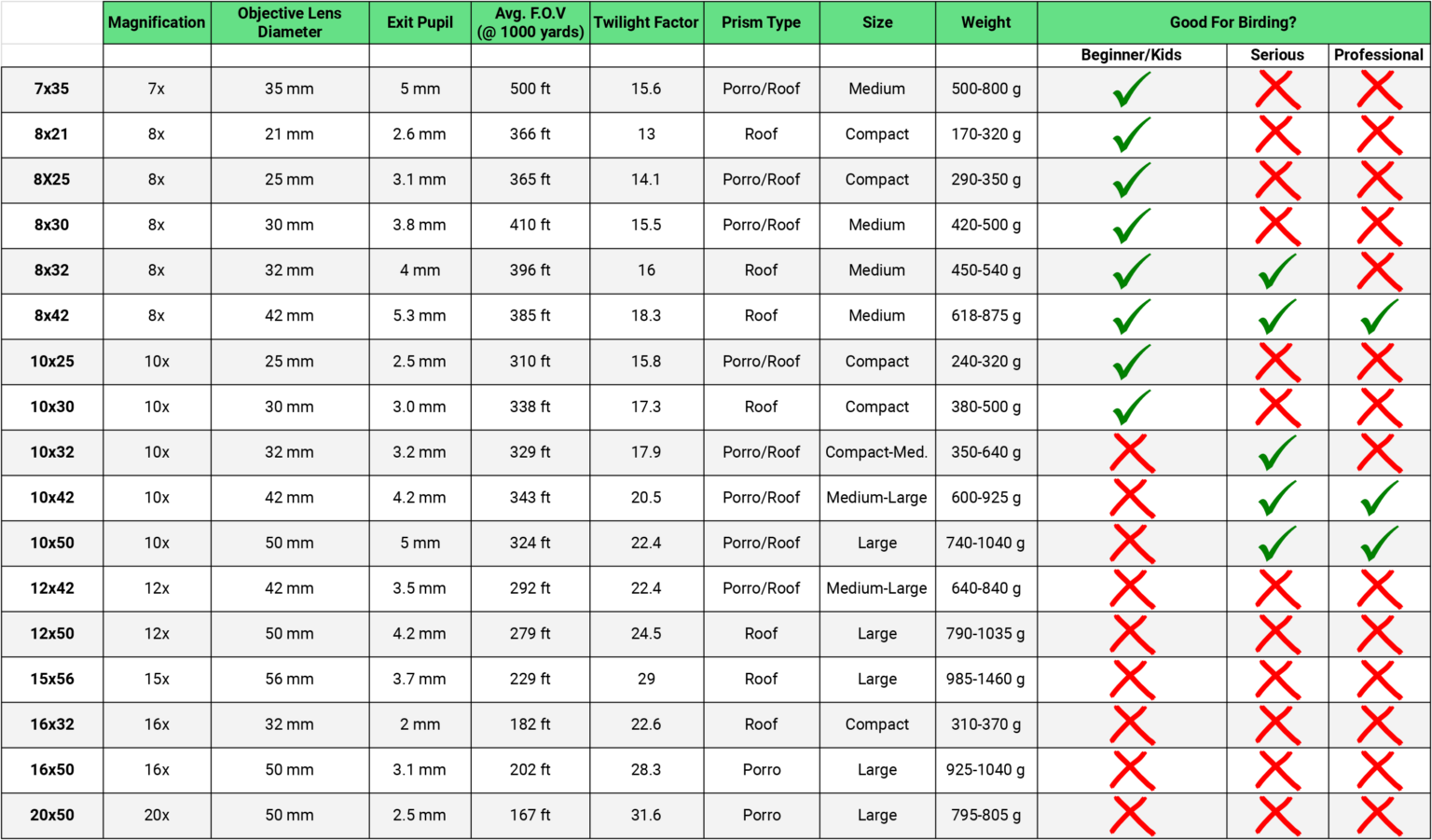
Binocular Magnification Chart For Birders With Easy Explanations
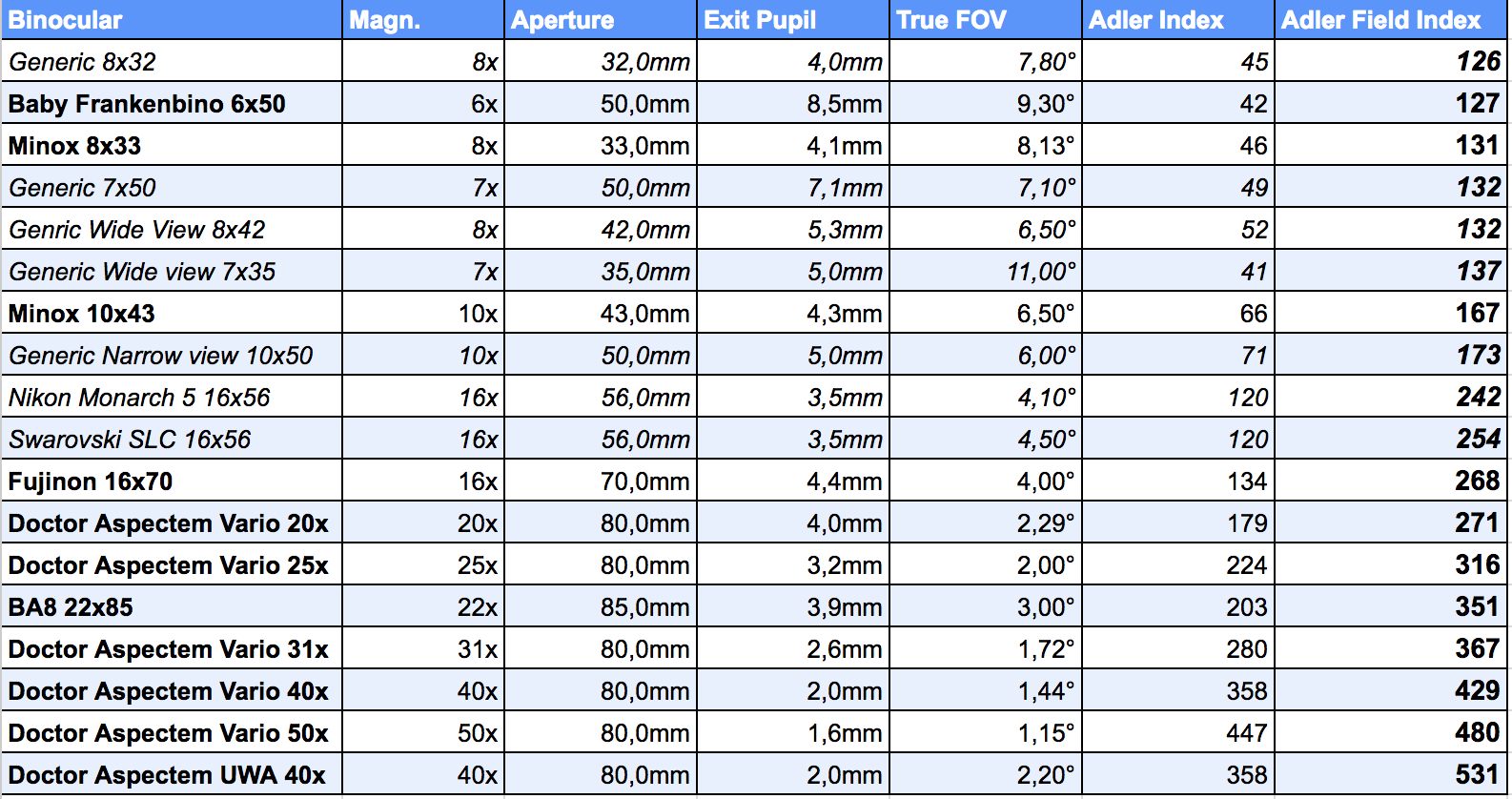
Binocular magnification chart resmiles
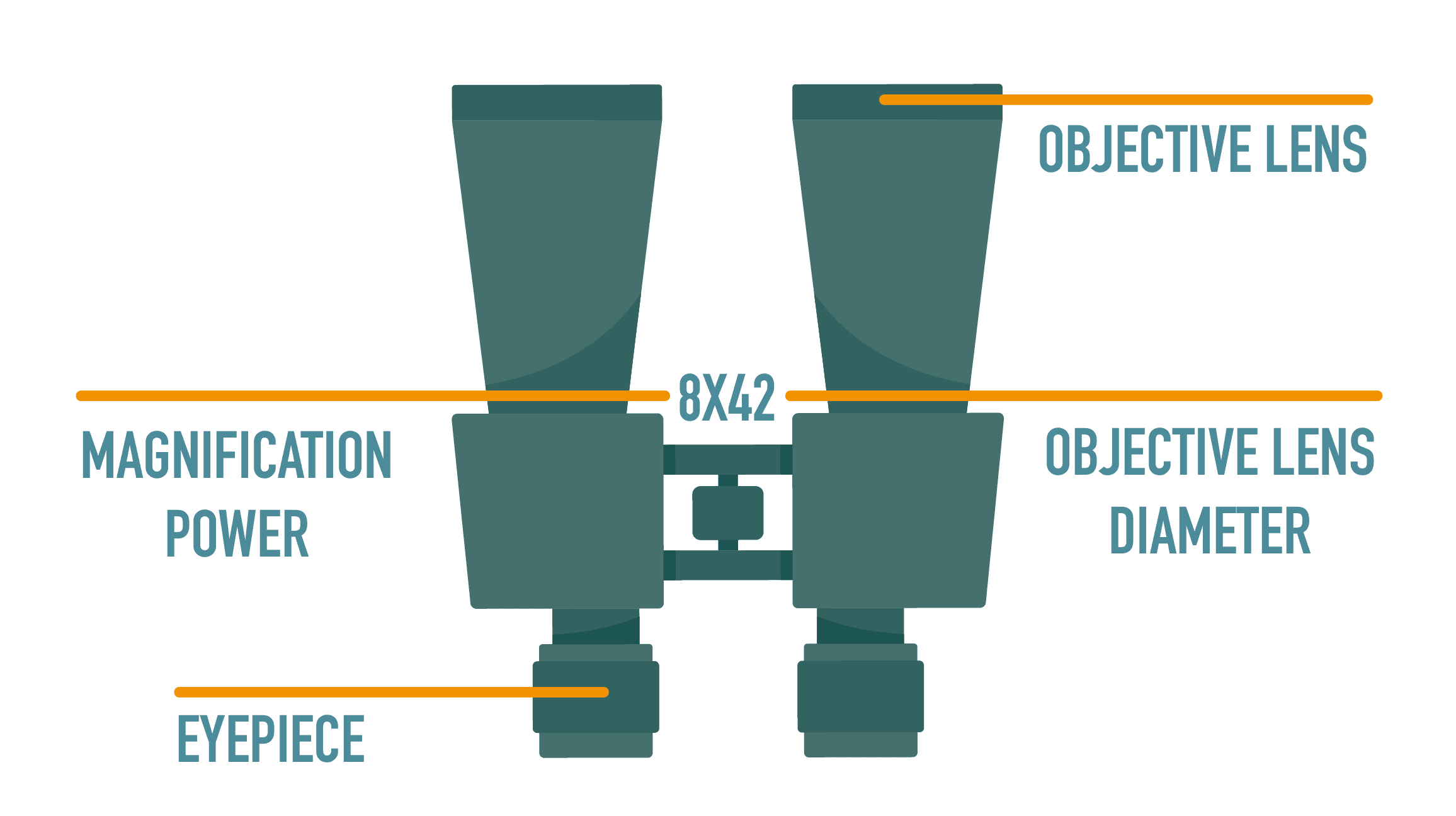
8×42 vs 10×42 Binoculars (What Should You Choose?) Optics Mag
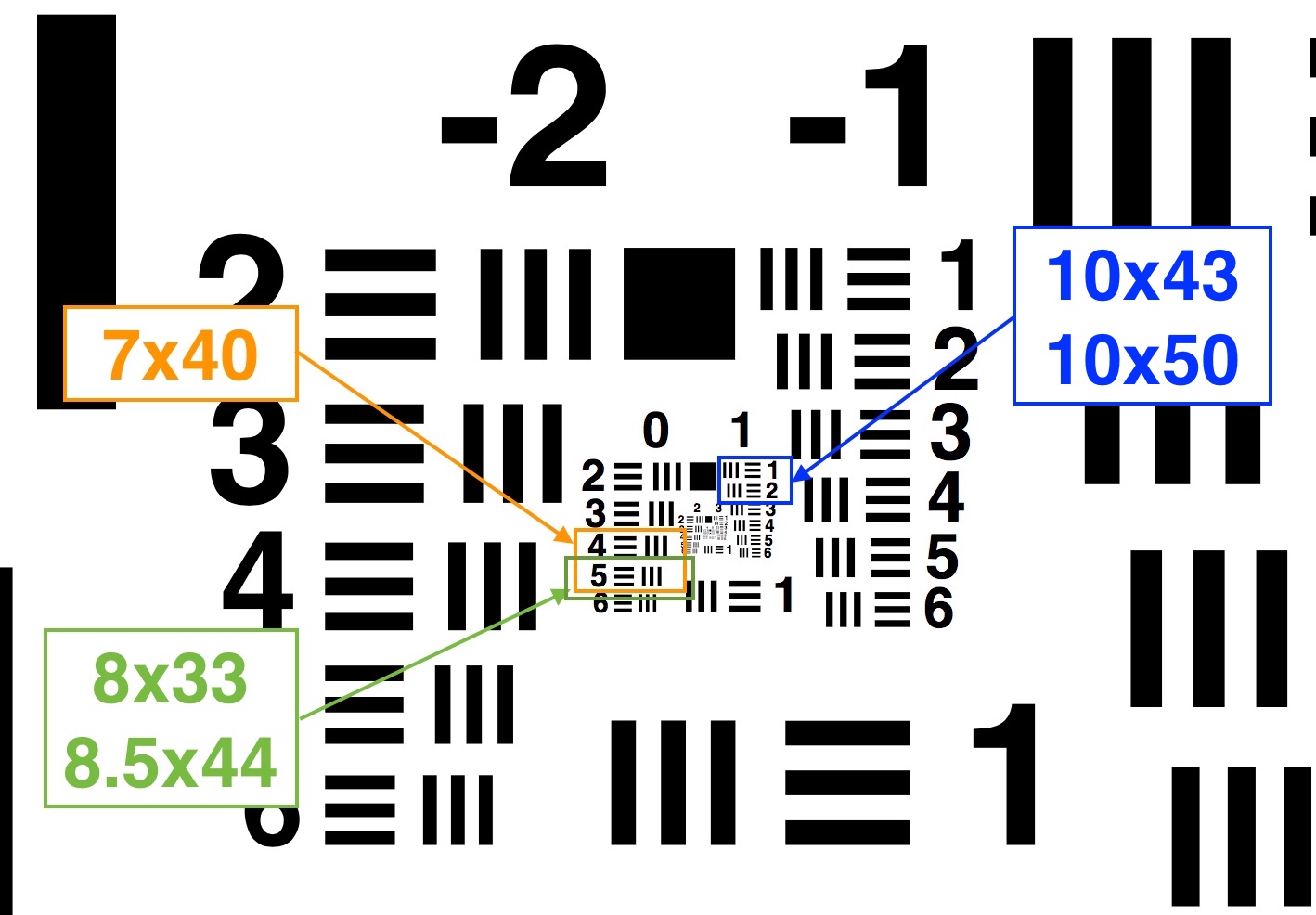
Binoculars Size Chart at Dorla Walker blog
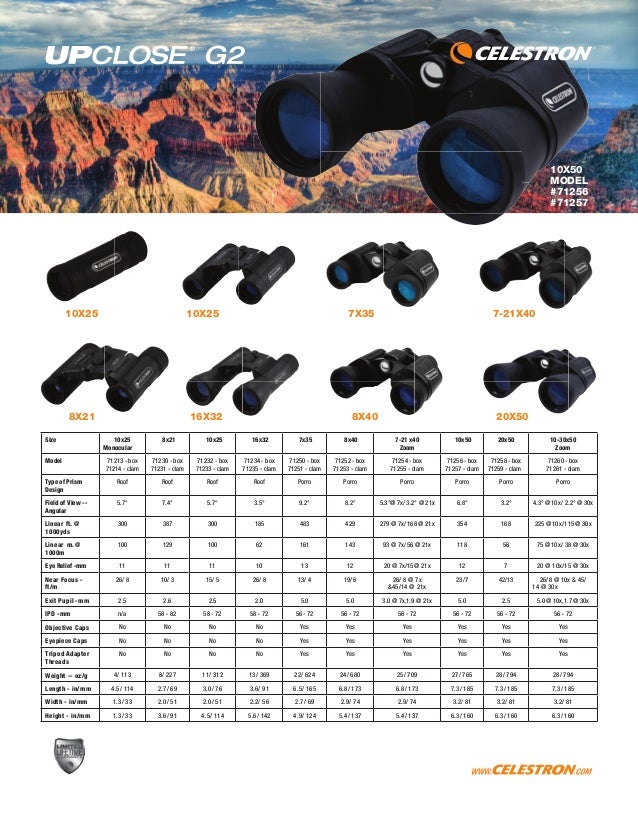
Technical data Celestron UpClose G2 Binoculars Optics Trade

How to Find a Great Binocular on a Budget
Next, We’ll Cover The Best Specifications For Different Hobbies (Like Bird Watching Or Stargazing) And.
Explore Our Binoculars Size Chart To Find The Perfect Fit For Your Needs.
Model Numbers On Binoculars Essentially Tell You Their Strength (Magnification Power) And Size (Objective Lens Diameter).
Related Post: