
Animalia Chart
Animalia Chart - Animalia the kingdom animalia, or metazoa, includes all animals. Rotifera the 1,500 to 2,000 species in the phylum rotifera, like other members of the kingdom animalia, are multicellular, heterotrophic (dependent on other organisms for. This kingdom, which is also designated as monera, includes all bacteria and blue. These form the kingdoms plantae (plants), animalia (animals), fungi, and protista. Animals are multicellular, eukaryotic organisms, which are heterotrophic, meaning they obtain nutrition. Duckweed, any plant of the genus lemna and sometimes of related genera. Porifera (spongiaria, sponges) a phylum of aquatic animalia, most of which are marine. Animal animals are creatures in the kingdom animalia, one of the five major divisions of organisms (the others are: Eukarya the superkingdom or domain comprising all eukaryotes. Animal ecology concerns the relationships of individuals to their environments, including physical factors and other organisms, and the consequences of these relationships for evolution,. Prokaryotae prokaryote is a kingdom, or division, in the classification scheme devised for all life on earth. Monera or bacteria , fungi , protists or protozoans, and. Animal ecology concerns the relationships of individuals to their environments, including physical factors and other organisms, and the consequences of these relationships for evolution,. These form the kingdoms plantae (plants), animalia (animals), fungi, and protista. Invertebrates invertebrates are animals without backbones. Rotifera the 1,500 to 2,000 species in the phylum rotifera, like other members of the kingdom animalia, are multicellular, heterotrophic (dependent on other organisms for. Duckweeds are tiny floating or submerged aquatic plants with reduced or obsolete roots. Duckweed, any plant of the genus lemna and sometimes of related genera. Porifera (spongiaria, sponges) a phylum of aquatic animalia, most of which are marine. Animal animals are creatures in the kingdom animalia, one of the five major divisions of organisms (the others are: Animal ecology concerns the relationships of individuals to their environments, including physical factors and other organisms, and the consequences of these relationships for evolution,. Rotifera the 1,500 to 2,000 species in the phylum rotifera, like other members of the kingdom animalia, are multicellular, heterotrophic (dependent on other organisms for. These form the kingdoms plantae (plants), animalia (animals), fungi, and protista.. Eukarya the superkingdom or domain comprising all eukaryotes. Animal ecology concerns the relationships of individuals to their environments, including physical factors and other organisms, and the consequences of these relationships for evolution,. Animal animals are creatures in the kingdom animalia, one of the five major divisions of organisms (the others are: Invertebrates invertebrates are animals without backbones. These form the. These form the kingdoms plantae (plants), animalia (animals), fungi, and protista. Eukarya the superkingdom or domain comprising all eukaryotes. Animalia the kingdom animalia, or metazoa, includes all animals. Animal ecology concerns the relationships of individuals to their environments, including physical factors and other organisms, and the consequences of these relationships for evolution,. Rotifera the 1,500 to 2,000 species in the. Porifera (spongiaria, sponges) a phylum of aquatic animalia, most of which are marine. Duckweed, any plant of the genus lemna and sometimes of related genera. Duckweeds are tiny floating or submerged aquatic plants with reduced or obsolete roots. Rotifera the 1,500 to 2,000 species in the phylum rotifera, like other members of the kingdom animalia, are multicellular, heterotrophic (dependent on. Animalia the kingdom animalia, or metazoa, includes all animals. Animal animals are creatures in the kingdom animalia, one of the five major divisions of organisms (the others are: Animal ecology concerns the relationships of individuals to their environments, including physical factors and other organisms, and the consequences of these relationships for evolution,. Porifera (spongiaria, sponges) a phylum of aquatic animalia,. This kingdom, which is also designated as monera, includes all bacteria and blue. Eukarya the superkingdom or domain comprising all eukaryotes. Prokaryotae prokaryote is a kingdom, or division, in the classification scheme devised for all life on earth. These form the kingdoms plantae (plants), animalia (animals), fungi, and protista. Animal ecology concerns the relationships of individuals to their environments, including. Eukarya the superkingdom or domain comprising all eukaryotes. Duckweeds are tiny floating or submerged aquatic plants with reduced or obsolete roots. Monera or bacteria , fungi , protists or protozoans, and. This kingdom, which is also designated as monera, includes all bacteria and blue. Porifera (spongiaria, sponges) a phylum of aquatic animalia, most of which are marine. Porifera (spongiaria, sponges) a phylum of aquatic animalia, most of which are marine. Animals are multicellular, eukaryotic organisms, which are heterotrophic, meaning they obtain nutrition. Animal ecology concerns the relationships of individuals to their environments, including physical factors and other organisms, and the consequences of these relationships for evolution,. Prokaryotae prokaryote is a kingdom, or division, in the classification scheme. Eukarya the superkingdom or domain comprising all eukaryotes. Monera or bacteria , fungi , protists or protozoans, and. This kingdom, which is also designated as monera, includes all bacteria and blue. Animal animals are creatures in the kingdom animalia, one of the five major divisions of organisms (the others are: Invertebrates invertebrates are animals without backbones. Duckweeds are tiny floating or submerged aquatic plants with reduced or obsolete roots. Animal ecology concerns the relationships of individuals to their environments, including physical factors and other organisms, and the consequences of these relationships for evolution,. Animalia the kingdom animalia, or metazoa, includes all animals. Animal animals are creatures in the kingdom animalia, one of the five major divisions. Animal animals are creatures in the kingdom animalia, one of the five major divisions of organisms (the others are: Prokaryotae prokaryote is a kingdom, or division, in the classification scheme devised for all life on earth. Animal ecology concerns the relationships of individuals to their environments, including physical factors and other organisms, and the consequences of these relationships for evolution,. This kingdom, which is also designated as monera, includes all bacteria and blue. Rotifera the 1,500 to 2,000 species in the phylum rotifera, like other members of the kingdom animalia, are multicellular, heterotrophic (dependent on other organisms for. Duckweed, any plant of the genus lemna and sometimes of related genera. Eukarya the superkingdom or domain comprising all eukaryotes. Porifera (spongiaria, sponges) a phylum of aquatic animalia, most of which are marine. Duckweeds are tiny floating or submerged aquatic plants with reduced or obsolete roots. Animals are multicellular, eukaryotic organisms, which are heterotrophic, meaning they obtain nutrition. These form the kingdoms plantae (plants), animalia (animals), fungi, and protista.
PPT Kingdom Animalia PowerPoint Presentation, free download ID1193342

Animalia Phylum Chart

kingdom of animalia classification

Animalia Phylum Chart
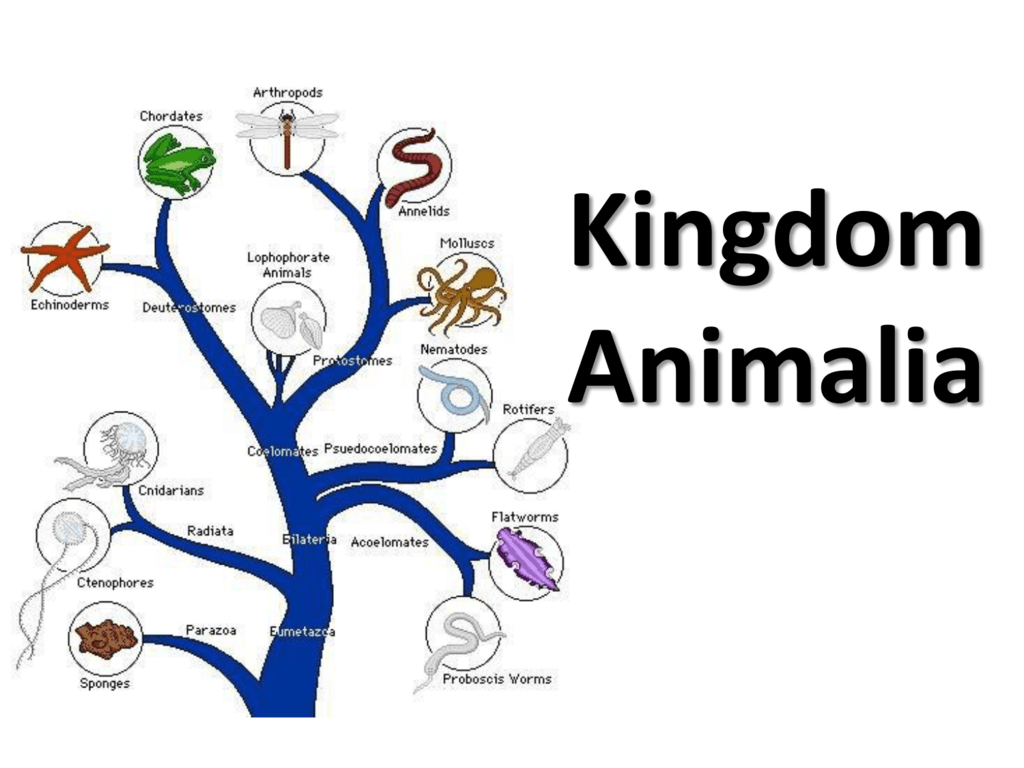
Animalia Kingdom
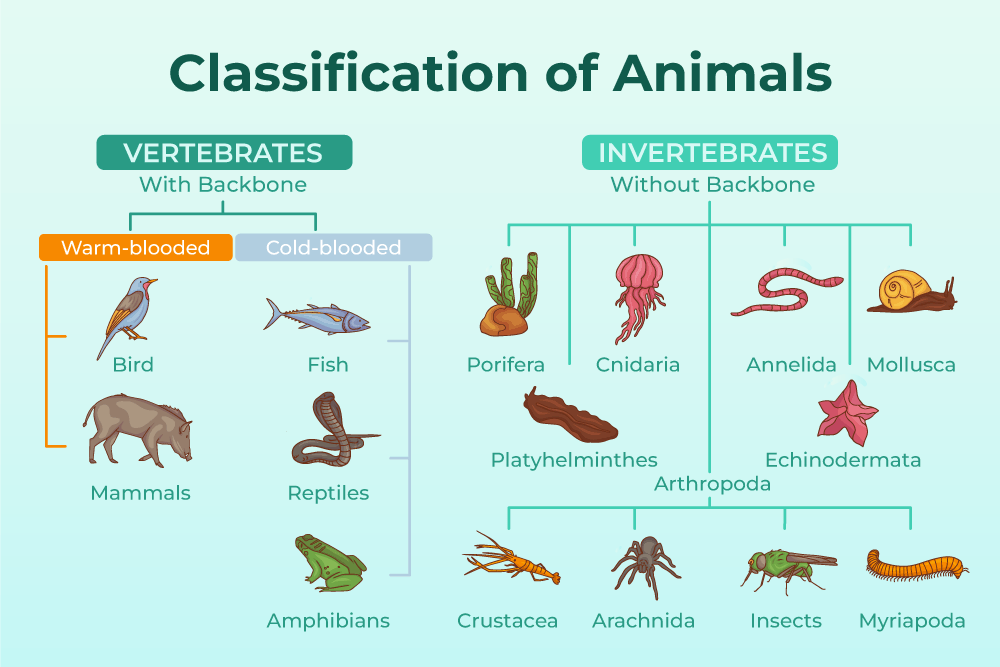
Classification of Animals
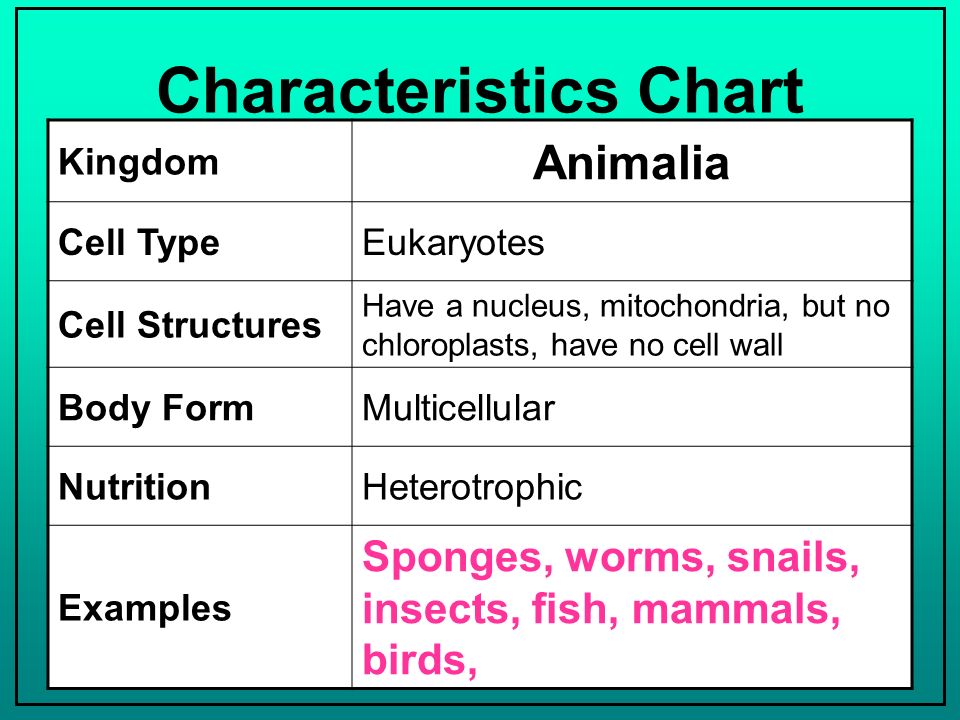
Kingdom Animalia Characteristics Chart Ponasa
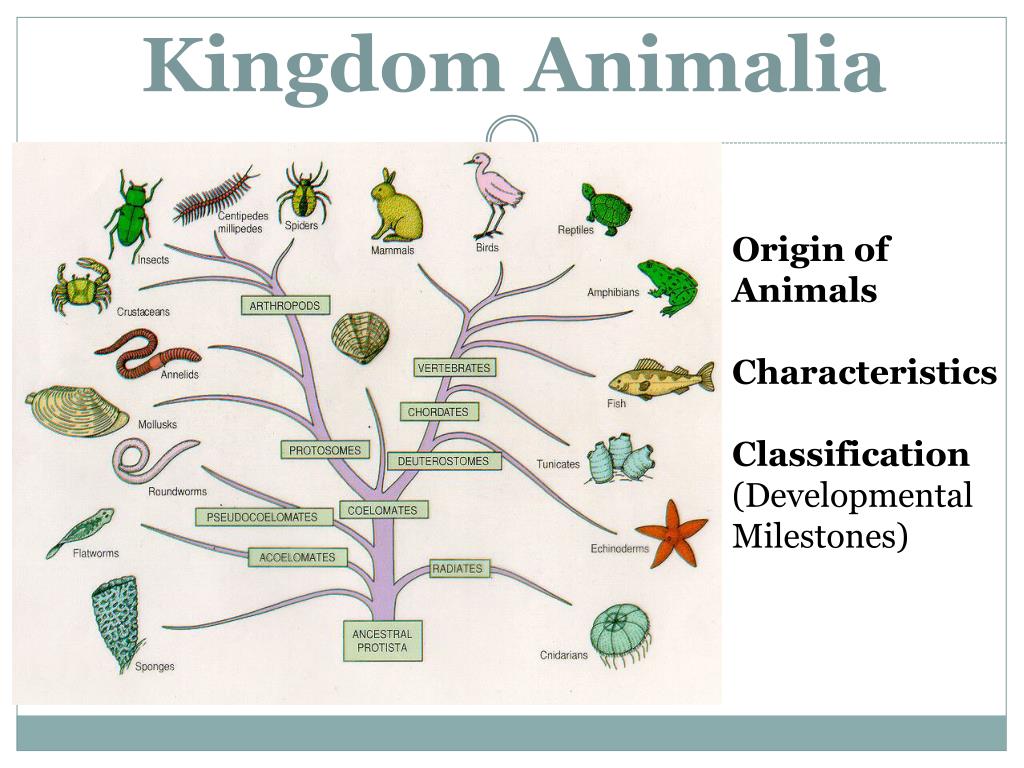
PPT Kingdom Animalia PowerPoint Presentation, free download ID2046858

Kingdom animalia classification characteristics and evolution Artofit

A simplified tree of the kingdom Animalia showing only the... Download Scientific
Invertebrates Invertebrates Are Animals Without Backbones.
Animalia The Kingdom Animalia, Or Metazoa, Includes All Animals.
Monera Or Bacteria , Fungi , Protists Or Protozoans, And.
Related Post: