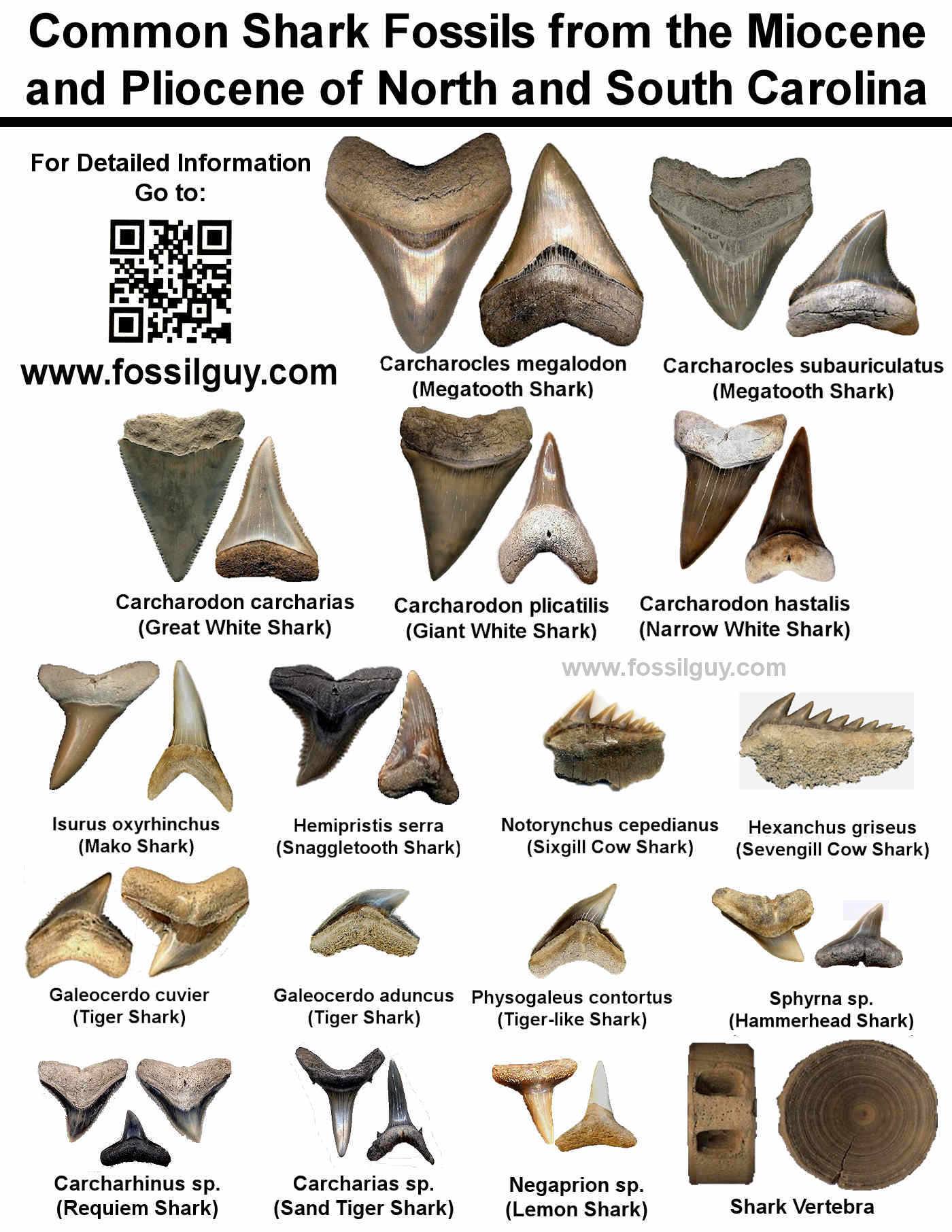
Shark Tooth Identification Chart
Shark Tooth Identification Chart - Shark teeth range in size from microscopic to 6+ inches! Their teeth are designed to help catch and eat their specific prey. Sharks lose a lot of teeth, many of which can be found on beaches. The biggest teeth face outwards, and when they are lost, smaller teeth in the back move up as. Fossil shark teeth, the most collected fossil in the world, are the most common fossil found in the neighboring phosphate mine. Decide whether the statement in the first box (1a) or the the second box (1b) best describes the characteristics of the fossil tooth you are trying to identify. Identification of shark teeth without the shark they came from can be difficult, but, with the help. 🦈 this comprehensive guide offers tips for enthusiasts, explains tooth morphology, and highlights their ecological importance. Discover the secrets of identifying shark teeth! Tooth shape depends on the shark's diet. While shark teeth are subtly unique to each other, the teeth that you might find will most likely be black, or another similar dark color. Each species of shark has unique and distinct teeth that allow them to survive and thrive in their environment. To identify these shark teeth: There are also over 500 different species of sharks. As the perfect aquatic predator, sharks have rows of teeth like a conveyor belt: Shark teeth range in size from microscopic to 6+ inches! Their teeth are designed to help catch and eat their specific prey. They will also probably be smaller, between. Sharks lose a lot of teeth, many of which can be found on beaches. Identification of shark teeth without the shark they came from can be difficult, but, with the help. Their teeth are designed to help catch and eat their specific prey. They will also probably be smaller, between. To identify these shark teeth: Discover how to identify several different types of shark teeth, as well as learn about why sharks lose their teeth! Discover the secrets of identifying shark teeth! The biggest teeth face outwards, and when they are lost, smaller teeth in the back move up as. Fossil shark teeth, the most collected fossil in the world, are the most common fossil found in the neighboring phosphate mine. 🦈 this comprehensive guide offers tips for enthusiasts, explains tooth morphology, and highlights their ecological importance. Their teeth are designed to. Each species of shark has unique and distinct teeth that allow them to survive and thrive in their environment. 🦈 this comprehensive guide offers tips for enthusiasts, explains tooth morphology, and highlights their ecological importance. They will also probably be smaller, between. While shark teeth are subtly unique to each other, the teeth that you might find will most likely. Their teeth are designed to help catch and eat their specific prey. Shark teeth range in size from microscopic to 6+ inches! Discover the secrets of identifying shark teeth! Tooth shape depends on the shark's diet. While shark teeth are subtly unique to each other, the teeth that you might find will most likely be black, or another similar dark. Fossil shark teeth, the most collected fossil in the world, are the most common fossil found in the neighboring phosphate mine. There are also over 500 different species of sharks. To identify these shark teeth: Decide whether the statement in the first box (1a) or the the second box (1b) best describes the characteristics of the fossil tooth you are. The biggest teeth face outwards, and when they are lost, smaller teeth in the back move up as. Each species of shark has unique and distinct teeth that allow them to survive and thrive in their environment. Discover how to identify several different types of shark teeth, as well as learn about why sharks lose their teeth! While shark teeth. Tooth shape depends on the shark's diet. Their teeth are designed to help catch and eat their specific prey. They will also probably be smaller, between. Fossil shark teeth, the most collected fossil in the world, are the most common fossil found in the neighboring phosphate mine. Shark teeth range in size from microscopic to 6+ inches! Discover how to identify several different types of shark teeth, as well as learn about why sharks lose their teeth! 🦈 this comprehensive guide offers tips for enthusiasts, explains tooth morphology, and highlights their ecological importance. Identification of shark teeth without the shark they came from can be difficult, but, with the help. Tooth shape depends on the shark's diet.. Decide whether the statement in the first box (1a) or the the second box (1b) best describes the characteristics of the fossil tooth you are trying to identify. Discover how to identify several different types of shark teeth, as well as learn about why sharks lose their teeth! Sharks lose a lot of teeth, many of which can be found. Shark teeth range in size from microscopic to 6+ inches! Their teeth are designed to help catch and eat their specific prey. There are also over 500 different species of sharks. Decide whether the statement in the first box (1a) or the the second box (1b) best describes the characteristics of the fossil tooth you are trying to identify. The. Fossil shark teeth, the most collected fossil in the world, are the most common fossil found in the neighboring phosphate mine. As the perfect aquatic predator, sharks have rows of teeth like a conveyor belt: Each species of shark has unique and distinct teeth that allow them to survive and thrive in their environment. Shark teeth range in size from microscopic to 6+ inches! They will also probably be smaller, between. 🦈 this comprehensive guide offers tips for enthusiasts, explains tooth morphology, and highlights their ecological importance. Their teeth are designed to help catch and eat their specific prey. While shark teeth are subtly unique to each other, the teeth that you might find will most likely be black, or another similar dark color. There are also over 500 different species of sharks. The biggest teeth face outwards, and when they are lost, smaller teeth in the back move up as. Discover how to identify several different types of shark teeth, as well as learn about why sharks lose their teeth! Identification of shark teeth without the shark they came from can be difficult, but, with the help. Discover the secrets of identifying shark teeth!
Shark Teeth Identification Chart Printable Free Templates
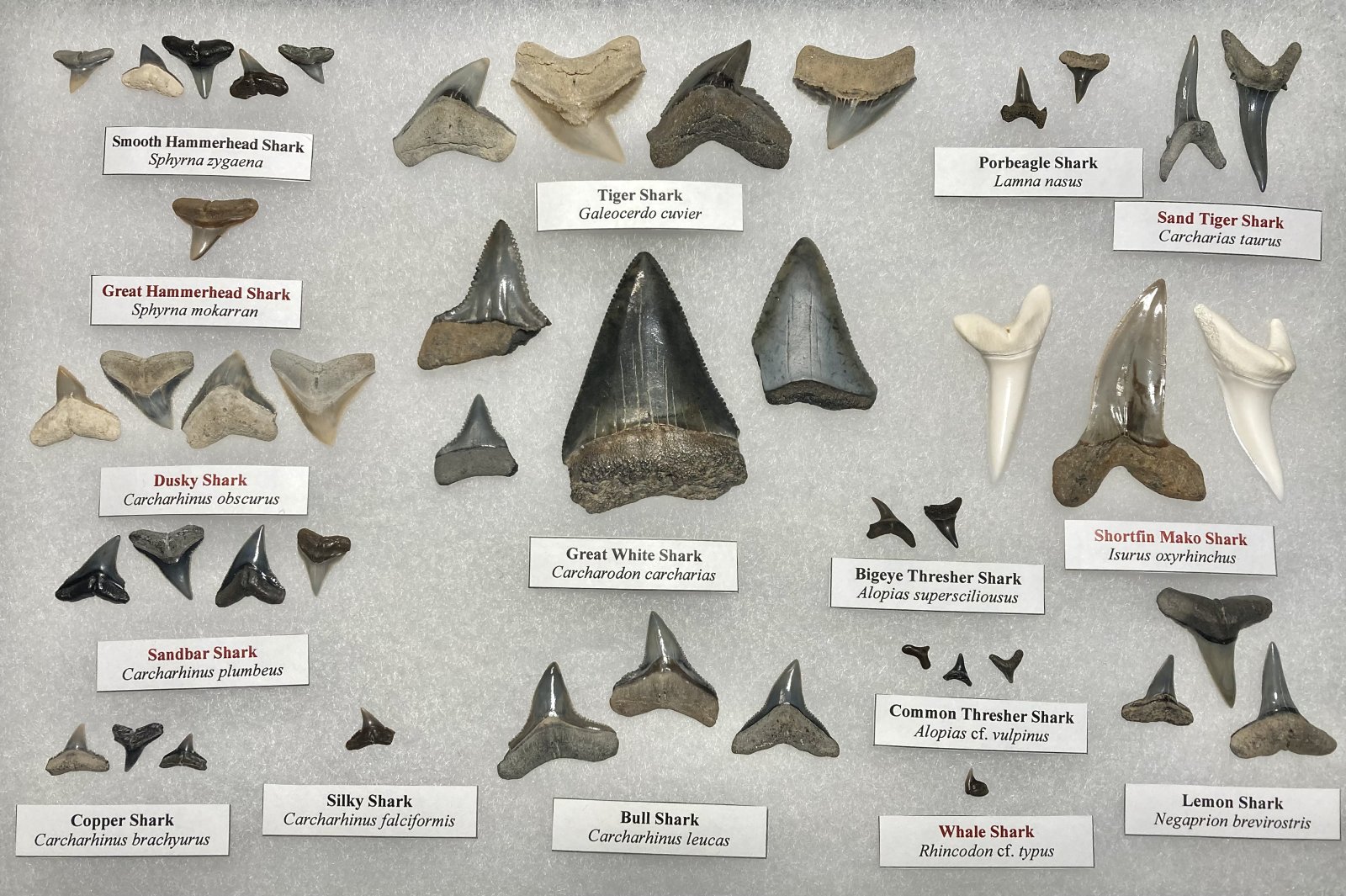
Shark Tooth Identification Chart
Shark Tooth Fossil Identification Chart at Derrick Tate blog
Shark Tooth Identification Chart

Shark Teeth Identification Guide at Lisette Webb blog

Shark Tooth Diagram identification sharks teeth chartsha

Sharks teeth identification chart. Shark tooth fossil, Shark teeth crafts, Shark teeth

Shark Tooth Identification Chart

Shark Tooth Identification Chart

Shark Tooth Diagram identification sharks teeth chartsha
To Identify These Shark Teeth:
Sharks Lose A Lot Of Teeth, Many Of Which Can Be Found On Beaches.
Tooth Shape Depends On The Shark's Diet.
Decide Whether The Statement In The First Box (1A) Or The The Second Box (1B) Best Describes The Characteristics Of The Fossil Tooth You Are Trying To Identify.
Related Post: