
Pinyin Chart With Sound
Pinyin Chart With Sound - When writing 不客气 in (pinyin): The standard chinese dictionary (《现代汉语词典》) lists xuè (fourth, not third, tone) as the official pronunciation and xiě as a colloquial variant. I'm learning a little chinese out of curiosity, and i have a basic question about the language as a whole, rather than a specific technical question about a particular word or character. How to compare the syllable structures (or pronunciations) of chinese (standard or pu3tong1hua4) with hangul (korea language)? When looking at the history of name changes, one of the most common changes to city names seems to be the replacement of k with j and q. As such, in most compounds. In pinyin the tone mark (diacritical mark) only goes on vowels. This mostly works fine, but sometimes windows seems. Otherwise, don't worry about it. If yes, do the same for the pinyin r and you will have perfect standard pronunciation. In this article here, it says, "the. This mostly works fine, but sometimes windows seems. 不 = bù 不客气 = bù kèqi because of the fourth tone of kè the pronunciation is bú kèqi. If there is only one vowel in a character's pinyin then the answer is easy, the tone mark just goes on the vowel. Can you tell the difference between english sh and pinyin sh? Pinyin's 声母 and 韵母 were translated as initials and finals in linguistics or phonology initials 语言学 语言学 【言语】词尾的 【音】(tonic note of church mode)(教堂调式. Otherwise, don't worry about it. As such, in most compounds. But do i write it down as bù kèqi or bú kèqi? When writing 不客气 in (pinyin): As such, in most compounds. This mostly works fine, but sometimes windows seems. If yes, do the same for the pinyin r and you will have perfect standard pronunciation. When looking at the history of name changes, one of the most common changes to city names seems to be the replacement of k with j and q. How to compare. In this article here, it says, "the. In pinyin the tone mark (diacritical mark) only goes on vowels. Otherwise, don't worry about it. When looking at the history of name changes, one of the most common changes to city names seems to be the replacement of k with j and q. If yes, do the same for the pinyin r. In this article here, it says, "the. In pinyin the tone mark (diacritical mark) only goes on vowels. I write chinese with traditional characters as they are used in taiwan, using microsoft pinyin ime on windows 10. If yes, do the same for the pinyin r and you will have perfect standard pronunciation. Pinyin's 声母 and 韵母 were translated as. 不 = bù 不客气 = bù kèqi because of the fourth tone of kè the pronunciation is bú kèqi. In this article here, it says, "the. In pinyin the tone mark (diacritical mark) only goes on vowels. When writing 不客气 in (pinyin): This mostly works fine, but sometimes windows seems. 不 = bù 不客气 = bù kèqi because of the fourth tone of kè the pronunciation is bú kèqi. Thus far we've worked with the background assumption that humans are the ones using the chinese language, so we don't really have precedent as to whether llm usage of. Otherwise, don't worry about it. If there is only one vowel in. Otherwise, don't worry about it. But do i write it down as bù kèqi or bú kèqi? In this article here, it says, "the. When looking at the history of name changes, one of the most common changes to city names seems to be the replacement of k with j and q. Can you tell the difference between english sh. I write chinese with traditional characters as they are used in taiwan, using microsoft pinyin ime on windows 10. Thus far we've worked with the background assumption that humans are the ones using the chinese language, so we don't really have precedent as to whether llm usage of. Can you tell the difference between english sh and pinyin sh? As. I write chinese with traditional characters as they are used in taiwan, using microsoft pinyin ime on windows 10. When looking at the history of name changes, one of the most common changes to city names seems to be the replacement of k with j and q. How to compare the syllable structures (or pronunciations) of chinese (standard or pu3tong1hua4). When looking at the history of name changes, one of the most common changes to city names seems to be the replacement of k with j and q. In pinyin the tone mark (diacritical mark) only goes on vowels. If yes, do the same for the pinyin r and you will have perfect standard pronunciation. How to compare the syllable. Can you tell the difference between english sh and pinyin sh? When looking at the history of name changes, one of the most common changes to city names seems to be the replacement of k with j and q. In pinyin the tone mark (diacritical mark) only goes on vowels. As such, in most compounds. 不 = bù 不客气 =. This mostly works fine, but sometimes windows seems. As such, in most compounds. When writing 不客气 in (pinyin): How to compare the syllable structures (or pronunciations) of chinese (standard or pu3tong1hua4) with hangul (korea language)? In this article here, it says, "the. If yes, do the same for the pinyin r and you will have perfect standard pronunciation. Thus far we've worked with the background assumption that humans are the ones using the chinese language, so we don't really have precedent as to whether llm usage of. I'm learning a little chinese out of curiosity, and i have a basic question about the language as a whole, rather than a specific technical question about a particular word or character. Otherwise, don't worry about it. The standard chinese dictionary (《现代汉语词典》) lists xuè (fourth, not third, tone) as the official pronunciation and xiě as a colloquial variant. When looking at the history of name changes, one of the most common changes to city names seems to be the replacement of k with j and q. I write chinese with traditional characters as they are used in taiwan, using microsoft pinyin ime on windows 10. 不 = bù 不客气 = bù kèqi because of the fourth tone of kè the pronunciation is bú kèqi. Pinyin's 声母 and 韵母 were translated as initials and finals in linguistics or phonology initials 语言学 语言学 【言语】词尾的 【音】(tonic note of church mode)(教堂调式.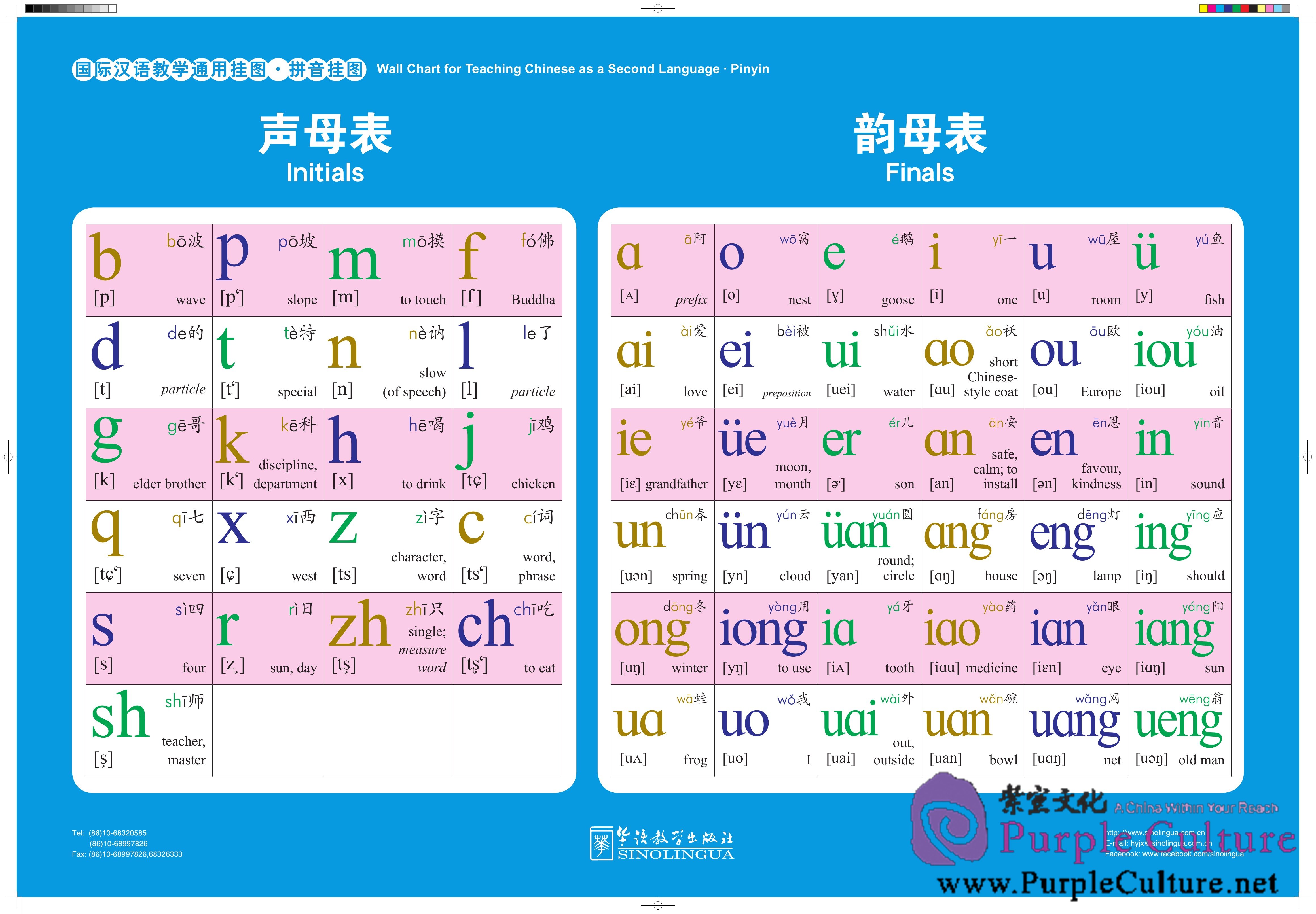
Chinese Pinyin Chart
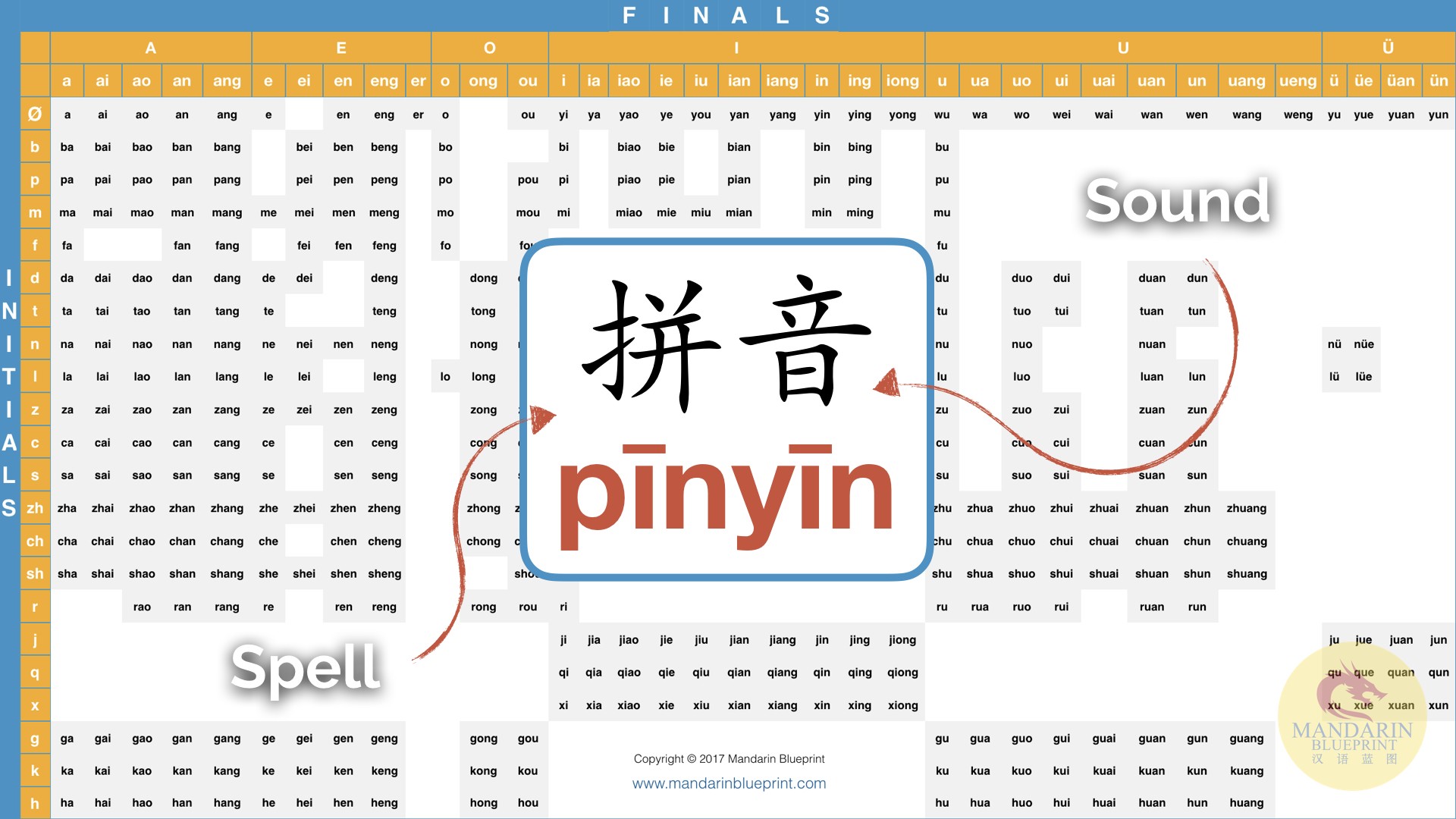
A Chinese Pinyin Primer A Deep Drive into the Mandarin Alphabet
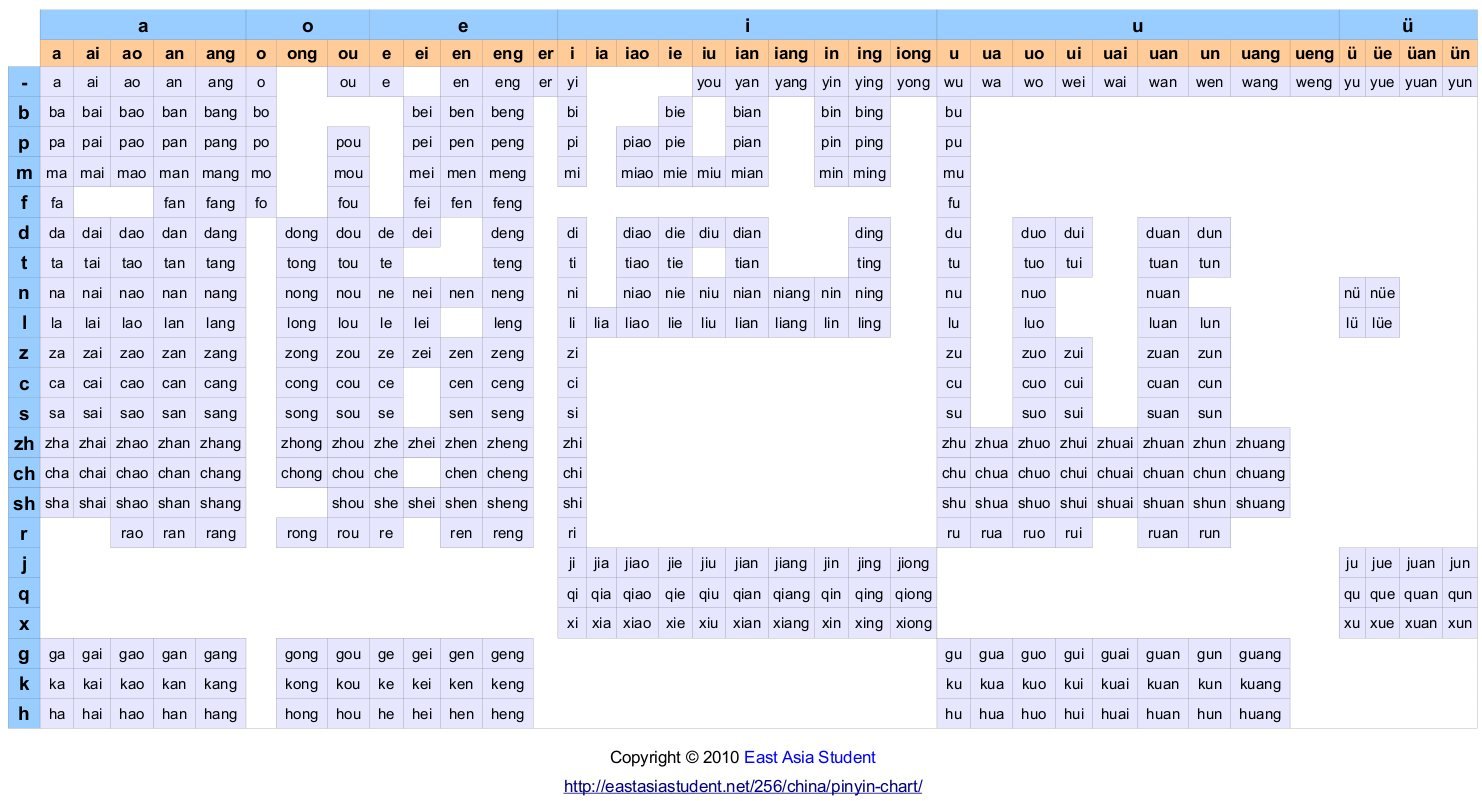
Mandarin Pinyin Chart East Asia Student
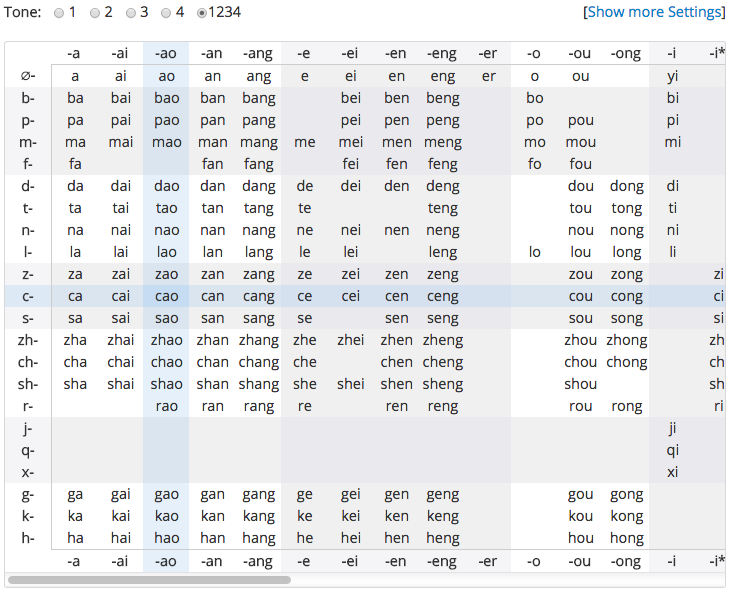
Pinyin chart Chinese Pronunciation Wiki

Yoyo Chinese Pinyin Chart

Free Pinyin chart with audio and video demos Fun with Chinese

New FREE Downloadable Pinyin Chart
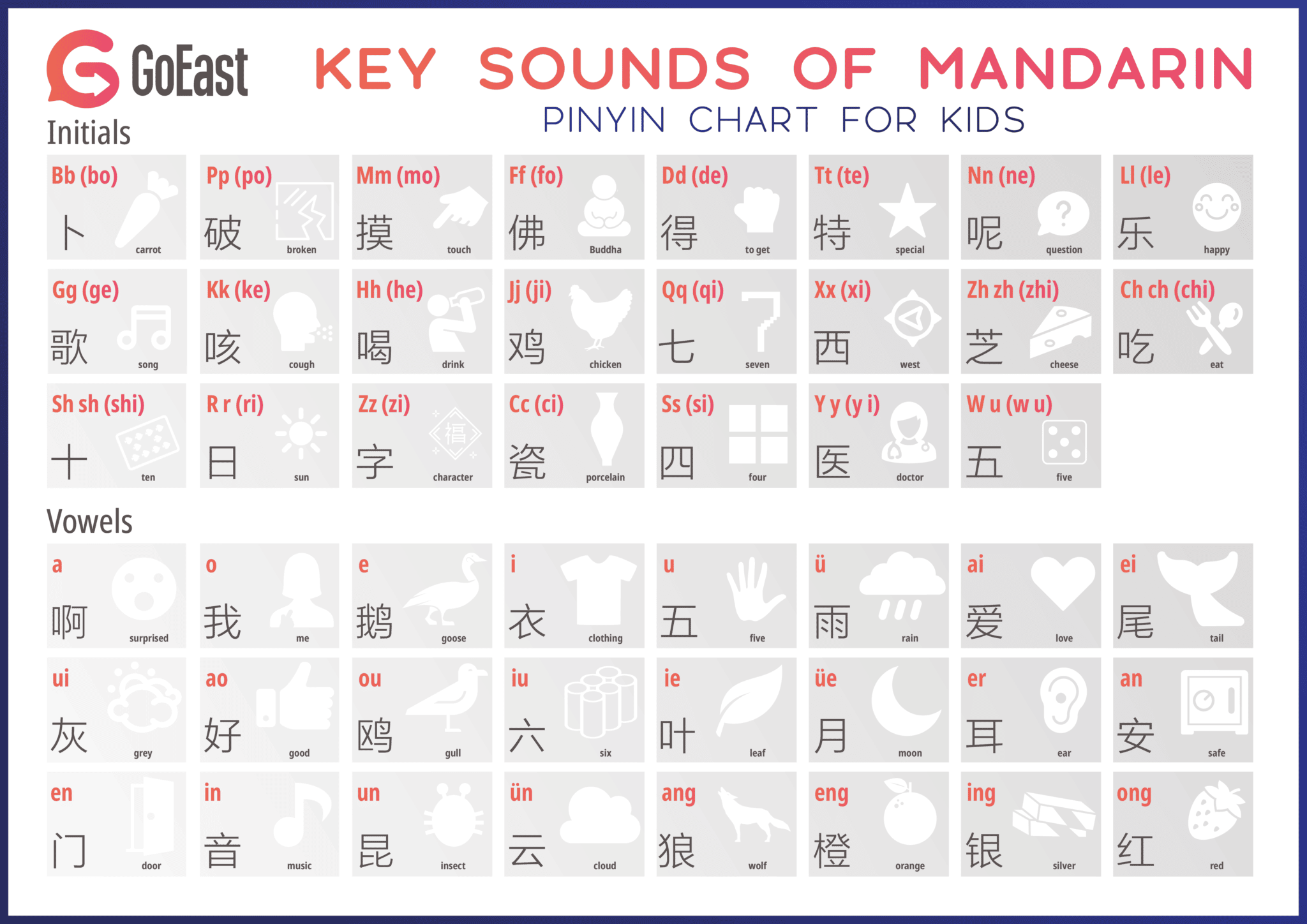
Pinyin chart for kids GoEast Mandarin

Pinyin Sounds Chart
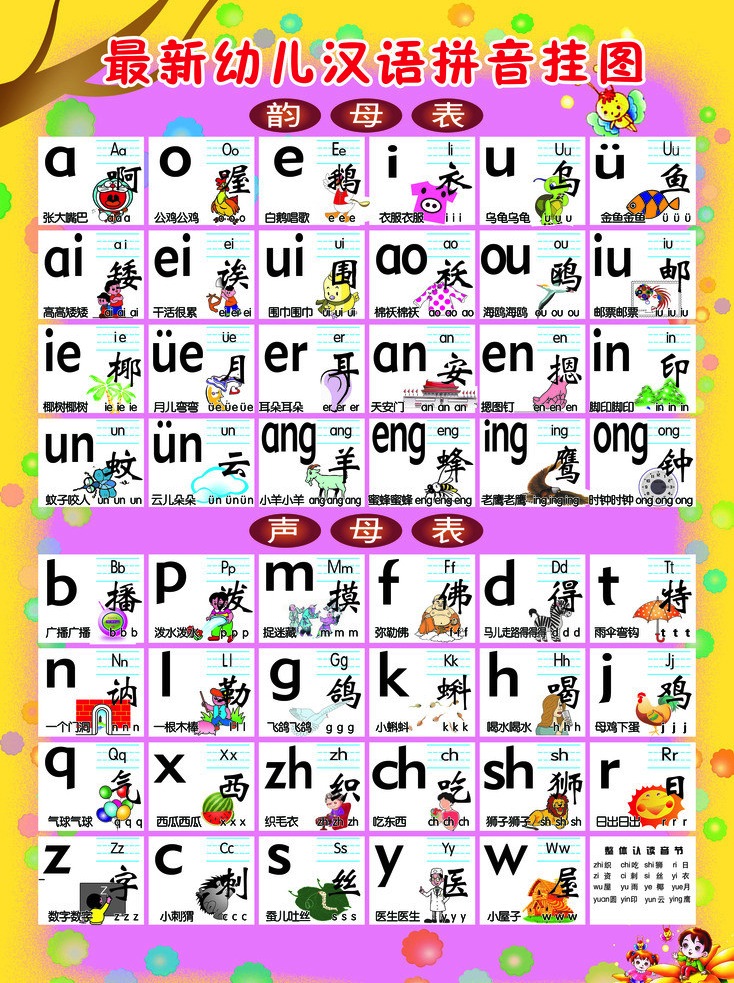
Chinese Pinyin Chart
But Do I Write It Down As Bù Kèqi Or Bú Kèqi?
Can You Tell The Difference Between English Sh And Pinyin Sh?
If There Is Only One Vowel In A Character's Pinyin Then The Answer Is Easy, The Tone Mark Just Goes On The Vowel.
In Pinyin The Tone Mark (Diacritical Mark) Only Goes On Vowels.
Related Post: