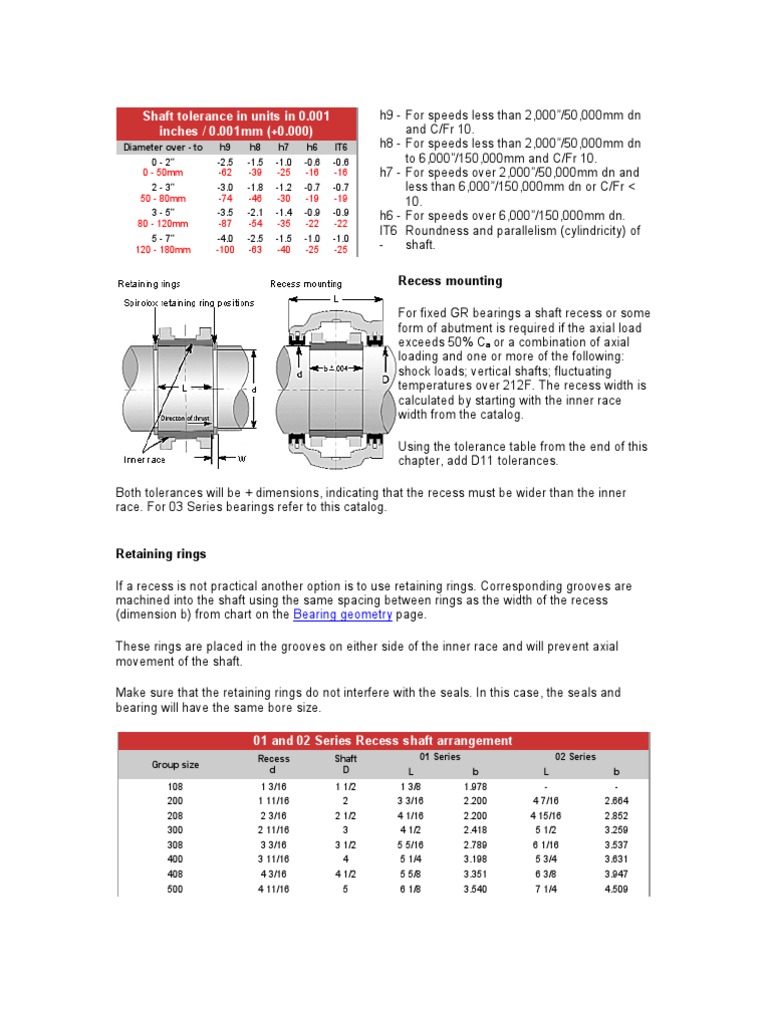
Bearing Press Fit Tolerance Chart
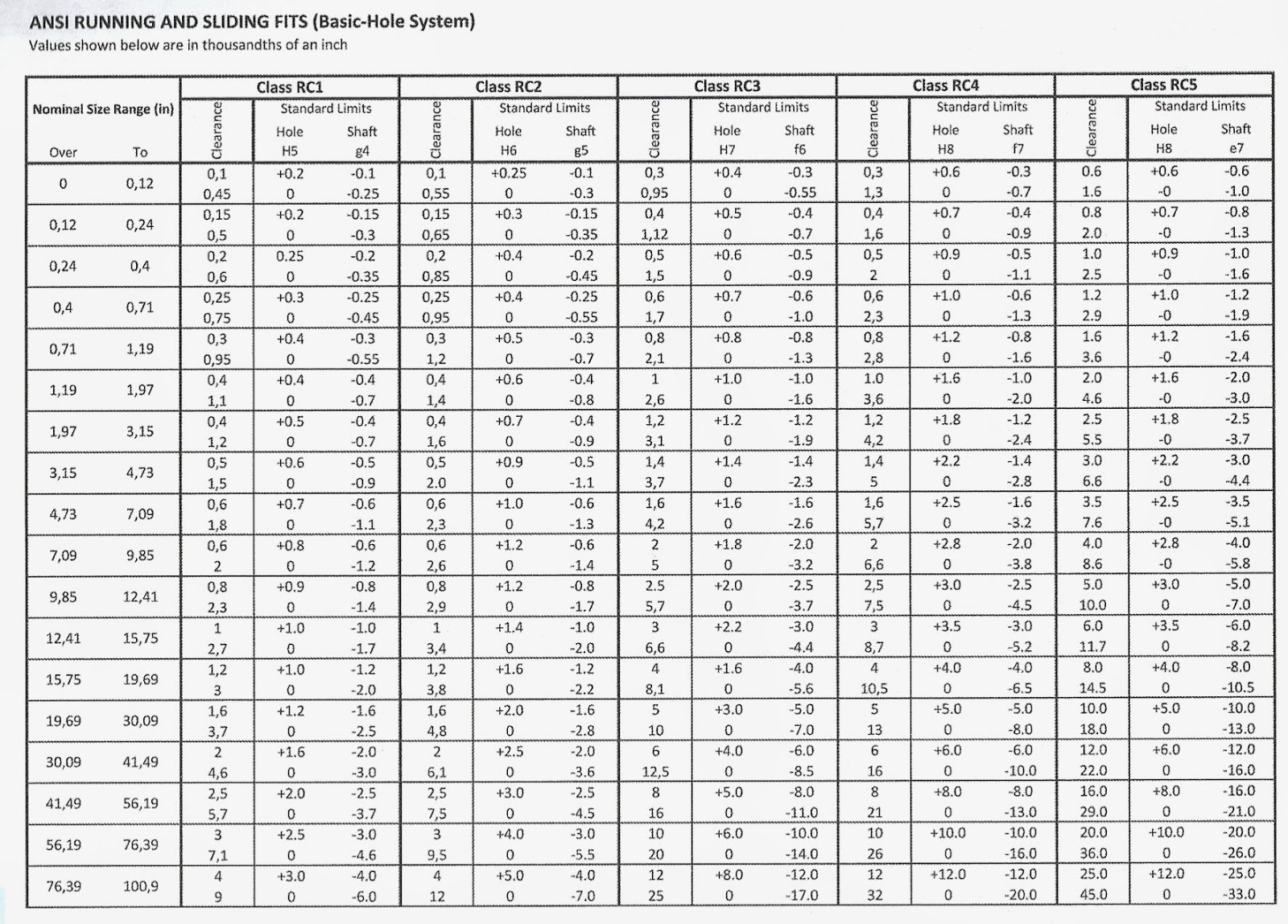
Bearing Press Fit Tolerance Chart - The following tables provide recommendations for tolerances of shaft and housing. A press fit tolerance chart is a tabular format ( sometimes graphs) illustrating nominal sizes and permissible deviation ranges for tolerances. Bearing fit is governed by the selection tolerances for bearing shaft diameters and housing bore diameters. These should enable you to determine easily the maximum and minimum. Tight fits are also called interference or press fits, because bearings in these assemblies are pressed onto shafts. The tolerance position is indicated by letters (upper case for housings, lower case for shafts). For a schematic representation of the most common rolling bearing fits. Reference hole class of tolerance range for shafts clearance fit transition fit interference fit fixing the rim of a drive gear and a boss together attaching and fixing a bearing bushing. This article discusses everything you need to learn about tolerance in press fit, factors influencing tolerances in press fits, calculations for press fit tolerances, and practical. The tables in this section provide information about bearing tolerances, seat tolerances and resultant fits (fig. The rpm adjustment factor is based on gmn ball bearing. Metric size standard dimension tolerances for bearing shaft diameters and housing bore diameters are governed by iso 286 and jis b 0401 (dimension tolerances and fits). Reference hole class of tolerance range for shafts clearance fit transition fit interference fit fixing the rim of a drive gear and a boss together attaching and fixing a bearing bushing. Complete charts for p7/h6 press fit per iso 286, including size limits for hole and shaft and clearance classification data. The tolerance position is indicated by letters (upper case for housings, lower case for shafts). This article discusses everything you need to learn about tolerance in press fit, factors influencing tolerances in press fits, calculations for press fit tolerances, and practical. Bearing fit is governed by the selection tolerances for bearing shaft diameters and housing bore diameters. These should enable you to determine easily the maximum and minimum. A press fit tolerance chart is a tabular format ( sometimes graphs) illustrating nominal sizes and permissible deviation ranges for tolerances. Tight fits are also called interference or press fits, because bearings in these assemblies are pressed onto shafts. Tight fits are also called interference or press fits, because bearings in these assemblies are pressed onto shafts. These should enable you to determine easily the maximum and minimum. Reference hole class of tolerance range for shafts clearance fit transition fit interference fit fixing the rim of a drive gear and a boss together attaching and fixing a bearing bushing.. These should enable you to determine easily the maximum and minimum. Tight fits are also called interference or press fits, because bearings in these assemblies are pressed onto shafts. This calculator helps you find the right machined shaft and housing tolerance recommendations to ensure a press fit is achieved. Complete charts for p7/h6 press fit per iso 286, including size. The following tables provide recommendations for tolerances of shaft and housing. Bearing fit is governed by the selection tolerances for bearing shaft diameters and housing bore diameters. The rpm adjustment factor is based on gmn ball bearing. The tolerance position is indicated by letters (upper case for housings, lower case for shafts). This article discusses everything you need to learn. For a schematic representation of the most common rolling bearing fits. The rpm adjustment factor is based on gmn ball bearing. Bearing fit is governed by the selection tolerances for bearing shaft diameters and housing bore diameters. The tables in this section provide information about bearing tolerances, seat tolerances and resultant fits (fig. This calculator helps you find the right. For a schematic representation of the most common rolling bearing fits. Complete charts for p7/h6 press fit per iso 286, including size limits for hole and shaft and clearance classification data. The tolerance position is indicated by letters (upper case for housings, lower case for shafts). These should enable you to determine easily the maximum and minimum. Reference hole class. For a schematic representation of the most common rolling bearing fits. Bearing fit is governed by the selection tolerances for bearing shaft diameters and housing bore diameters. A press fit tolerance chart is a tabular format ( sometimes graphs) illustrating nominal sizes and permissible deviation ranges for tolerances. This calculator helps you find the right machined shaft and housing tolerance. The rpm adjustment factor is based on gmn ball bearing. Bearing fit is governed by the selection tolerances for bearing shaft diameters and housing bore diameters. The tolerance position is indicated by letters (upper case for housings, lower case for shafts). Metric size standard dimension tolerances for bearing shaft diameters and housing bore diameters are governed by iso 286 and. Reference hole class of tolerance range for shafts clearance fit transition fit interference fit fixing the rim of a drive gear and a boss together attaching and fixing a bearing bushing. Tight fits are also called interference or press fits, because bearings in these assemblies are pressed onto shafts. A press fit tolerance chart is a tabular format ( sometimes. Tight fits are also called interference or press fits, because bearings in these assemblies are pressed onto shafts. The tolerance position is indicated by letters (upper case for housings, lower case for shafts). This calculator helps you find the right machined shaft and housing tolerance recommendations to ensure a press fit is achieved. The tables in this section provide information. The rpm adjustment factor is based on gmn ball bearing. Bearing fit is governed by the selection tolerances for bearing shaft diameters and housing bore diameters. Tight fits are also called interference or press fits, because bearings in these assemblies are pressed onto shafts. A press fit tolerance chart is a tabular format ( sometimes graphs) illustrating nominal sizes and. The following tables provide recommendations for tolerances of shaft and housing. For a schematic representation of the most common rolling bearing fits. The tolerance position is indicated by letters (upper case for housings, lower case for shafts). These should enable you to determine easily the maximum and minimum. Tight fits are also called interference or press fits, because bearings in these assemblies are pressed onto shafts. This article discusses everything you need to learn about tolerance in press fit, factors influencing tolerances in press fits, calculations for press fit tolerances, and practical. Bearing fit is governed by the selection tolerances for bearing shaft diameters and housing bore diameters. The tables in this section provide information about bearing tolerances, seat tolerances and resultant fits (fig. Reference hole class of tolerance range for shafts clearance fit transition fit interference fit fixing the rim of a drive gear and a boss together attaching and fixing a bearing bushing. Complete charts for p7/h6 press fit per iso 286, including size limits for hole and shaft and clearance classification data. The rpm adjustment factor is based on gmn ball bearing.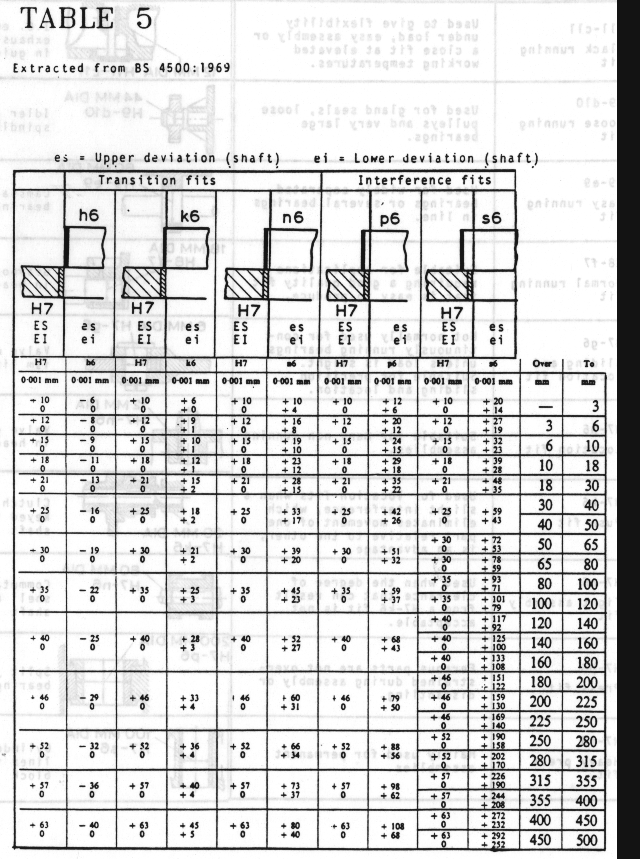
Dowel Press Fit Tolerance Chart vrogue.co
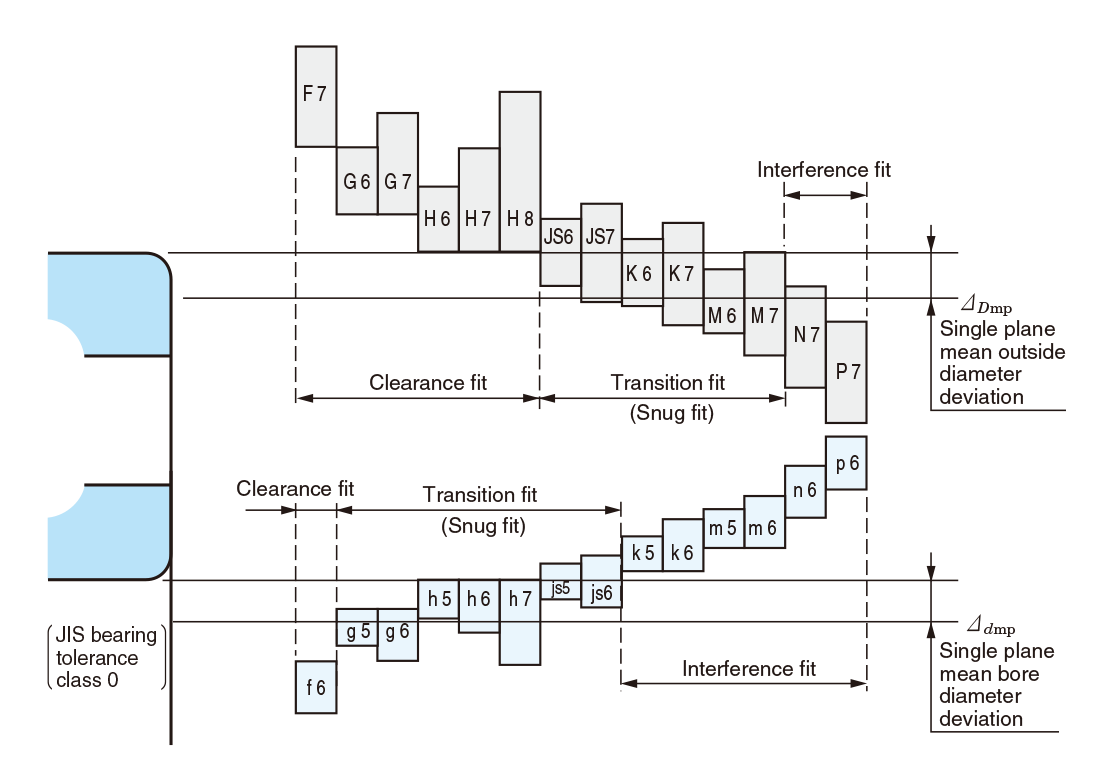
Tolerance and fit for shaft & housing Basic Bearing Knowledge Koyo Bearings /JTEKT CORPORATION
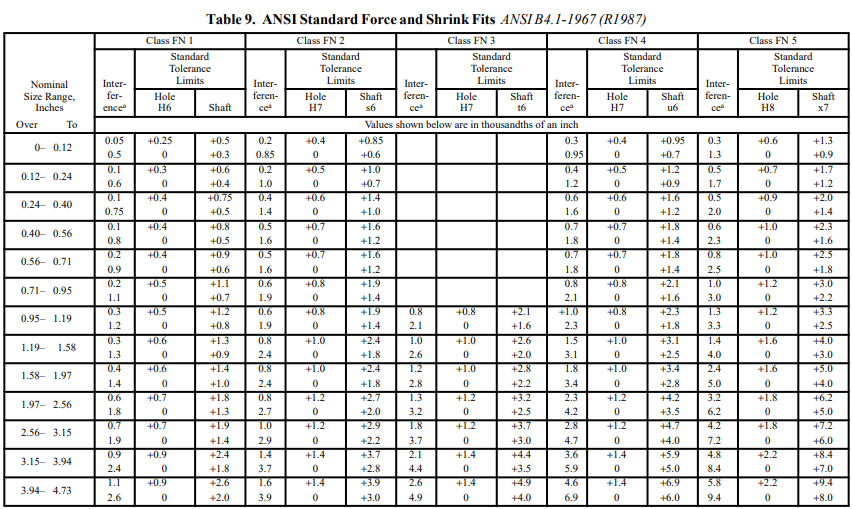
How To Use Press Fit Tolerance
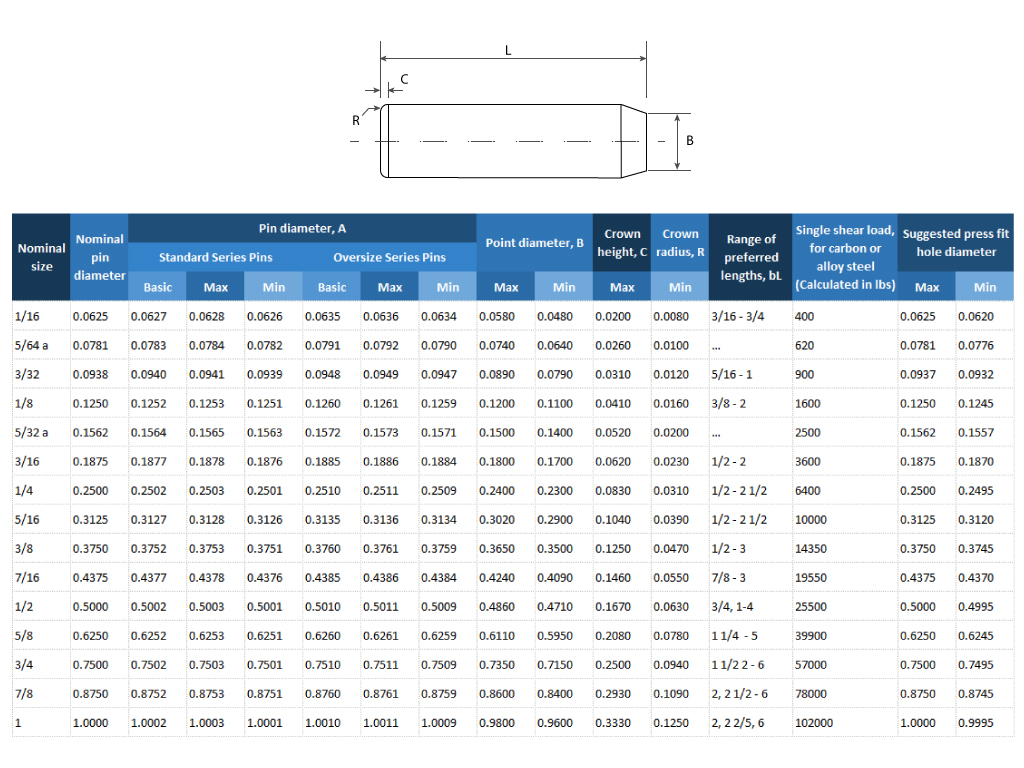
Dowel Pin Hole Tolerance Chart
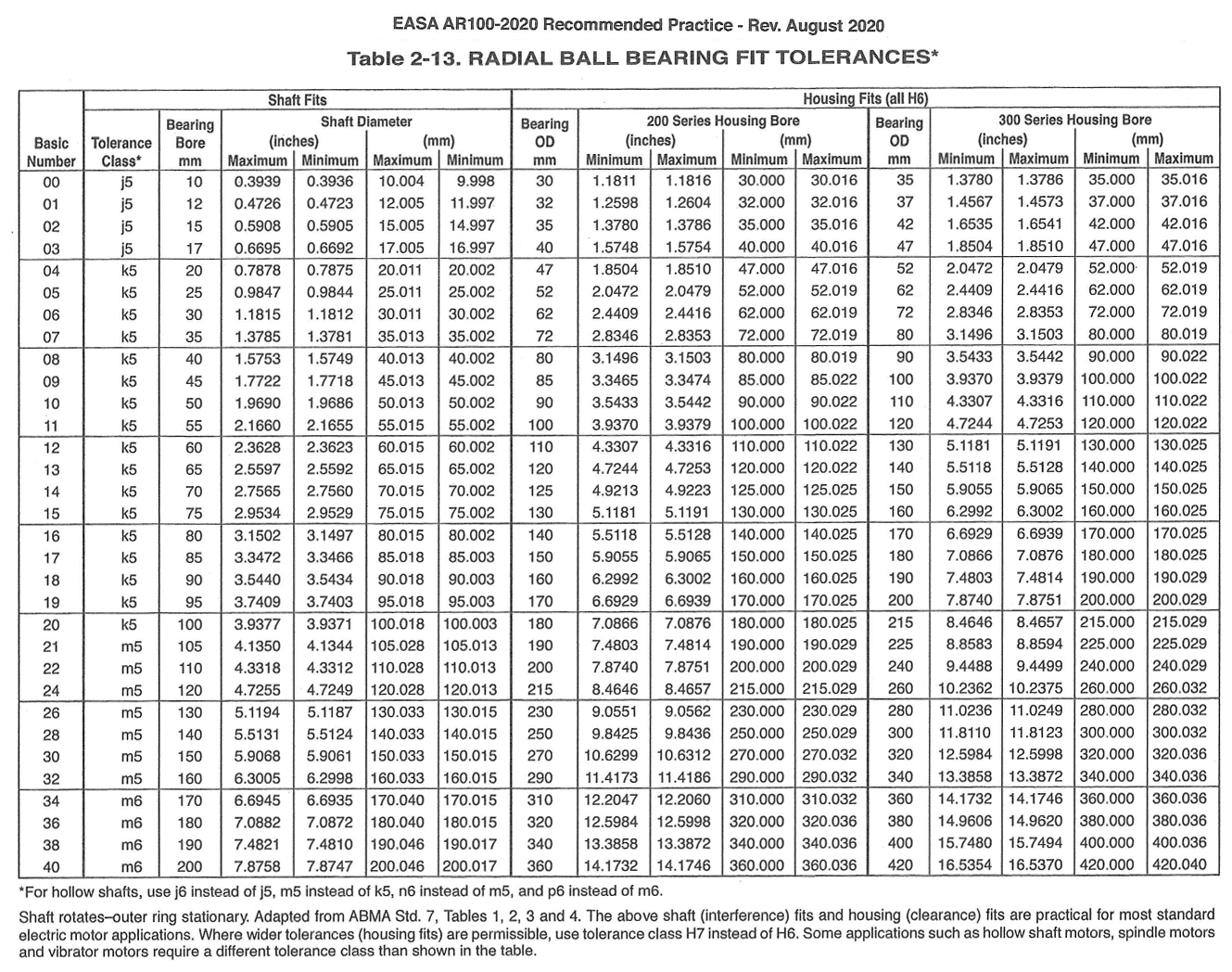
Tolerance Charts for Bearings — Electric Motor Bearings
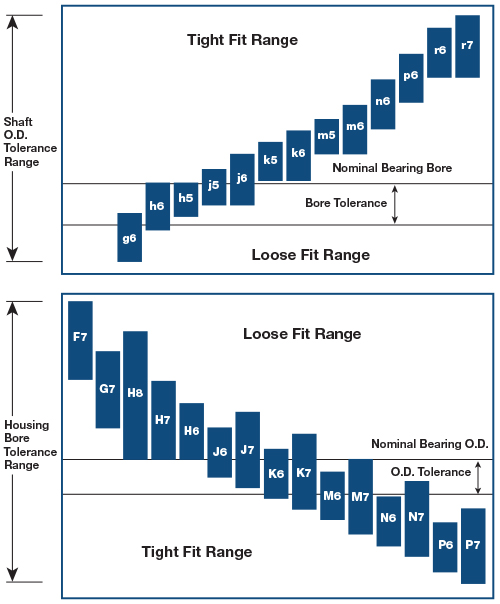
What Tolerance For Bearing Fit at Virginia Corner blog
Bearing Fit Chart Bearing (Mechanical) Engineering Tolerance
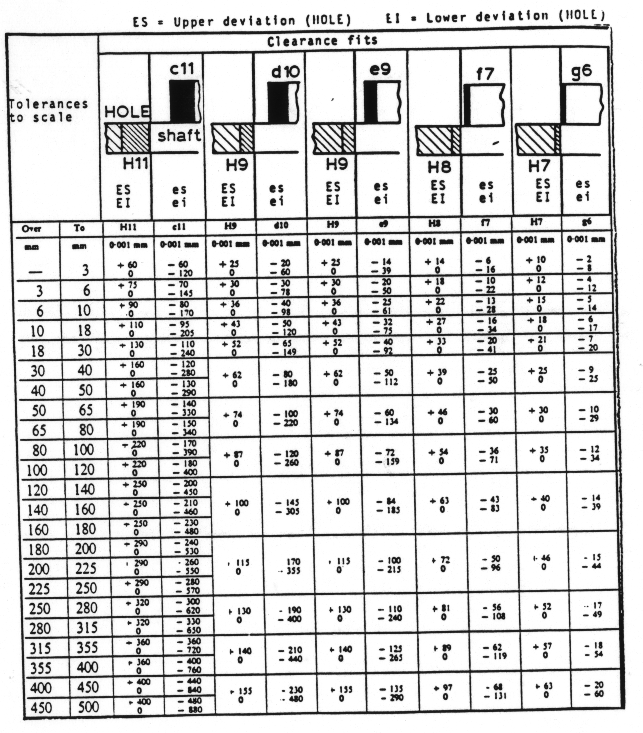
Press Fit Bearing Tolerance Chart Portal.posgradount.edu.pe
Press Fit Bearing Tolerance Chart Portal.posgradount.edu.pe

Bearing Press Fit Tolerance Chart
This Calculator Helps You Find The Right Machined Shaft And Housing Tolerance Recommendations To Ensure A Press Fit Is Achieved.
A Press Fit Tolerance Chart Is A Tabular Format ( Sometimes Graphs) Illustrating Nominal Sizes And Permissible Deviation Ranges For Tolerances.
Metric Size Standard Dimension Tolerances For Bearing Shaft Diameters And Housing Bore Diameters Are Governed By Iso 286 And Jis B 0401 (Dimension Tolerances And Fits).
Related Post: